Kashmir’s Aviation in 2025 — A Year of Turbulence, Resilience and Recovery
By: Javid Amin | 29 December 2025
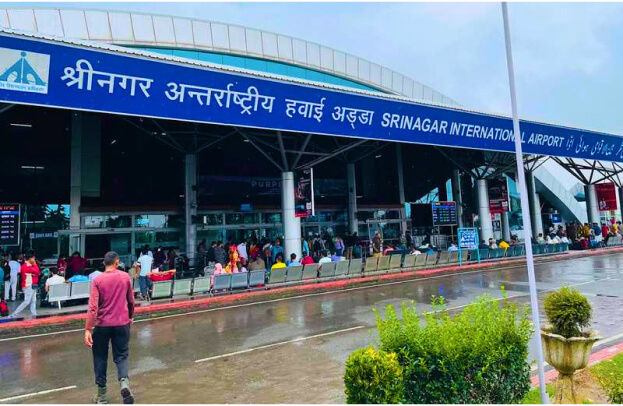
In a year shaped by soaring hopes and unexpected shocks, Kashmir’s aviation sector emerged as an emblem of resilience. Srinagar International Airport recorded 35.26 lakh passengers and 21,576 flight movements between January and December 21, 2025, despite significant operational disruptions from security incidents like the Pahalgam terror attack, weather challenges, temporary route suspensions and broader turbulence in Indian aviation.
This feature explores the traffic patterns and trends, operational disruptions, economic impact, national aviation context, and outlook for 2026, weaving together on-ground reporting, airline data and broader aviation sector developments.
2025 Traffic Snapshot: Strong Start, Sharp Dip, Measured Recovery
01. Passenger and Flight Movements
According to official Airports Authority of India (AAI) data, Srinagar International Airport handled a total of 35.26 lakh passengers and 21,576 flights from January through December 21, 2025.
Month-wise patterns reveal:
-
January–March: Consistent winter and pre-spring traffic, with nearly 347,040 passengers in January and steady growth into March.
-
April Peak: April saw the highest monthly footfall prior to disruptions, with nearly 4.7 lakh passengers, fuelled by spring tourism and improved connectivity.
-
May–June Slump: Following the April 22 Pahalgam terror attack, passenger numbers plummeted by more than 60% in May, leading to broader negative sentiment and operational impacts.
-
July–December: A gradual recovery resumed with traffic climbing past three lakh passengers in several months, reflecting restored travel confidence and resumed connectivity across major Indian cities.
The recovery is noteworthy in a context of sustained turbulence, especially given the airport’s importance for tourism, pilgrimage and regional mobility.
Operational Challenges: Security, Weather and Market Dynamics
01. Security Shocks and Their Aviation Fallout
The Pahalgam attack in April 2025, which claimed multiple lives including tourists, profoundly impacted Kashmir’s travel ecosystem.
-
After the attack, passenger volumes plunged, with airlines and hotels urging government intervention to support tourism and aviation operations.
-
Flight operations reportedly dropped by nearly 50% in the immediate aftermath.
-
Airlines responded by adding extra flights and waiving cancellation/rescheduling charges to aid stranded travellers and restore confidence.
This dramatic shift underscores the vulnerability of Kashmir’s aviation to security perceptions — even when core flight operations were maintained by airport authorities and carriers.
02. Route Suspensions and Operational Disruptions
Beyond passenger confidence, some routes from Srinagar such as Dehradun and Lucknow were temporarily suspended post-attack due to stranded resources and reduced demand.
Additionally, a 6-day suspension of flights in May 2025 in part of the wider Indian airspace — linked to military operations and heightened security alerts — directly halted traffic until services resumed with Air India’s first post-suspension flight.
03. Weather Volatility and Airport Operations
Kashmir’s geographic and climatic conditions are challenging for airlines and airports:
-
Winter fog and snowfall caused delays and cancellations, with reports of multiple affected flights on winter days in late 2025.
-
Dense fog during early 2025 mornings disrupted take-offs and landings, reflecting the region’s weather-induced operational risk profile.
These factors highlight how natural conditions compound operational complexity, especially at airports in high-altitude regions.
Economic Impact: Tourism, Business and Local Economies
The aviation sector’s performance in Kashmir — tightly linked to tourism — had measurable economic effects:
-
Tourism establishments reported dramatic declines in occupancy and revenue after the Pahalgam attack, with vacancy rates across registered hotels spiking sharply.
-
Reduced passenger inflows translated to lower demand for related services such as hospitality, transportation, and local handicrafts.
-
Travel bookings and rescheduling surged as travellers cancelled or postponed plans, creating short-term financial stress across service industries.
This intertwining of aviation and regional economics underscores how flight disruptions ripple through Kashmir’s broader socio-economic fabric.
National Aviation Headwinds and Their Kashmir Fallout
Kashmir’s aviation story cannot be dissociated from broader trends in the Indian aviation sector:
01. Sector-Wide Turbulence in 2025
The Indian aviation sector saw its own share of turbulence:
-
Nationwide flight delays and airport closures linked to geopolitical tensions affected several routes and schedules.
-
Structural stresses, including pilot shortages and regulatory shifts, led to cancellations and booking disruptions for major carriers like IndiGo in December 2025.
-
Domestic passenger growth forecasts were revised downward amid safety concerns and business travel reductions.
These national trends created an environment of heightened uncertainty, affecting airline planning, capacity utilisation and fare strategies which indirectly impacted regional airports including Srinagar.
02. Industry Consolidation and Market Shifts
The completion of the Air India–Vistara merger in late 2024 marked a strategic consolidation, creating one of India’s largest airline groups with expanded domestic and international reach.
While consolidation aims to improve operational resilience, the resulting market concentration among a few major carriers raises questions about competition, fare levels and service diversity — factors that influence airline capacity to sustain routes serving Kashmir.
A Seasoned Sector Looking Ahead: Modernisation and Future Prospects
Despite enduring challenges, trends in late 2025 point to cautious optimism:
-
Terminal and digital upgrades at Srinagar Airport are expected to enhance capacity and service quality in 2026.
-
Tourist demand indicators — such as seasonal pilgrimage flights (e.g., Amarnath Yatra) and summer sightseeing bookings — showed renewed interest following downturn months.
-
Airlines and airport authorities are collaborating on improved risk management protocols to balance security imperatives with uninterrupted operations.
These developments suggest a measured recovery trajectory, contingent on stable security conditions, weather preparedness and broader aviation sector stability.
Conclusion: Kashmir’s Skies in 2025 — A Narrative of Endurance
Kashmir’s aviation landscape in 2025 was neither linear nor predictable. It was a year that began with robust passenger growth and ended with measured recovery despite unprecedented shocks:
-
Traffic resilience demonstrated the underlying demand for travel and connectivity.
-
Operational adaptability reflected the efforts of airlines and airport authorities under pressure.
-
Socio-economic ties illustrated the critical role of aviation in local livelihoods.
-
Sector interdependence with national aviation dynamics confirmed that regional markets cannot be isolated from industry-wide trends.
Looking toward 2026, the emphasis will be on strengthening infrastructure, regulatory agility, and traveller confidence. If these elements converge, Kashmir’s aviation sector may well chart a more stable and sustainable flight path.


