Parts of Dal Lake Freeze as Kashmir Reels Under Severe Cold During Chilla-i-Kalan
By: Javid Amin | 14 January 2025
Kashmir Enters the Deep Freeze
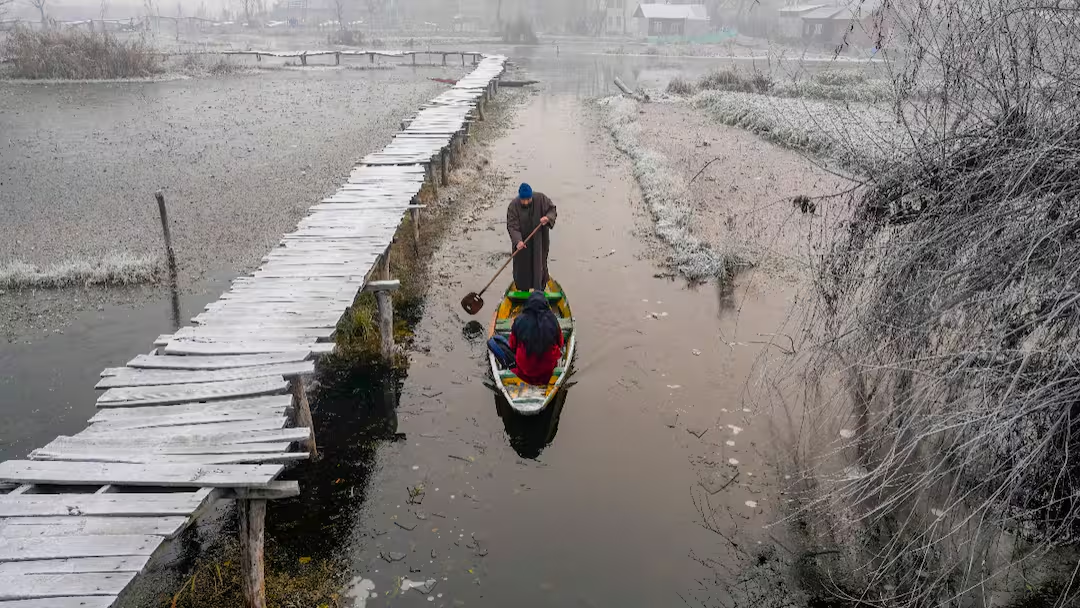
Kashmir has plunged into the harshest phase of its winter, Chilla-i-Kalan, as temperatures across the Valley dip sharply below freezing, freezing water bodies and turning daily life into a test of endurance. In Srinagar, parts of the iconic Dal Lake have frozen, offering a striking visual spectacle — and a sobering reminder of the extreme cold that defines Kashmir’s winter reality.
Residents woke up to icy mornings, frozen taps, and frost-covered streets, while tourists gathered along Dal Lake’s banks to witness shikaras nudging through sheets of ice. For locals, however, the freezing of Dal Lake is not merely picturesque — it signals the peak of winter hardship.
What Is Chilla-i-Kalan? Kashmir’s Harshest Winter Phase
Chilla-i-Kalan is a 40-day period of intense cold that traditionally begins on December 21 and lasts until January 30. It is widely regarded as the most unforgiving phase of the Kashmiri winter.
Key Features of Chilla-i-Kalan
-
Persistent sub-zero night temperatures
-
Freezing of lakes, streams, and pipelines
-
Frequent frost and snowfall
-
Increased energy demand and infrastructure stress
This period is followed by:
-
Chilla-i-Khurd (20 days): Slightly milder cold
-
Chilla-i-Bachha (10 days): Gradual winter easing
For generations, Kashmiris have structured their winter routines around these traditional climatic phases.
Current Weather Snapshot: Valley Under Sub-Zero Grip
| Location | Minimum Temperature | Conditions |
|---|---|---|
| Srinagar | –5.2°C to –6.0°C | Coldest nights of the season, Dal Lake partially frozen |
| Shopian (South Kashmir) | –7.5°C to –8.6°C | Coldest spot in the Valley |
| Pahalgam | –6.0°C | Frozen base camp, icy streams |
| Gulmarg | –3.8°C | Snow-covered ski slopes |
| Sonamarg | –2.2°C | Icy roads, frozen patches |
Meteorologists note that clear night skies and calm winds are accelerating heat loss, pushing temperatures further down despite limited fresh snowfall in some areas.
Dal Lake Freezes: Beauty Wrapped in Risk
The partial freezing of Dal Lake is one of the most visible signs of Chilla-i-Kalan’s intensity.
What’s Happening on Dal Lake
-
Ice sheets forming along the lake’s edges and inner channels
-
Shikaras navigating narrow unfrozen paths
-
Houseboats facing frozen water supply lines
While the frozen lake draws photographers and visitors, authorities have issued strict advisories warning people not to walk on the ice, citing serious risk of drowning if the ice cracks.
“The lake may appear solid, but the ice is uneven and dangerous,” officials caution.
Impact on Daily Life Across Kashmir
1. Water Supply Disruptions
Frozen pipelines and taps are among the most widespread problems during Chilla-i-Kalan.
-
Households store water indoors overnight
-
Hot water usage increases sharply
-
Repair crews struggle with frozen ground
2. Transport Challenges
-
Slippery roads increase accident risk
-
Morning fog and frost reduce visibility
-
Remote villages face isolation during icy spells
3. Power and Heating Strain
-
Heavy reliance on electric heaters and blowers
-
Increased power cuts in some areas
-
Traditional heating methods revived during outages
Traditional Coping Mechanisms: Old Wisdom, New Relevance
Despite modern heating systems, many Kashmiris still depend on age-old survival strategies:
-
Pheran: A long woollen cloak worn over layers
-
Kangri: An earthen fire pot tucked under the pheran
-
Layered bedding: Quilts, blankets, and rugs
-
Early routines: Families retire early to conserve warmth
These practices reflect centuries of adaptation to Kashmir’s severe winters.
Health Risks During Extreme Cold
Major Concerns
-
Hypothermia, especially among elderly and homeless populations
-
Frostbite in extremities
-
Respiratory illnesses aggravated by cold air
Doctors advise:
-
Limiting outdoor exposure during early mornings and nights
-
Wearing layered, insulated clothing
-
Ensuring adequate indoor ventilation when using traditional heating methods
Tourism Amid the Freeze: A Winter Paradox
Interestingly, the severe cold has not dampened tourism entirely.
Why Tourists Are Still Coming
-
Frozen Dal Lake offers rare visuals
-
Gulmarg’s snow-covered slopes attract winter sports enthusiasts
-
Snow-clad landscapes boost photography tourism
However, tourism operators warn that:
-
Extreme cold shortens outdoor activity hours
-
Transport disruptions affect travel plans
-
Safety advisories must be followed strictly
Infrastructure Under Pressure
Chilla-i-Kalan exposes structural vulnerabilities:
-
Frozen water pipes bursting
-
Overloaded power grids
-
Increased maintenance costs for public utilities
Urban planners and environmental experts note that climate variability is making winter extremes more unpredictable, demanding better preparedness and resilient infrastructure.
Climate Context: Are Winters Getting Harsher?
While Kashmir has always experienced severe winters, scientists observe:
-
Increased temperature fluctuations
-
Erratic snowfall patterns
-
Longer dry cold spells
These shifts are linked to broader climate change trends affecting Himalayan regions, altering traditional weather rhythms.
Safety Advisories Issued
Authorities have urged residents and tourists to:
-
Avoid walking on frozen lakes and ponds
-
Drive cautiously on icy roads
-
Protect exposed water pipelines
-
Check on elderly neighbors
A Frozen Wonder, A Stark Reality
The freezing of Dal Lake during Chilla-i-Kalan is both mesmerising and menacing — a postcard image masking the daily struggles of life in sub-zero Kashmir. For locals, it is a reminder of resilience shaped by centuries of adaptation; for visitors, a glimpse into the Valley’s raw winter power.
As Chilla-i-Kalan continues, Kashmir braces for more icy nights — balancing beauty with survival in one of the subcontinent’s harshest winter landscapes.