Second Day of Curfew-Like Restrictions in J&K
By: Javid Amin | 03 March 2026
Omar Abdullah Questions Legality of US–Israel Strike on Khamenei
For the second consecutive day, Jammu and Kashmir remained under curfew-like restrictions as protests continued over the reported killing of Ayatollah Ali Khamenei in a joint US–Israel strike.
Security forces maintained a heavy presence across major towns, educational institutions remained closed, and political reactions intensified — led by Chief Minister Omar Abdullah, who publicly questioned the legality of the operation.
The Valley is tense, grieving, and politically charged — caught between global geopolitics and local sensitivities.
Omar Abdullah’s Response: Condemnation with a Call for Calm
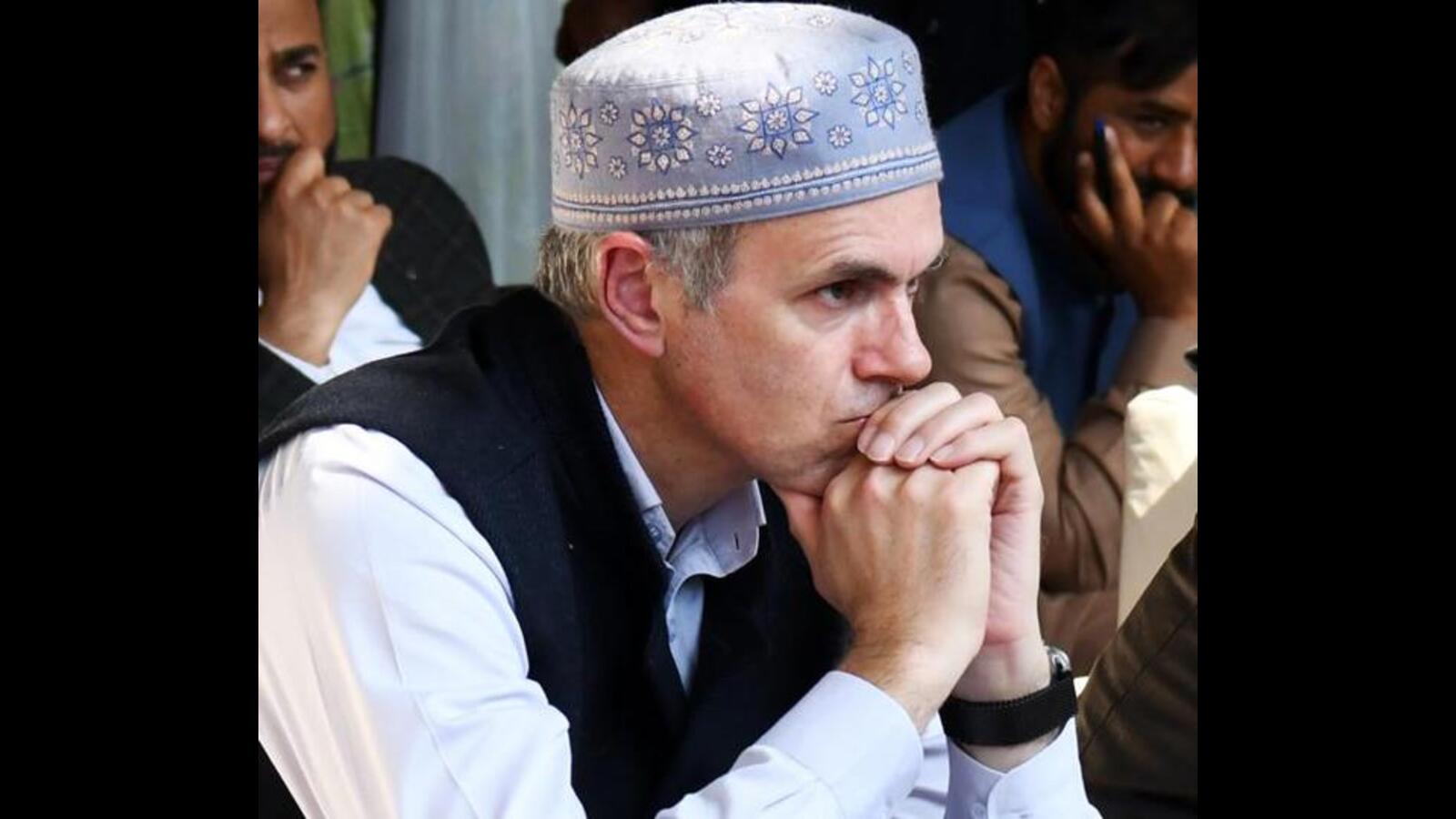
“What law gave America and Israel the right?”
Speaking amid mounting unrest, Omar Abdullah strongly condemned the assassination.
He said the people of Iran should decide their own leadership “without external interference,” and asked pointedly:
“What law gave America and Israel the right to do this?”
His remarks placed him among the strongest voices within mainstream Indian politics questioning the legitimacy of the strike.
Appeal for Restraint
At the same time, Abdullah urged Kashmiris to channel their grief and anger through peaceful and lawful means.
He warned:
-
Against violence or vandalism
-
Against confrontation with security forces
-
Against escalation that could worsen the local situation
He also reportedly coordinated with the Union Ministry of External Affairs to monitor the safety of residents from Jammu & Kashmir currently in Iran.
This balancing act — condemning the strike while urging calm — reflects the administration’s tightrope walk between public sentiment and law-and-order priorities.
Ground Situation: Second Day of Restrictions
Authorities extended preventive measures as protests persisted.
Security Enforcement
Curfew-like restrictions were enforced in:
-
Srinagar
-
Sopore
-
Several downtown and semi-urban pockets across the Valley
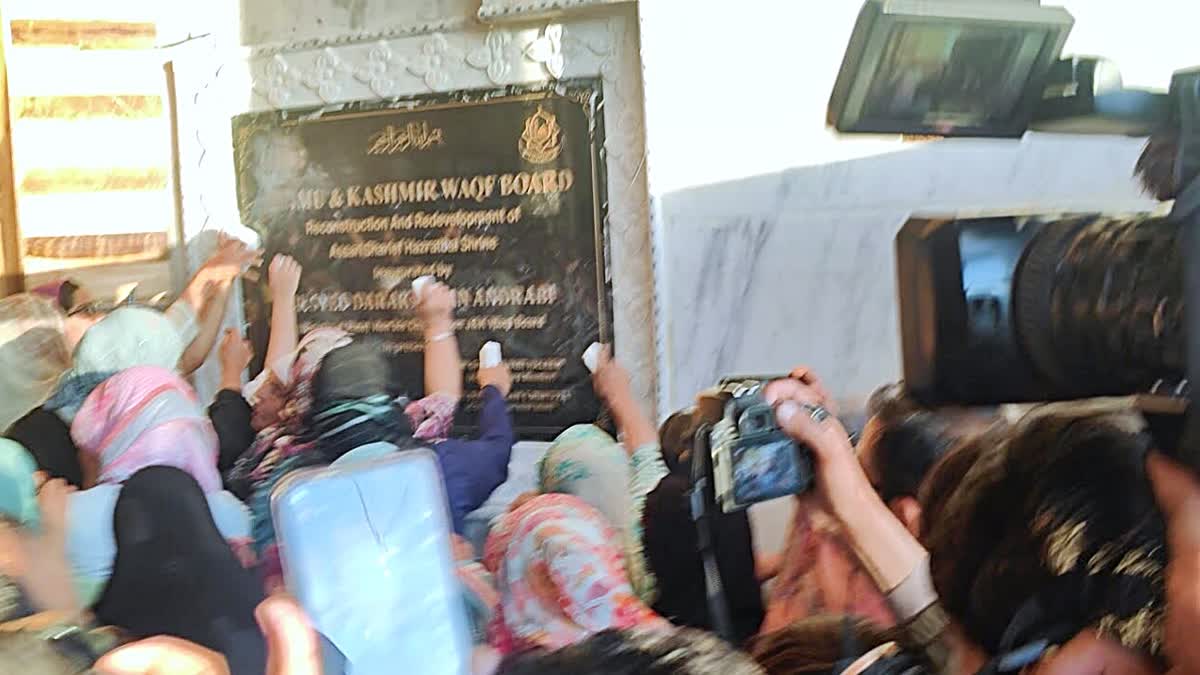
Barricades, checkpoints, and concertina wires remained visible in sensitive areas, particularly near Lal Chowk and major religious sites.
Schools Closed Until March 7
The administration extended the closure of schools and colleges across the Valley until March 7, citing safety concerns.
Parents expressed concern about academic disruptions, but many supported the decision given the prevailing tensions.
Public Sentiment: Emotional in Shia-Majority Areas
Protests have been particularly intense in Shia-majority pockets of Kashmir and in Kargil, part of Ladakh.
For many in these areas, Khamenei was not just a political figure but a religious authority with ideological significance.
Demonstrations featured:
-
Black flags
-
Mourning processions
-
Slogans condemning US and Israeli actions
While largely peaceful, the emotional temperature remains high.
Other Political Reactions: Sharper Critiques Emerge
While Omar Abdullah adopted a tone combining condemnation with restraint, other leaders took more confrontational positions.
Mehbooba Mufti: Silence and Censorship
Mehbooba Mufti, president of the People’s Democratic Party (PDP), criticized both the assassination and what she described as India’s silence.
She also accused Meta of removing Kashmiri news outlets’ social media handles, framing it as censorship during a critical moment.
Her stance linked two themes:
-
Geopolitical injustice
-
Digital suppression
Sonia Gandhi: A Historical Reminder
Senior Congress leader Sonia Gandhi invoked Iran’s support for India at the UN Human Rights Commission in 1994.
By recalling Tehran’s backing on Kashmir-related matters, she contrasted past diplomatic solidarity with what she described as Delhi’s muted stance now.
Her intervention added a historical dimension to the political debate.
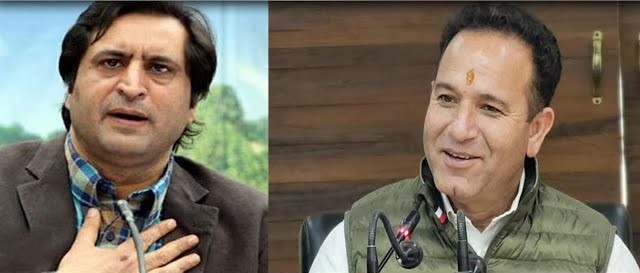
Sajad Lone: Media Restoration Demand
Sajad Lone, head of the People’s Conference, demanded restoration of Kashmiri media handles that were allegedly taken down.
He criticized what he called a “muted response” from the government and framed the issue as one of free expression and political dignity.
Contrast in Tone Across Leadership
The crisis has exposed varying political approaches:
Omar Abdullah
-
Focused on legality and international norms
-
Balanced condemnation with appeals for restraint
-
Emphasized administrative stability
Mehbooba Mufti & Sajad Lone
-
Adopted sharper, more confrontational rhetoric
-
Framed silence as complicity
-
Highlighted censorship concerns
Sonia Gandhi
-
Positioned criticism within historical diplomatic context
Religious Voices
-
Emphasized emotional solidarity with Iran
-
Highlighted Khamenei’s support for Palestine
-
Framed the strike as ideological aggression
This diversity of response reflects Kashmir’s complex political ecosystem — where international developments often intersect with local narratives of identity and justice.
Why Global Events Reverberate in Kashmir
Kashmir has historically reacted strongly to geopolitical developments involving Muslim-majority nations.
Several factors explain this pattern:
-
Religious and cultural affinity
-
Historical political sensitivity
-
A deeply engaged civil society
-
The region’s own contested political status
When a global event carries religious symbolism — as Khamenei’s assassination does — its resonance multiplies.
Administrative Strategy: Containment and Communication
For the J&K administration, priorities appear clear:
-
Prevent street violence
-
Avoid prolonged shutdowns
-
Maintain communication with New Delhi
-
Monitor digital mobilization
The extension of curfew-like measures into a second day indicates official concern that protests could escalate if restrictions are relaxed too quickly.
Broader Implications
This episode underscores several realities:
-
International crises can rapidly reshape domestic politics in sensitive regions.
-
Political leaders face pressure to articulate positions that reflect public emotion without triggering instability.
-
The boundary between political expression and public order remains contested.
The developments also highlight how Kashmir’s internal political discourse often mirrors global debates — from legality of military intervention to digital censorship and diplomatic silence.
Conclusion: A Valley Balancing Grief and Governance
As Jammu & Kashmir enters its second day of curfew-like restrictions, the situation remains tense but controlled.
Omar Abdullah’s condemnation of the US–Israel strike — coupled with his call for restraint — reflects an attempt to acknowledge public anger while preserving stability.
Meanwhile, sharper critiques from other leaders demonstrate that the political conversation is far from settled.
The assassination of Ayatollah Khamenei has once again shown that in Kashmir, global geopolitics is never distant. It echoes through streets, mosques, legislatures — and now, through curfew barricades across the Valley.