US–Iran War Week 3: Diego Garcia Strike, Energy Crisis, Global Fallout
By: Javid Amin | 21 March 2026
Week 3: The War Crosses Into Strategic Uncertainty
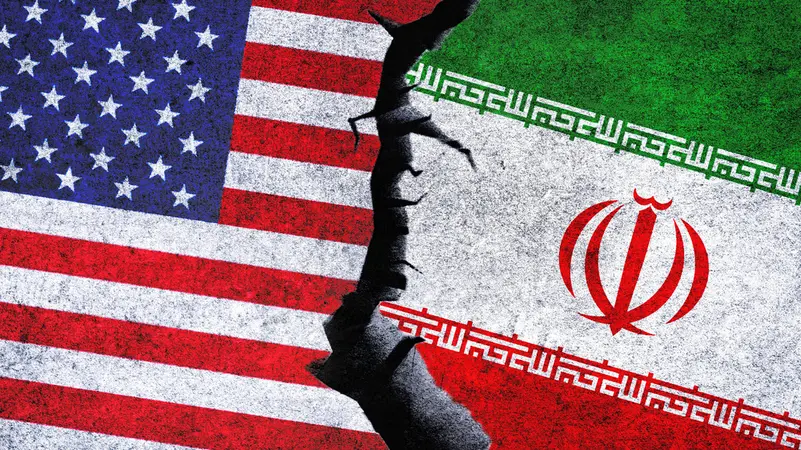
The war between the United States and Iran has entered its third week with a significant and dangerous shift: range, scale, and geopolitical consequences are expanding simultaneously.
The reported strike on Diego Garcia—a remote but critical US military base in the Indian Ocean—marks a turning point. Whether achieved through advanced missile capability, proxy launch platforms, or hybrid aerospace systems, the message is clear:
Iran can now threaten assets far beyond the immediate Middle East theatre.
This fundamentally alters deterrence dynamics.
Battlefield Reality: From Containment to Expansion
Iran’s Long-Range Signaling
By targeting Diego Garcia, Iran has:
- Demonstrated extended strike capability (4,000+ km range implication)
- Challenged assumptions about its missile limitations
- Sent a deterrent signal to US global basing networks
Even if the material damage is limited, the strategic signaling effect is enormous.
US–Israel Campaign: Maximum Pressure Doctrine
Under the ongoing campaign, US and Israel forces continue to:
- Strike nuclear enrichment facilities
- Target missile production and storage sites
- Hit IRGC-linked infrastructure
The objective remains unchanged:
Systematically degrade Iran’s ability to wage sustained war
However, the intensity and frequency of strikes suggest the campaign is moving from deterrence to coercion.
Civilian Impact Expanding
Airstrikes in cities like Tehran and Bushehr indicate:
- Increased risk of civilian casualties
- Damage to urban infrastructure
- Growing humanitarian concern
This introduces a critical variable:
Legitimacy pressure on the US and its allies
Strategic Balance: A War Without Symmetry
United States: Superior Power, Growing Constraints
Strengths:
- Air and naval dominance
- Precision strike capability
- Global force projection
Weaknesses:
- Overextension risk
- Limited allied participation (especially within NATO)
- Rising domestic and international criticism
The US faces a paradox:
It can escalate militarily—but cannot easily control the consequences.
Iran: Inferior Power, Expanding Leverage
Strengths:
- Asymmetric warfare doctrine
- Missile and drone networks
- Proxy mobilization capability
Strategic Play:
- Expand conflict geography
- Target economic systems
- Frame narrative as resistance
The Diego Garcia strike fits this pattern:
Shift the battlefield from regional to global perception
The Real Crisis: Energy, Trade, and Systemic Shock
Strait of Hormuz Under Pressure
The Strait of Hormuz remains the most critical chokepoint.
Disruptions include:
- Reduced tanker flows
- Rising maritime insurance costs
- Naval tension and rerouting
Even without full closure, partial disruption is enough to destabilize markets.
Oil and Gas Shockwaves
Current trajectory:
- Oil prices rising sharply
- LNG supply disruptions (especially from Gulf exporters)
- Volatility across energy markets
The impact is cascading:
- Transport costs rise
- Industrial costs increase
- Inflation accelerates globally
Aviation and Trade Disruption
Airlines and shipping firms are:
- Rerouting around conflict zones
- Facing higher fuel and insurance costs
- Passing costs to consumers
This creates a secondary economic shock layer.
Global Power Response: Fragmentation, Not Unity
United States: Increasingly Isolated
The United States faces:
- Hesitation from traditional allies
- Limited NATO military backing
- Growing diplomatic criticism
This reflects a broader trend:
Coalition fatigue in prolonged conflicts
China: Strategic Opportunism
China is:
- Calling for restraint publicly
- Securing alternative energy supplies
- Expanding influence quietly
Beijing benefits from:
- US strategic distraction
- Opportunities in energy diplomacy
Russia: Leveraging Instability
Russia is:
- Increasing energy exports
- Strengthening ties with Iran
- Positioning itself against Western influence
The crisis enhances Russia’s geopolitical leverage and economic gains.
Europe: Strategic Vulnerability
The European Union faces:
- Energy insecurity
- Inflationary pressure
- Limited strategic autonomy
Europe is caught between:
- Dependence on US security
- Exposure to Middle Eastern instability
Escalation Risks: What Could Go Wrong Next
1. Globalization of the Battlefield
If further long-range strikes occur:
- US bases worldwide could become targets
- Conflict perception becomes global
2. Proxy War Explosion
Groups aligned with Iran may intensify operations in:
- Iraq
- Syria
- Lebanon
This would stretch US resources across multiple fronts.
3. Full Energy Crisis
A complete disruption of the Strait of Hormuz could:
- Push oil beyond $150/barrel
- Trigger global recession
4. Diplomatic Breakdown
If negotiations fail:
- Great-power rivalry intensifies
- Multilateral institutions weaken further
Timeline Interpretation: What the First 3 Weeks Tell Us
Week 1
- Shock phase: rapid escalation and initial strikes
Week 2
- Expansion phase: proxies, civilian impact, global reaction
Week 3
- Transformation phase: long-range capability, global economic disruption
Strategic Conclusion: The War Is Changing Character
This conflict is no longer:
- A limited strike campaign
- A regional confrontation
It is becoming:
A multi-domain, multi-regional systemic crisis
Final Assessment: Where This Is Heading
Three key trends define the trajectory:
1. Expansion Without Control
Each side escalates—but cannot fully manage outcomes.
2. Economic Warfare Dominance
Energy and trade disruption now matter as much as military success.
3. Fragmented Global Response
Major powers are acting independently, not collectively.
Bottom Line
- United States holds military superiority
- Iran holds escalation leverage through disruption
- The world faces economic and geopolitical instability
And the most critical insight:
The longer the war continues, the more it shifts from a military contest to a global systemic crisis.