“I Might Go”: Trump Floats Pakistan Visit as Iran Deal Hopes Resurface
By: Javid Amin | 17 April 2026
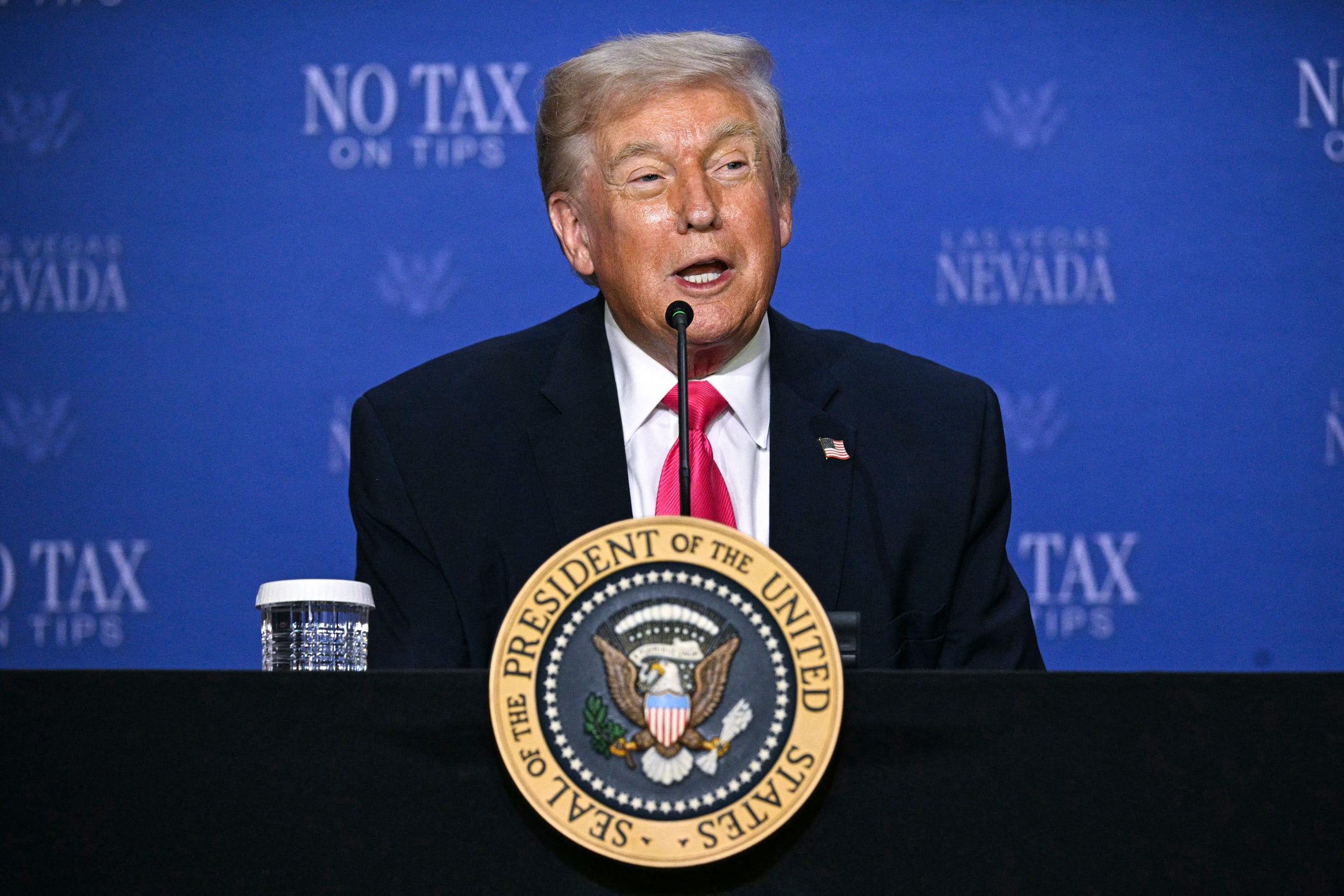
In a significant diplomatic signal, Donald Trump has hinted at a possible visit to Pakistan, stating “I might go,” as efforts intensify to finalize a potential peace deal involving Iran.
The remarks come at a delicate moment, weeks after the February 28, 2026 U.S.–Israel strikes on Iran, which triggered a fresh cycle of instability across West Asia. Trump’s statement has injected cautious optimism into an otherwise volatile geopolitical landscape.
From Military Escalation to Diplomatic Opening
What Triggered the Crisis?
- Feb 28, 2026: Coordinated strikes by the U.S. and Israel on Iranian-linked targets
- Immediate fallout: Heightened regional tensions, military alerts, and diplomatic breakdown
What Changed?
- Backchannel diplomacy reopened
- Islamabad emerged as a neutral venue
- Trump signaled willingness for direct involvement at the highest level
The shift suggests a familiar pattern: escalation followed by urgent diplomacy.
Pakistan’s Rising Role: From Bystander to Broker
Why Pakistan?
- Maintains ties with Washington, Tehran, and Gulf capitals
- Strategic geography linking South Asia, Central Asia, and West Asia
- Military and intelligence channels enable quiet diplomacy
Leadership under Shehbaz Sharif has actively pursued regional alignment, including visits to Saudi Arabia, Qatar, and Turkey—signaling coordinated diplomatic outreach.
Pakistan vs Turkey vs Qatar: The New Mediation Triangle
The Middle East is no longer dominated by a single mediator. Instead, a multipolar mediation ecosystem is emerging.
Pakistan — Crisis-Driven Mediator
- Recent entry via US–Iran tensions (2026)
- Strength: geographic leverage, military backchannels
- Weakness: economic fragility, reactive diplomacy
Turkey — Strategic Power Broker
- Long-standing involvement in Syria, Afghanistan, Gaza
- Strength: NATO leverage, regional influence
- Weakness: perceived political bias
Qatar — Institutionalized Neutral Actor
- Hosted Taliban–US talks, Israel–Hamas ceasefires
- Strength: neutrality, financial capacity
- Weakness: dependence on external security guarantees
Trump’s possible visit could elevate Pakistan into this top tier of mediators, at least symbolically.
Ground Reality Check: Optimism vs Uncertainty
While Trump’s remarks have raised expectations, the الواقع (ground reality) remains complex.
Positive Signals
- Diplomatic channels are active
- Multiple stakeholders open to talks
- Pakistan accepted as a venue
Key Uncertainties
- No official confirmation of Trump’s visit
- No finalized negotiation framework
- Core disputes—especially nuclear enrichment—remain unresolved
Analysts caution that symbolic gestures ≠ substantive agreements.
Strategic Motives: Why This Visit Matters
For the United States
- فرصة (opportunity) to de-escalate without appearing weak
- Reinforce leadership in global diplomacy
For Iran
- Avoid further economic and military pressure
- Maintain sovereignty over nuclear policy
For Pakistan
- Enhance global credibility
- Attract strategic relevance amid economic challenges
Regional & Global Implications
Energy Security
Any deal could stabilize the Strait of Hormuz, through which a significant portion of global النفط flows.
Conflict Containment
A breakthrough may:
- Reduce Israel–Iran confrontation risks
- Prevent wider regional الحرب (conflict)
Diplomatic Realignment
- Strengthen Pakistan’s global standing
- Signal a shift toward multi-country mediation frameworks
Timeline Snapshot
| Date | Event | Impact |
|---|---|---|
| Feb 28, 2026 | US–Israel strikes on Iran | Regional escalation |
| April 2026 | Backchannel diplomacy begins | De-escalation signals |
| Mid-April 2026 | Trump hints at Pakistan visit | Diplomatic optimism |
| Pending | संभावित talks in Islamabad | Potential peace breakthrough |
Big Picture: Diplomacy Under Pressure
Trump’s “I might go” is more than a casual remark—it reflects a broader strategic doctrine:
فاوض تحت الضغط (Negotiation under pressure)
- Military escalation creates urgency
- Diplomacy offers an exit
- Mediators like Pakistan become critical
But history shows:
Peace deals in such environments are fragile, reversible, and politically costly.
Conclusion: A Defining Moment for Islamabad?
Trump’s hinted visit could mark a historic diplomatic milestone—if it materializes.
For Pakistan, this is a rare opportunity to:
- Transition from reactive mediator to global diplomatic hub
- Position itself alongside Qatar and Turkey
For the wider region, the stakes are even higher:
A सफल (successful) deal could cool one of the world’s most dangerous flashpoints—failure could deepen it.