Fragile Calm: Israel–Lebanon Ceasefire Begins in a Region on Edge
By: Javid Amin | 16 April 2026
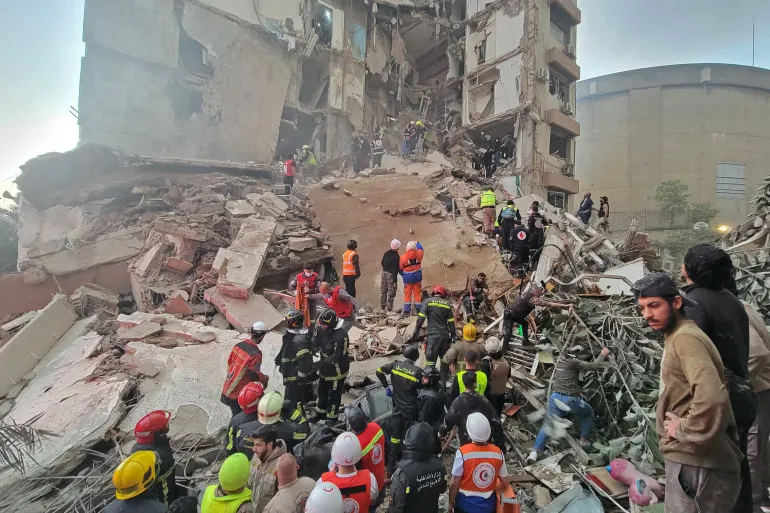
A U.S.-brokered 10-day ceasefire between Israel and Lebanon has come into effect from April 16, 2026, offering a brief pause in hostilities that have gripped southern Lebanon in recent weeks.
Announced by Donald Trump, the truce is being closely watched—not just for its local impact, but for what it signals amid the wider and still-volatile confrontation involving Iran and the United States.
Ceasefire at a Glance: Terms, Timeline, and Key Players
Core Details
- Start: April 16, 2026 (midnight local time)
- Duration: 10 days (until April 26)
- Broker: United States
Key Stakeholders
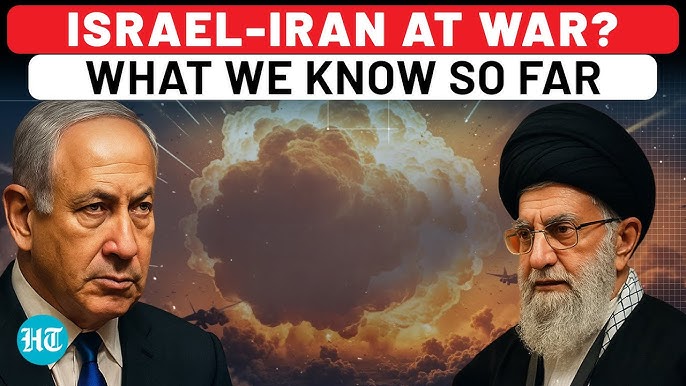
- Benjamin Netanyahu
- Joseph Aoun
- Hezbollah (indirect participant)
While Hezbollah is not a formal signatory, its compliance is central to the truce’s survival.
Immediate Impact: Relief on the Ground, Hope in Diplomacy
Civilian Movement Resumes
Families displaced by fighting have begun returning to areas like Sidon and southern Lebanon, marking the first signs of relief after weeks of tension.
Historic Diplomatic Opening
The White House has announced potential talks involving Netanyahu and Aoun—an unprecedented development that could reshape Israel-Lebanon relations if realized.
Core Commitments
- Lebanon to curb Hezbollah’s armed activity
- Initiation of border demarcation talks
- Temporary halt to Israeli strikes
Early Warning Signs: Violations and Deep Mistrust
Despite the ceasefire, early cracks are already visible.
- Lebanese Army reports Israeli violations post-truce
- Israel maintains it will not withdraw from southern Lebanon
- Hezbollah signals conditional compliance only if not targeted
This underscores a familiar pattern in the region: agreements reached quickly—but trust built slowly, if at all.
Bigger Picture: How the U.S.–Iran Crisis Shapes This Ceasefire
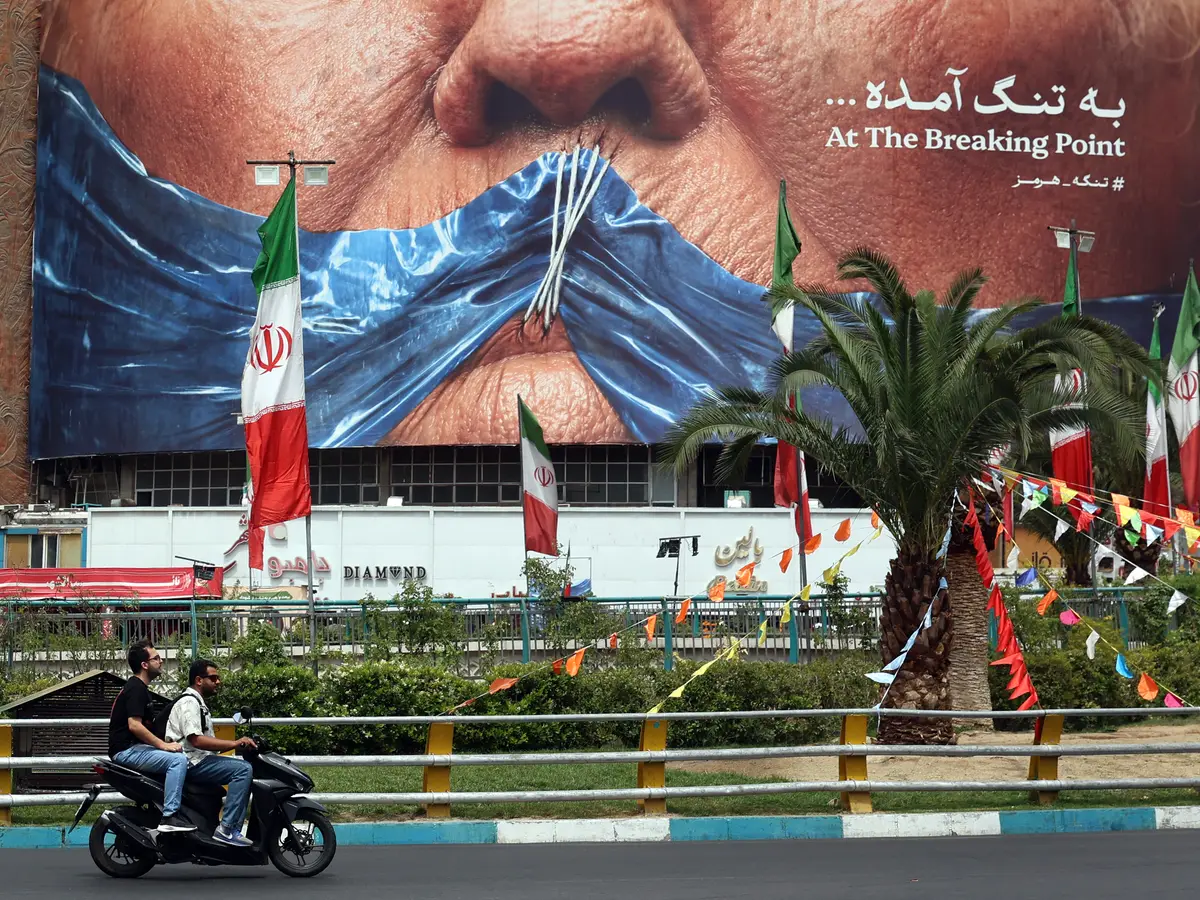
The ceasefire cannot be viewed in isolation. It is unfolding against the backdrop of the ongoing confrontation between the United States and Iran, centered around the Strait of Hormuz.
Current Ground Situation (U.S.–Iran)
- U.S. naval blockade of Iranian ports remains active
- A fragile ceasefire exists, but sporadic skirmishes continue at sea
- Oil flows through Hormuz remain down ~45–50%
- Diplomatic talks, mediated by Pakistan, are ongoing but unresolved
Direct Link to Israel–Lebanon Front
- Hezbollah is backed by Iran
- Any escalation between Washington and Tehran risks reactivating Hezbollah operations
- The ceasefire may be part of a broader U.S. effort to contain multiple fronts simultaneously
In essence, calm in Lebanon depends heavily on restraint in the Gulf.
Economic & Strategic Undercurrents
Even as guns fall temporarily silent in Lebanon, the economic ripple effects continue.
- Oil prices remain volatile between $110–$125 per barrel
- Shipping disruptions via Hormuz increase global costs
- Regional economies, including India and Pakistan, face inflationary pressure
The ceasefire offers humanitarian relief—but not economic stability yet.
Strategic Interpretation: A Coordinated De-escalation Attempt?
There are growing indications that this ceasefire may be part of a larger diplomatic sequencing strategy:
- Stabilize Israel–Lebanon front
- Prevent Hezbollah escalation
- Create space for U.S.–Iran negotiations
- Gradually reduce regional temperature
This aligns with calls from António Guterres, who has emphasized that “there is no military solution” to the region’s conflicts.
Outlook: 10 Days That Could Reshape the Region
Best-Case Scenario
- Ceasefire holds with minimal violations
- Talks begin on border demarcation
- Parallel progress in U.S.–Iran negotiations
Worst-Case Scenario
- Ceasefire collapses due to violations
- Hezbollah re-engages militarily
- Wider regional escalation resumes
Most Likely Scenario
- Fragile truce holds with intermittent violations
- Diplomatic efforts continue without immediate breakthrough
Conclusion: A Pause in Conflict, Not a Resolution
The Israel–Lebanon ceasefire represents a rare diplomatic opening in a deeply fractured region. It offers immediate humanitarian relief and a potential pathway toward dialogue.
However, its success is tightly linked to broader geopolitical dynamics—especially the evolving standoff between the United States and Iran.
For now, the region stands at a delicate crossroads:
between escalation and de-escalation, between temporary calm and lasting peace.