Kashmir’s Development Momentum Slows as Infrastructure Projects Face Delays and Governance Challenges
By: News Desk | 05 July 2026
Promises on Paper, Progress Slower on the Ground
Across Kashmir, development has become one of the most closely watched indicators of governance. While governments have announced ambitious plans for roads, housing, tourism infrastructure, healthcare and urban renewal, the pace of execution has left many residents questioning when these promises will translate into tangible improvements.
From incomplete roadworks and delayed drainage systems to slow progress on public buildings, several projects continue to miss expected timelines. The result is growing public frustration, with criticism emerging from both ruling and opposition parties over the pace of implementation.
The challenge is no longer about announcing projects—it is about completing them efficiently, transparently and on time.
Funding Delays Continue to Slow Execution
One of the most frequently cited reasons for stalled development is the delayed release of funds.
Government departments often receive financial approvals in phases, which can interrupt construction schedules and force contractors to slow or temporarily suspend work. Escalating material costs and delayed payments further strain project execution, particularly for contractors handling large public works.
The impact is visible across sectors, from road construction and housing schemes to public utilities and tourism infrastructure.
For many projects, delayed financing means missing construction windows, especially in Kashmir, where weather conditions limit the working season.
Administrative Bottlenecks Add to the Challenge
Funding is only one part of the equation.
Infrastructure projects also face delays due to:
- Lengthy tendering processes
- Land acquisition disputes
- Utility shifting
- Environmental and forest clearances
- Coordination among multiple government departments
- Revision of project estimates due to inflation
Contractors and engineers often point to procedural delays that extend project timelines long after work has begun.
When several agencies are involved in a single project, even minor coordination gaps can lead to significant delays.
Road Infrastructure Remains a Key Concern
Road connectivity continues to be one of Kashmir’s most pressing infrastructure priorities.
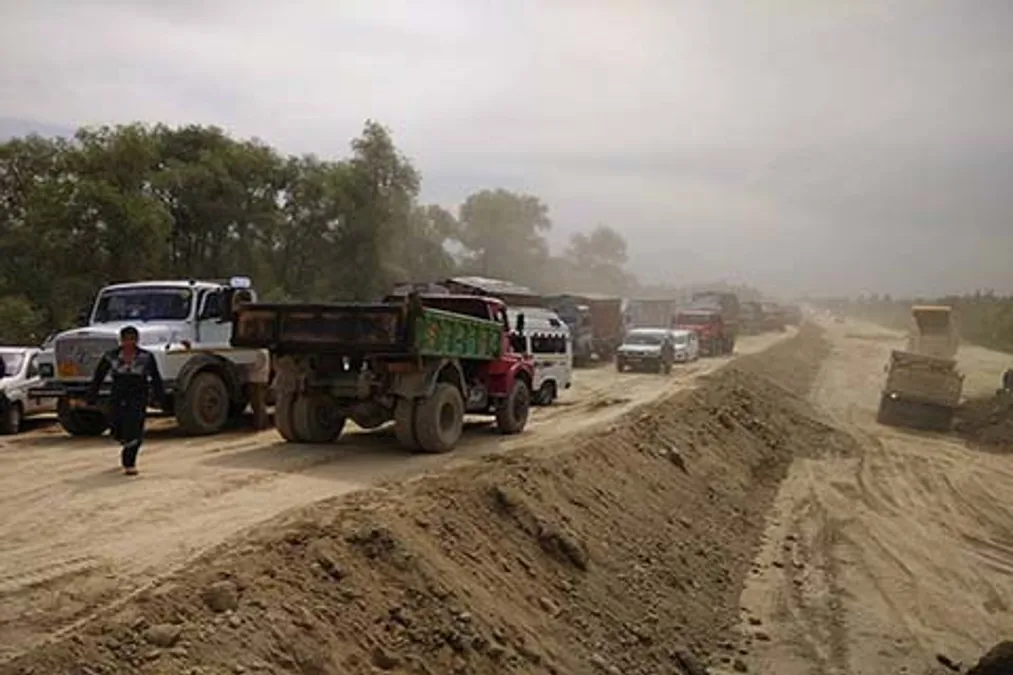
Although several national highway, bypass and rural road projects are under construction or being upgraded, many stretches continue to experience delays due to land acquisition, traffic diversion, weather disruptions and utility relocation.
Incomplete roadworks often result in:
- Traffic congestion
- Longer travel times
- Higher vehicle operating costs
- Increased accident risks
- Difficulties for emergency services
In rural areas, unfinished link roads continue to affect access to schools, healthcare facilities and agricultural markets.
Tourism Infrastructure Needs Timely Completion
Tourism remains one of Kashmir’s strongest economic sectors, making infrastructure readiness especially important.
Popular destinations such as Gulmarg, Pahalgam, Sonamarg and other tourist hubs continue to receive investment in parking facilities, public amenities, roads, sanitation and visitor infrastructure. However, some projects have progressed more slowly than planned.
Delayed completion of tourism facilities can affect:
- Visitor convenience
- Local businesses
- Hospitality services
- Transport management
- Destination competitiveness
With tourism contributing significantly to employment and local incomes, timely project execution becomes an economic necessity rather than simply a construction target.
Urban Development Challenges Continue
Rapid urbanisation has increased pressure on cities such as Srinagar.
Drainage upgrades, road resurfacing, housing projects and civic infrastructure are designed to improve quality of life, yet several initiatives continue to face implementation challenges.
Incomplete drainage networks become particularly problematic during periods of heavy rainfall, when waterlogging disrupts traffic, damages property and affects commercial activity.
Residents frequently cite unfinished roads, excavation works and delayed civic projects among their biggest urban concerns.
Health and Education Infrastructure Await Completion
Public investment in hospitals, schools and educational infrastructure remains central to Kashmir’s development agenda.
However, delayed construction of healthcare facilities and educational institutions can limit access to essential public services, particularly in underserved and rural areas.
When projects extend beyond their planned timelines, communities often continue relying on ageing facilities that struggle to meet growing demand.
Improving social infrastructure is therefore as important as expanding physical infrastructure.
Political Debate Intensifies Over Development
Infrastructure has increasingly become a political issue.
Opposition parties argue that implementation has fallen short of official announcements, while ruling representatives point to the scale of ongoing investments and the complexity of executing projects in a geographically challenging region.
The debate reflects broader public expectations that development should be measured not only by budget allocations or project launches but by visible, timely completion.
Economic Costs of Delayed Projects
Infrastructure delays carry consequences beyond construction sites.
Tourism
Incomplete public facilities can reduce visitor satisfaction and increase operating costs for tourism businesses.
Trade and Commerce
Poor road connectivity affects the movement of goods, increasing transportation costs and reducing efficiency.
Employment
Construction slowdowns can temporarily reduce work opportunities for labourers, contractors and suppliers.
Investment
Private investors often consider infrastructure quality before committing to new projects, making timely public works important for broader economic growth.
Public Confidence Depends on Delivery
Citizens generally judge development by outcomes they can see and use.
Completed roads, functioning hospitals, reliable drainage systems and modern public facilities have a direct impact on daily life. Conversely, prolonged construction and unfinished projects can erode public confidence in governance, regardless of the number of announcements made.
For many residents, visible progress is the most meaningful measure of administrative performance.
What Can Help Accelerate Development?
Experts suggest that improving project delivery requires a combination of financial discipline, administrative reforms and stronger monitoring.
Key priorities include:
- Timely release of project funds
- Faster tendering and procurement processes
- Better coordination among departments
- Streamlined land acquisition and statutory clearances
- Digital monitoring of project milestones
- Greater transparency and public disclosure of progress
- Accountability mechanisms for cost overruns and missed deadlines
Strengthening these areas could help reduce delays and improve the efficiency of infrastructure delivery.
Snapshot
| Sector | Key Challenge | Likely Impact |
|---|---|---|
| Roads | Delays in upgrades, maintenance and connectivity projects | Travel disruptions and higher transport costs |
| Tourism | Slower execution of visitor infrastructure | Reduced visitor convenience and business opportunities |
| Urban Development | Incomplete drainage, housing and civic works | Waterlogging, congestion and reduced quality of life |
| Health & Education | Delayed construction of public facilities | Gaps in access to essential services |
The Bottom Line
Kashmir’s development story is no longer defined by the number of projects announced, but by how efficiently they are completed. While substantial public investment continues across roads, tourism, healthcare, education and urban infrastructure, delays in execution risk diluting the benefits these projects are intended to deliver.
Overcoming funding bottlenecks, improving inter-departmental coordination and strengthening accountability will be critical to ensuring that infrastructure projects move from planning to completion. As expectations for better public services continue to rise, timely delivery of development works has become both an economic priority and a key test of governance in Jammu and Kashmir.