U.S.–Iran Crisis Update: A Fragile Pause Amid Rising Naval Tensions
By: Javid Amin | 14 April 2026
As of April 14, 2026, the confrontation between the United States and Iran remains dangerously poised between restraint and escalation. While a two-week ceasefire technically holds, ground realities suggest a conflict still actively simmering at sea, particularly around the critical Strait of Hormuz.
Naval deployments, economic disruptions, and diplomatic deadlock together paint a picture of a crisis that is contained—but far from resolved.
Military & Strategic Situation: Containment Without Calm
Blockade Tightens, Risks Multiply
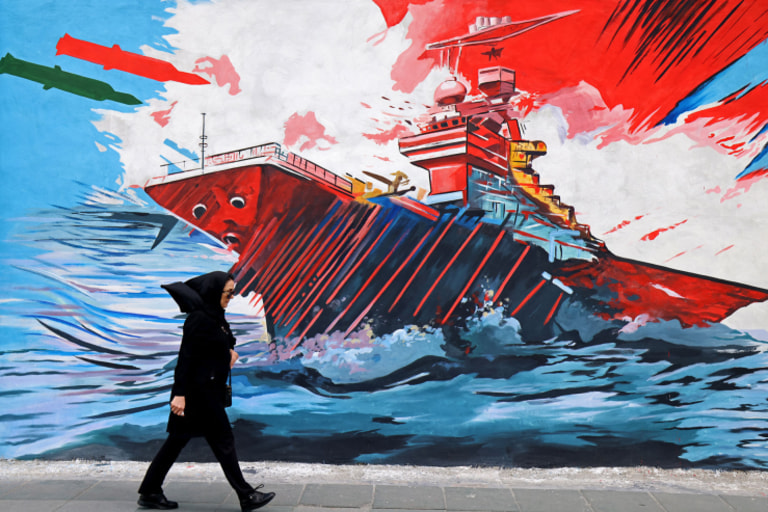
The U.S. Navy continues to enforce a stringent blockade around Iranian ports, with approximately 15 warships deployed under the oversight of United States Central Command. The objective remains clear: restrict Iran’s maritime oil exports while maintaining partial navigational access for global shipping.
Donald Trump has reinforced Washington’s posture with an uncompromising warning—any Iranian vessel approaching the blockade perimeter will be “eliminated.”
Iran’s Calculated Response
Tehran, led by President Masoud Pezeshkian, has adopted a dual strategy:
- Military readiness: Coastal defense systems and naval patrols intensified
- Strategic messaging: Threats of retaliation targeting Gulf infrastructure
The Islamic Revolutionary Guard Corps (IRGC) claims to be closely tracking U.S. movements, signaling preparedness without initiating full confrontation.
Flashpoints Emerging
- Minor naval skirmishes reported near Bandar Abbas
- Surveillance operations expanded across the Gulf
- Israel quietly supporting U.S. maritime intelligence
This creates a high-risk environment where tactical missteps could escalate rapidly.
Oil Markets & Economic Impact: Volatility Replaces Panic
After last week’s dramatic spike, oil markets have entered a phase of uneasy correction.
Market Snapshot
- Brent crude fluctuating between $110–$125 per barrel
- Earlier peak crossed $150 per barrel
- Shipping insurance premiums significantly elevated
The partial reopening of maritime expectations—driven by hopes of renewed diplomacy—has cooled prices slightly, but uncertainty remains dominant.
Trade & Supply Chains Under Pressure
Traffic through the Strait of Hormuz has dropped by 45–50%, forcing costly reroutes via the Red Sea.
Key consequences:
- Increased freight costs and delays
- Fertilizer and food supply disruptions
- Strain on global logistics networks
South Asia’s Economic Exposure
Countries like India, Pakistan, and Bangladesh are particularly vulnerable:
- Rising import bills
- Pressure on fuel subsidies
- Risk of agricultural disruption due to fertilizer shortages
Diplomacy: Islamabad Talks Stall, But Window Remains Open
Efforts to de-escalate continue, with Pakistan playing a central mediating role.
Islamabad Negotiations
- 21-hour talks between U.S. and Iranian delegations
- No breakthrough achieved
- Both sides traded blame for the impasse
President Pezeshkian accused Washington of “excessive demands,” while U.S. voices—including JD Vance—maintained that responsibility lies with Tehran.
International Pressure Mounts
- United Nations pushing for restraint
- European Union advocating humanitarian corridors
- China and Russia urging de-escalation
Despite setbacks, Islamabad is expected to host another round before the ceasefire expires—offering a narrow but critical diplomatic window.
Humanitarian & Regional Fallout: Pressure Building Beyond the Battlefield
Inside Iran
Economic conditions are deteriorating rapidly:
- Inflation exceeding 60%
- Food and fuel shortages intensifying
- Protests spreading across Tehran and Isfahan
Public frustration is rising, adding internal pressure on leadership decisions.
Proxy Frontlines Expand
- Hezbollah active in Lebanon
- Houthi movement targeting shipping and allied assets in Yemen
These developments risk turning a contained standoff into a multi-front regional crisis.
Short-Term Outlook: Next 72 Hours to 10 Days
Key Timeline
- Ceasefire expires in ~10 days
- Fresh talks expected mid-week in Islamabad
Risk Assessment: HIGH
- Continued naval proximity increases accident risk
- Proxy escalations could trigger broader retaliation
- Oil market volatility likely to persist
What Analysts Are Watching
- Movement of U.S. carrier groups
- Iranian naval deployments near Hormuz
- Signals from backchannel diplomacy
Conclusion: A Crisis Paused, Not Resolved
The U.S.–Iran confrontation has entered a tense holding pattern—where diplomacy struggles to keep pace with military realities.
The blockade remains in place. Oil markets remain unstable. Regional actors remain on edge.
The coming days will be निर्णायक: whether this fragile ceasefire evolves into meaningful de-escalation—or collapses into a broader conflict that could reshape global energy security and geopolitical alignments.