Iran Rejects U.S. Talks: Diplomacy Stalls as Hormuz Crisis Deepens
By: Javid Amin | 19 April 2026
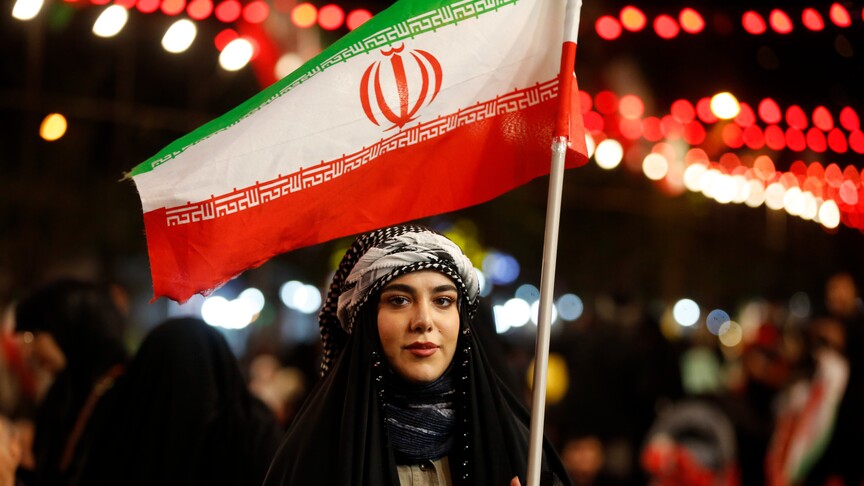
In a critical escalation, Iran has formally rejected another round of negotiations with the United States, accusing Washington of “pressure tactics” and placing “unreasonable demands” on the table.
The decision comes at a moment when the Strait of Hormuz—a vital global energy artery—remains effectively shut, turning a diplomatic standoff into a high-stakes geopolitical crisis.
Ground Situation: From Negotiation Table to Naval Tension
Talks Breakdown
- Tehran has refused further dialogue under current conditions
- Iranian officials insist negotiations cannot proceed amid sanctions and military pressure
- The move signals a hardening of positions on both sides
Military Posture Intensifies
- Iran continues to enforce restrictions around the Strait of Hormuz
- U.S. naval forces remain deployed across the Gulf
- Risk of direct confrontation is rising with every passing day
On the ground, diplomacy has slowed—but military readiness has accelerated.
Hormuz as Leverage: Strategy Behind Iran’s Move
Iran’s refusal to negotiate is closely tied to its control over Hormuz.
Strategic Calculation
- The strait carries ~20% of global oil supply
- By restricting access, Iran gains maximum geopolitical leverage
- Message to Washington:
No relief without reciprocal concessions
This reflects a shift toward “pressure-for-pressure” diplomacy—where economic and military tools replace traditional negotiation frameworks.
Global Energy Shock: Markets on Edge
Oil & Gas Impact
- Oil prices expected to surge beyond $150 per barrel if the standoff continues
- LNG exports from Qatar disrupted
- Europe and Asia face renewed energy insecurity
Shipping Disruption
- War-risk insurance premiums skyrocketing
- Commercial vessels avoiding Gulf routes
- Supply chains under severe stress
The crisis is no longer regional—it is reshaping global energy flows.
Who Is Hit the Hardest?
India
- Heavy reliance on Gulf oil imports
- Rising fuel costs and inflation pressure
China & 🇯🇵 Japan
- Vulnerable to supply disruptions
- Potential need for energy rationing
Europe
- LNG shortages could intensify existing energy challenges
Strategic Fallout: Beyond Energy Markets
U.S. & Allied Response
- Likely increase in naval deployments
- Potential plans to secure shipping lanes militarily
Regional Spillover
- Groups like Hezbollah could escalate activity
- Tensions may spread to Lebanon, Yemen, and Iraq
Diplomatic Isolation
Iran’s stance may:
- Harden international positions
- Delay or block sanctions relief
- Reduce immediate chances of compromise
Scenario Matrix: Where This Crisis Could Head
If Hormuz Remains Closed & Talks Frozen
Short-Term (Days–Weeks):
- Oil spikes above $150
- Shipping routes disrupted
- Naval tensions increase
Medium-Term (1–3 Months):
- Global inflation rises sharply
- Industries face supply shortages
- Proxy conflicts intensify
Long-Term (6–12 Months):
- Structural energy crisis
- Iran faces deeper economic isolation
- Persistent risk of war
If Talks Resume
Short-Term:
- Oil stabilizes around $90–100
- Shipping resumes gradually
Medium-Term:
- Possible sanctions relief framework
- Reduced regional tensions
Long-Term:
- Revival of diplomatic agreements
- Stabilization of global energy markets
A Crisis of Trust: Why Talks Failed
At the core of the breakdown lies deep mistrust:
- Iran demands sanctions relief first
- The U.S. insists on policy and nuclear concessions
Neither side appears willing to move first—creating a classic diplomatic deadlock.
Outlook: A Narrow Window for De-escalation
What to Watch
- Any backchannel diplomacy signals
- Movement in U.S. naval operations
- Changes in Iran’s Hormuz enforcement posture
Risk Level: VERY HIGH
Even a minor incident could:
- Trigger direct military conflict
- Disrupt global markets further
- Pull in regional actors
Conclusion: A Turning Point in the Crisis
Iran’s rejection of talks marks a decisive shift from negotiation to confrontation.
With the Strait of Hormuz under pressure and diplomacy stalled, the world is entering a volatile phase where economic shock and military risk intersect.
The path forward depends on one key question:
Will either side step back—or will escalation define the next chapter?