Trump Extends Iran Ceasefire Indefinitely: Pakistan Steps In as Crisis Mediator
By: Javid Amin | 22 April 2026
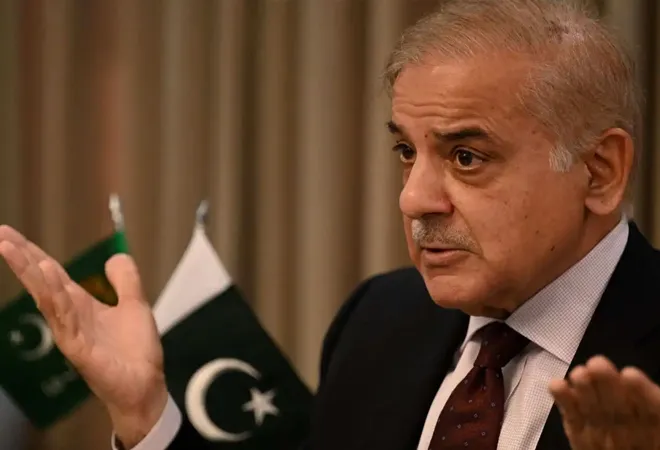
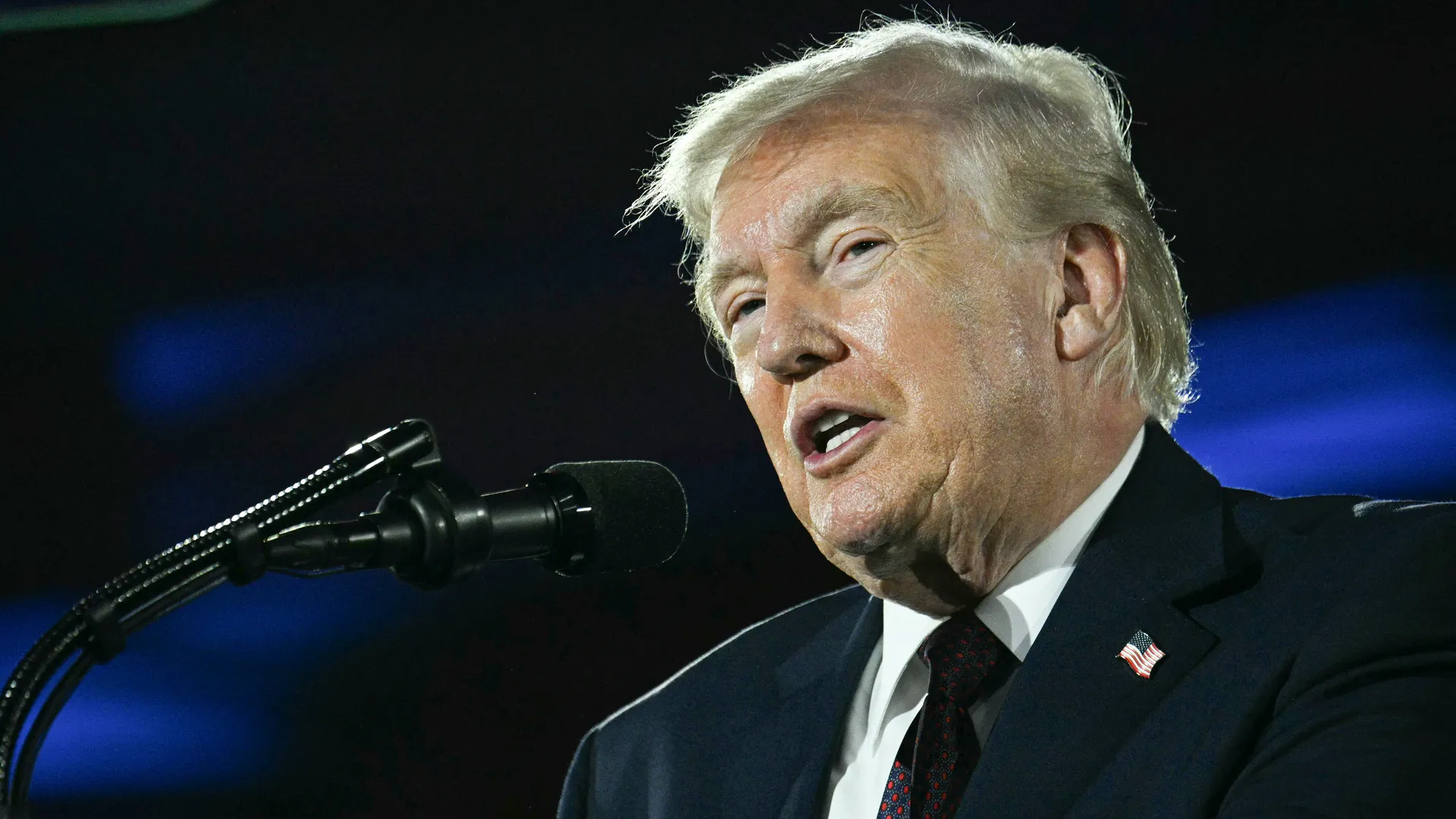
In a significant yet cautious development, Donald Trump has announced an indefinite extension of the ceasefire with Iran, following a formal request from Pakistan.
Islamabad’s intervention signals a broader regional anxiety: no stakeholder—regional or global—can afford a full-scale escalation in the Gulf at this moment.
While the announcement offers temporary relief, ground realities suggest the ceasefire is less a peace agreement and more a strategic pause under pressure.
Pakistan’s Diplomatic Gambit: A Calculated Move for Regional Stability
Pakistan’s emergence as a mediator is neither accidental nor purely altruistic.
By stepping into a high-stakes geopolitical standoff, Islamabad is attempting to:
- Position itself as a credible diplomatic bridge between Washington and Tehran
- Prevent economic spillovers that could destabilize its already fragile economy
- Reinforce its relevance in Middle Eastern geopolitics, particularly among Gulf partners
Behind the scenes, diplomatic channels indicate backchannel talks are active but constrained. Iran continues to resist formal negotiations under coercive conditions, particularly the ongoing blockade.
At the center of this impasse lies a critical chokepoint: the Strait of Hormuz—through which nearly a fifth of global oil supply flows.
Diplomatic Deadlock: Pressure vs Sovereignty
The United States is leveraging the ceasefire extension as a bargaining tool:
- Washington wants Tehran to reopen Hormuz fully and guarantee maritime security
- Tehran demands relief from naval and economic pressure before any concessions
This creates a classic geopolitical standoff:
- US strategy: maximum pressure with conditional diplomacy
- Iran strategy: strategic patience with controlled escalation
The indefinite ceasefire, therefore, is not a resolution—it is a holding pattern shaped by mutual distrust.
Military Reality: Ceasefire on Paper, Tensions at Sea
Despite the diplomatic optics, the military situation remains volatile.
- The naval blockade of Iranian ports continues, effectively maintaining economic pressure
- Forces on both sides remain on heightened operational readiness
- Surveillance, deterrence posturing, and limited tactical movements persist in the Gulf
Complicating matters further is Israel’s ongoing military activity in Lebanon. These operations:
- Undermine the broader perception of de-escalation
- Risk opening a secondary front involving Hezbollah
- Increase the probability of miscalculation-driven escalation
In essence, the battlefield has not cooled—only the rhetoric has softened.
Oil Markets React: Calm Surface, Volatile Undercurrents
Global energy markets responded cautiously to the ceasefire extension:
- Oil prices stabilized briefly, reflecting reduced immediate risk
- However, volatility remains elevated due to structural uncertainty
The reason is simple:
Any disruption in the Strait of Hormuz would have instant global repercussions.
Market sentiment is currently driven by:
- Fragile diplomatic progress
- Persistent military risks
- Uncertainty around sanctions and trade flows
For countries like Pakistan and Gulf economies, stability is not optional—it is existential.
Scenario Mapping: What Comes Next?
1. Diplomatic Breakthrough via Pakistan
Likelihood: Low–Medium
A breakthrough would require:
- The US to ease blockade conditions
- Iran to offer verifiable concessions
At present, neither side appears ready for such compromise.
2. Fragile Ceasefire Holds
Likelihood: Medium
- Temporary stability in oil markets
- Continued low-intensity tensions
- Sporadic violations, especially in Lebanon
This is currently the most plausible short-term trajectory.
3. Collapse of Talks, Renewed Conflict
Likelihood: High
- Potential closure or disruption of Hormuz
- Targeted strikes on Iranian infrastructure
- Immediate spike in global oil prices
This remains the baseline risk scenario if diplomacy stalls.
4. Regional Escalation
Likelihood: Medium
- Intensification of conflict in Lebanon
- Deeper involvement of Hezbollah
- Expansion into a multi-front regional confrontation
Strategic Insight: A Pause, Not Peace
The indefinite ceasefire is being framed diplomatically as progress—but structurally, it reflects mutual constraint rather than mutual agreement.
- Pakistan has successfully bought time, not resolution
- The US continues to rely on pressure-based diplomacy
- Iran remains committed to resistance under sanctions
Without tangible concessions—either a loosening of the blockade or a reopening of Hormuz under guarantees—the situation is likely to remain stuck in a cycle of fragile calm and periodic flare-ups.
Conclusion: A Narrow Window for Diplomacy
The Middle East stands at a delicate inflection point.
This ceasefire extension may prevent immediate escalation, but it also highlights a deeper truth:
the margin for error is shrinking.
Unless diplomatic momentum translates into concrete policy shifts, the region risks sliding back into confrontation—with consequences that would extend far beyond the Gulf.