Udhampur Bus Tragedy: 21 Dead, Dozens Injured After Bus Plunges Into Gorge in J&K
By: Javid Amin | 20 April 2026
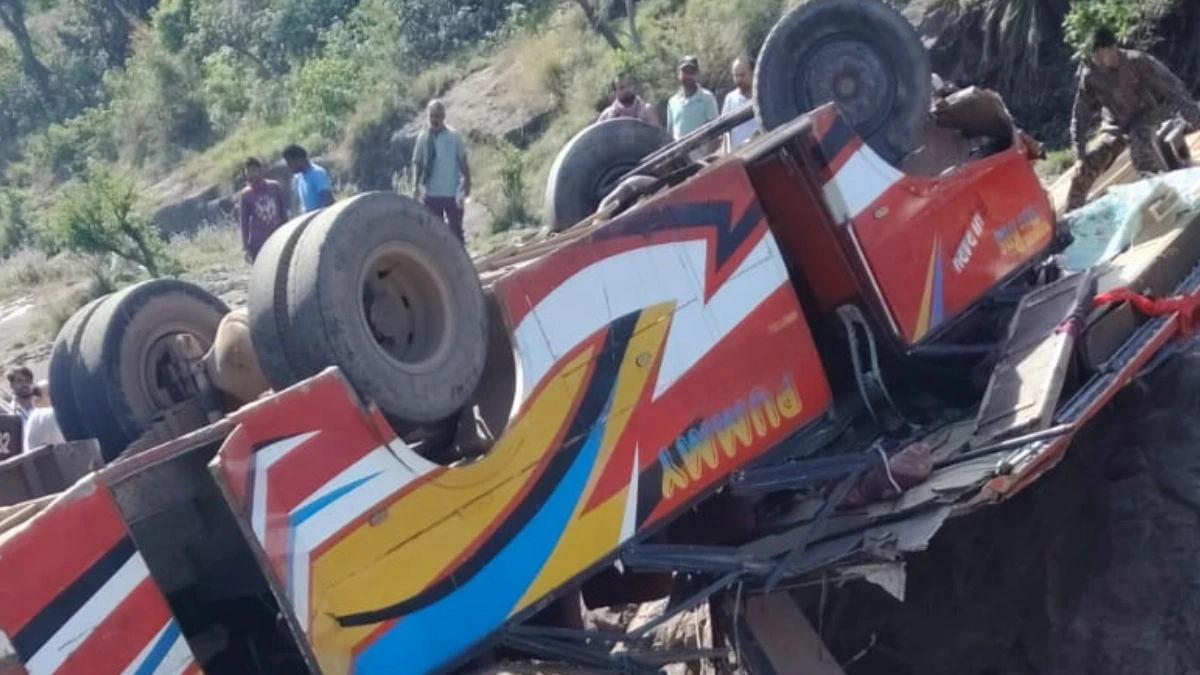
A routine morning journey turned into a devastating tragedy in Jammu & Kashmir on Monday, April 20, 2026, when a passenger bus veered off a narrow mountain road and plunged into a deep gorge near Ramnagar in Udhampur district.
At least 21 lives have been lost so far, and dozens remain injured—many critically—making this one of the deadliest road accidents in the region in recent months.
Where and How the Accident Happened
The accident occurred near Kagort village in the Ramnagar area, a region known for its steep terrain and winding roads. According to initial reports from local authorities and ground responders, the bus lost control while negotiating a sharp blind curve around 10:00 AM.
Eyewitness accounts suggest the vehicle skidded before plunging into a deep gorge, rolling multiple times before coming to a halt. The impact was severe, crushing parts of the bus and trapping passengers inside.
Mountain roads in districts like Udhampur are often narrow and unforgiving. Even a minor lapse—whether mechanical or human—can lead to catastrophic outcomes.
Casualties: Conflicting Numbers, Rising Concerns
Officials have confirmed that at least 21 people have died in the accident, including several women. However, the number of injured varies between 29 and 45 across different official and local reports.
This discrepancy is not unusual in the immediate aftermath of such disasters. Rescue teams are still verifying passenger lists and identifying victims, and the toll may change as more information emerges.
Several of the injured are said to be in critical condition, raising fears that the death toll could rise.
Rescue Efforts: Locals Lead the First Response
In the crucial first minutes after the crash, it was local villagers who rushed to the scene. With little regard for their own safety, they climbed down the steep gorge to pull survivors out of the wreckage.
Soon after, police teams, ambulances, and disaster response units arrived. Personnel from the Indian Army also joined the rescue operation, helping evacuate the injured and recover bodies.
The terrain, however, made the operation extremely challenging. Narrow access routes and the depth of the gorge slowed down efforts, requiring coordinated action over several hours.
Medical Response: Hospitals Under Pressure
The injured were quickly transported to district hospitals in Udhampur and nearby facilities. Emergency wards were put on high alert, with doctors working continuously to treat trauma injuries.
Sources from the medical teams indicate that many victims suffered severe head injuries, fractures, and internal bleeding—common in high-impact falls from height.
Authorities have ensured the availability of ambulances and emergency care, but the scale of injuries has put pressure on local healthcare infrastructure.
Government Response and Compensation
Prime Minister Narendra Modi expressed grief over the loss of lives and announced ex-gratia compensation:
- ₹2 lakh for the families of each deceased
- ₹50,000 for those injured
The Jammu & Kashmir administration has also ordered a formal probe into the accident to determine the exact cause and identify any lapses.
What Caused the Crash? Early Indicators
While the investigation is still underway, preliminary findings point to a combination of factors:
- Loss of control at a blind curve
- Possible overspeeding or brake failure
- Challenging road conditions
Experts note that mountain driving requires high skill and caution. Blind curves, loose gravel, and lack of guardrails often turn small errors into fatal incidents.
Recurring Safety Concerns in J&K’s Hilly Terrain
This tragedy once again highlights long-standing road safety issues in Jammu & Kashmir:
1. Dangerous Road Geometry
Many roads in hilly districts like Udhampur feature sharp turns, narrow widths, and steep drops without adequate barriers.
2. Overcrowded Public Transport
Passenger buses are often overloaded, increasing the risk and severity of accidents.
3. Limited Enforcement
Despite known risks, enforcement of speed limits and vehicle fitness standards remains inconsistent.
4. Driver Fatigue and Training Gaps
Long routes and insufficient rest can impair driver judgment, especially on complex terrain.
Voices from the Ground: A Community in Shock
Residents of the Ramnagar area describe the scene as “heartbreaking.” Many families are still searching for missing relatives, while others are mourning sudden losses.
Local volunteers continue to assist authorities, providing food, transport, and emotional support to victims and their families.
The Bigger Picture: A Call for Reform
Road accidents in hilly regions are not isolated incidents—they are systemic challenges. This tragedy is likely to intensify calls for:
- Better road infrastructure and guardrails
- Mandatory safety audits of hill routes
- Stricter driver training and licensing
- Real-time monitoring of public transport vehicles
Without structural changes, such incidents risk becoming recurring headlines.
Takeaway: A Preventable Tragedy
The Udhampur bus accident is a stark reminder of how fragile safety can be on mountainous roads. While rescue efforts continue and investigations unfold, the focus must shift toward prevention.
For now, families mourn, hospitals struggle to save lives, and a region grapples with yet another painful loss.


