“No Question of Stepping Back”: NC Draws a Hard Line
By: Javid Amin | 27 April 2026
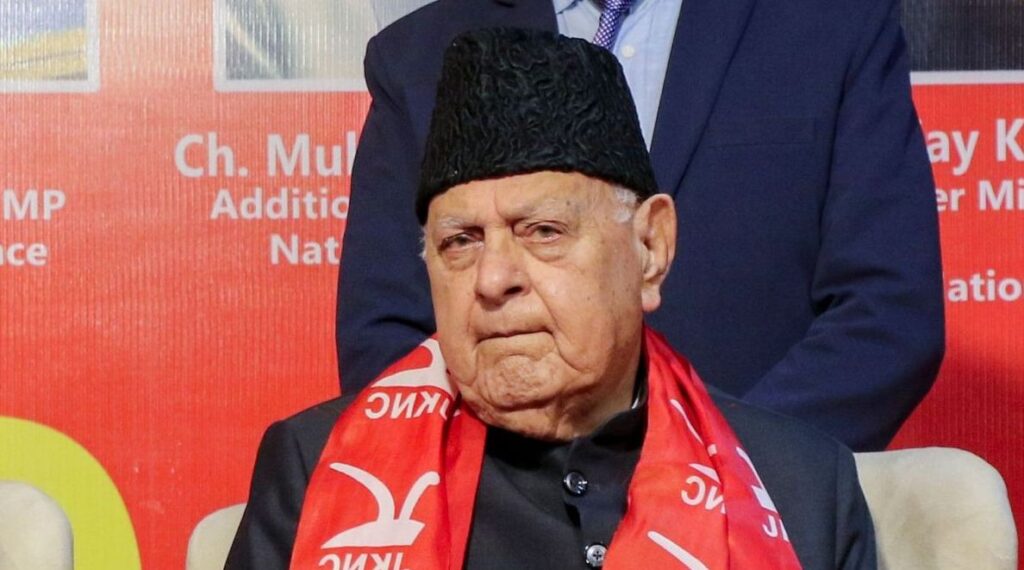
In a politically charged address in Budgam, Farooq Abdullah has made one thing unequivocally clear: the restoration of Article 370 is non-negotiable for the National Conference.
At a time when the debate in Jammu & Kashmir often oscillates between statehood restoration and governance reforms, Abdullah’s statement re-centers the discourse on constitutional autonomy and identity.
Reasserting Article 370 as the Core Political Agenda
For the National Conference, Article 370 is not merely a legal provision—it is a symbol of political identity and federal autonomy.
What Farooq Abdullah Said
- Restoration of Article 370 remains the primary political commitment
- There is “no question of stepping back” from this demand
- The struggle is tied to rights, dignity, and democratic representation
This positions NC in direct ideological opposition to the Centre’s post-2019 framework.
The Historical Anchor: Legacy of Sheikh Abdullah
Abdullah invoked the legacy of his father, Sheikh Abdullah, to reinforce the party’s ideological roots.
Why This Matters
- Land reforms under Sheikh Abdullah empowered local populations
- Reduced feudal inequalities and rural poverty
- Strengthened local ownership and socio-political agency
By referencing this legacy, NC is linking past achievements with present demands, strengthening emotional and historical resonance.
“Erosion of Autonomy”: The Constitutional Argument
Abdullah argued that J&K’s special status was not abruptly removed but gradually diluted over time, culminating in the
Revocation of Article 370.
NC’s Position
- The process was “unconstitutional and undemocratic”
- It undermined the federal structure
- It stripped J&K of its institutional safeguards
This framing shifts the debate from politics to constitutional legitimacy.
Dual Governance Critique: A System Under Strain
A key highlight of Abdullah’s speech was criticism of the current governance model.
What is “Dual Governance”?
- Administration split between elected representatives (limited powers)
- And the Lieutenant Governor (Centre-appointed authority)
Claimed Impact
- Slower decision-making
- Reduced accountability
- Governance inefficiencies
NC argues that this structure hampers development and weakens democracy.
Political Context: Rising Pressure from Within
Abdullah’s remarks come amid growing assertiveness within the party and allied voices.
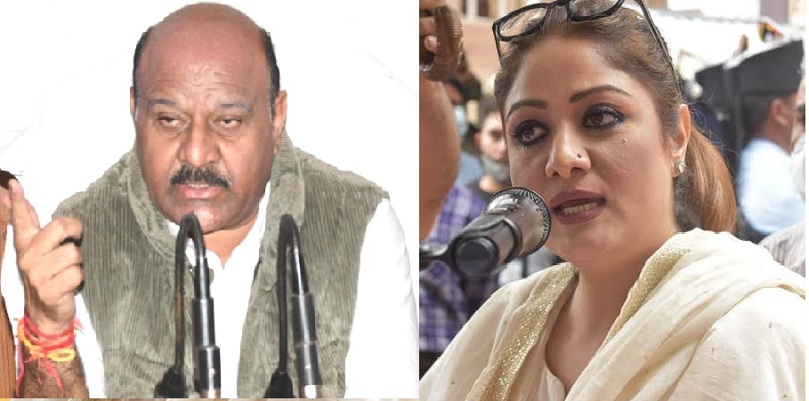
- Leaders like Aga Ruhullah Mehdi emphasize that restoration—not just statehood—is the people’s mandate
- The broader regional narrative is shifting from administrative demands to constitutional rights
This indicates a hardening of political positions, not moderation.
Public Sentiment: Identity vs Governance
The Article 370 debate remains deeply emotional in Kashmir.
Ground Signals
- Seen as a matter of identity and dignity
- Linked to land, jobs, and cultural protection
- Divided opinion:
- Some prioritize development under central rule
- Others demand restoration of autonomy
NC’s stance aligns strongly with the identity-driven segment of public opinion.
Strategic Implications
For National Conference
- Reinforces its identity as custodian of Kashmiri rights
- Consolidates its core voter base
- Risks limiting appeal beyond regional politics
For the Centre
- Faces renewed political pressure
- Must balance security, governance, and political optics
For Elections
- Article 370 likely to become a defining campaign issue
- Sharp polarization between autonomy vs integration narratives
What Lies Ahead?
- Continued legal and political challenges around Article 370
- Intensified rhetoric between regional parties and the Centre
- Possible strategic timing of statehood decisions to influence electoral outcomes
However, full restoration remains constitutionally and politically complex, especially after Supreme Court validation of the 2019 move.
Bottom Line
Farooq Abdullah’s Budgam address is not just a speech—it is a clear political signal.
- The National Conference is doubling down on Article 370 as its non-negotiable core agenda.
- The debate in Jammu & Kashmir is shifting from governance to constitutional identity.
In today’s political landscape, this stance sharpens the central question:
Is the future of J&K defined by integration—or autonomy?