Kashmir Back in Focus: Omar Abdullah’s Film Pitch Meets Real Tourism Impact
By: Javid Amin | 25 April 2026
A Strategic Cultural Comeback
Jammu & Kashmir Chief Minister Omar Abdullah has made a calculated and timely pitch to Indian filmmakers—positioning Kashmir not just as a scenic paradise, but as a production-ready cinematic hub.
This is more than an invitation. It’s a policy-backed economic and cultural strategy aimed at reviving tourism, generating employment, and reshaping Kashmir’s narrative through cinema.
Why Kashmir Is Regaining Filmmakers’ Attention
The appeal is both aesthetic and strategic:
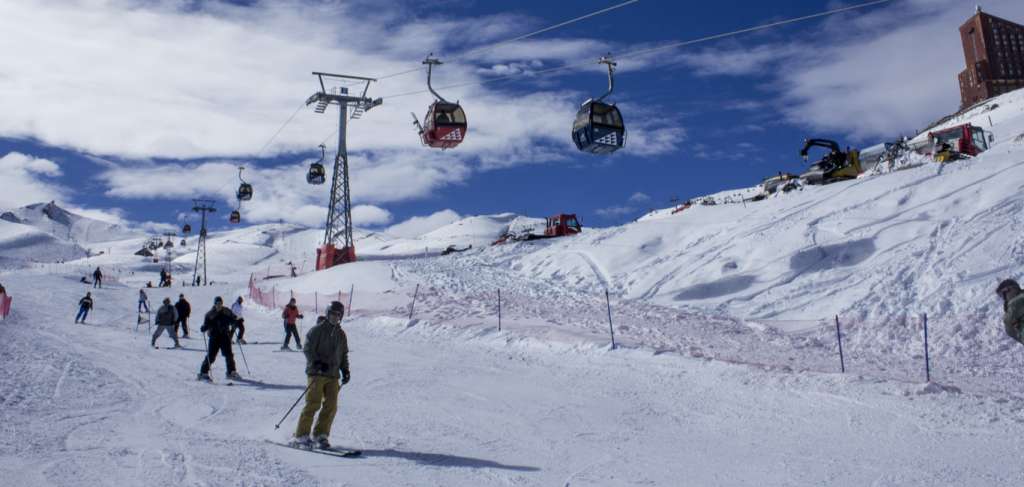
- Visual Versatility: From the alpine beauty of Gulmarg to the river landscapes of Pahalgam, Kashmir offers diverse natural sets that rival Europe—without international logistics.
- Cultural Depth: Local crafts, Sufi traditions, and heritage architecture add narrative authenticity.
- Policy Push: The administration is actively facilitating single-window permissions, security coordination, and logistical ease.
- Cost Efficiency: Compared to overseas shoots, Kashmir delivers high production value at lower cost.
Also Read | Gulmarg Remains Kashmir’s Top Destination as Emerging Tourist Spots Expand Valley’s Travel Map
From Nostalgia to Revival: Bollywood’s Return to Kashmir
Kashmir was once Bollywood’s go-to destination—immortalized in classics like Kashmir Ki Kali. However, decades of instability disrupted that relationship.
Now, the industry is cautiously returning—and recent films provide measurable evidence.
Recent Films Shot in Kashmir & Their Tourism Impact
1. The Kashmir Files
Impact:
- Sparked nationwide attention on Kashmir, albeit through a sensitive historical lens.
- Triggered a surge in curiosity-driven tourism, with many visitors wanting to understand the region beyond headlines.
- Hotels in Srinagar reported a noticeable uptick in bookings post-release.
Insight: Even politically heavy narratives can drive footfall if they keep Kashmir in national discourse.
2. Haider (Resurgence Effect)
Impact (long-tail):
- Though not recent, its visual storytelling continues to influence filmmakers.
- Locations featured in the film still attract cinema-inspired travelers.
Insight: High-quality cinema creates long-term tourism memory, not just short-term spikes.
3. Raazi
Impact:
- Showcased Kashmir’s serene landscapes blended with storytelling depth.
- Boosted perception of Kashmir as safe for controlled, high-budget shoots.
4. Article 370
Impact:
- Brought Kashmir back into mainstream cinematic production cycles.
- Increased shooting activity visibility, signaling industry confidence.
- Indirectly contributed to tourism by reinforcing Kashmir’s presence in national media.
5. Mission Majnu (Partial Kashmir visuals)
Impact:
- Added to the growing list of films re-engaging with Kashmir’s landscape aesthetics.
- Helped normalize the idea of Kashmir as a viable filming location again.
Film Tourism: A Proven Economic Multiplier
Cinema doesn’t just entertain—it drives destination economics.
Direct Impacts:
- Increased hotel occupancy during shoots
- Employment for local guides, drivers, technicians
- Boost to hospitality and transport sectors
Indirect Impacts:
- Rise in tourist footfall post-release
- Social media amplification of locations
- Rebranding Kashmir from conflict zone to cinematic paradise
Ground Reality: Opportunity Meets Constraint
While the opportunity is real, the ecosystem is still evolving:
Positives:
- Strong government backing
- Improved infrastructure
- Growing industry confidence
Constraints:
- Heavy security presence in some مناطق
- Fragile perception among international filmmakers
- Need for film-specific infrastructure (studios, post-production hubs)
Also Read | Kashmir Spring 2026 Sale: Tulip Festival, Honeymoon & Family Packages from ₹30,000 | JKL Travels
Strategic Insight: Cinema as Soft Power
Omar Abdullah’s pitch is rooted in a deeper understanding:
Cinema can reshape narratives faster than policy.
Films shot in Kashmir:
- Humanize the region
- Highlight culture over conflict
- Build emotional connections with audiences
This is soft power in action—and it directly feeds into tourism revival.
The Road Ahead: From Location to Film Economy Hub
For Kashmir to fully capitalize on this momentum:
1. Build Film Infrastructure
Dedicated film cities, studios, and editing hubs can reduce dependency on Mumbai.
2. Incentivize Big Productions
Tax rebates, subsidies, and insurance support can attract large-scale projects.
3. Promote Film Tourism Circuits
Curated travel routes based on famous movie locations can create a new tourism segment.
4. Balance Security with Experience
Ensure safety without overwhelming the cinematic or tourist experience.
Also Read | Experience Blossom Season in Ladakh – A Hidden Alternative to Japan’s Cherry Blossoms
Conclusion: Lights, Camera… Revival?
Kashmir is once again stepping into the cinematic spotlight.
With leaders like Omar Abdullah actively courting filmmakers, and Bollywood slowly returning, the Valley has a real chance to rebuild its global image through storytelling.
But the success of this strategy will depend on consistency—in security, policy support, and creative engagement.
If executed well, films won’t just shoot in Kashmir—they’ll sell Kashmir to the world again.