Kashmir Elder Care Crisis: Why Ageing Parents Need More Than Just Family Support
By: Javid Amin | 19 June 2026
Kashmir’s Ageing Parents: A Generation That Gave Everything, Now Facing Silence
In Kashmir’s villages, towns, and city neighbourhoods, there is a generation of elderly parents who spent their entire lives building homes, educating children, and carrying family responsibilities through difficult times.
Many of them worked hard so their children could move ahead — selling land, sacrificing personal comforts, working through hardships, and putting their children’s dreams before their own.
A common emotion heard across Kashmiri households is:
“Parents spend their whole life protecting their children, but in old age they only want time, care, and companionship.”
However, changing family structures, economic pressures, migration, and modern lifestyles are creating a new challenge — how to care for Kashmir’s ageing population.
The Changing Face of Elderly Life in Kashmir
Traditionally, Kashmiri society had strong family bonds. Large households, close neighbourhood relationships, and community connections ensured that elderly members remained involved in daily life.
Grandparents were not only family members; they were decision-makers, storytellers, and emotional anchors.
But today, the social landscape is changing.
Across Kashmir:
- Young people move to cities for education and jobs
- Many families have shifted from joint to nuclear structures
- Overseas migration has increased
- Working couples struggle to balance careers and caregiving
- Elderly parents often remain alone in ancestral homes
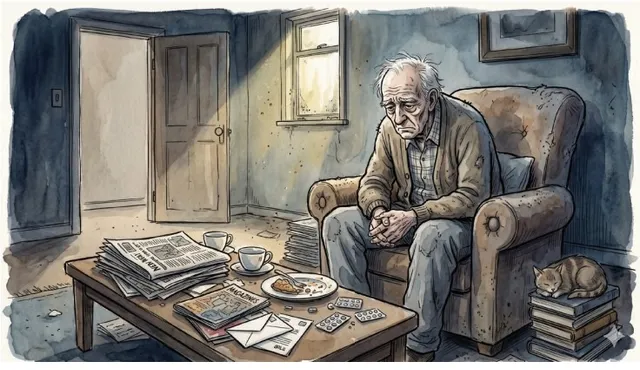
For many seniors, the biggest challenge is not only money or medicine — it is loneliness.
Ground Reality: What Problems Do Elderly Kashmiris Face?
1. Loneliness After Children Move Away
In many villages of Kashmir, elderly parents live alone while their children work in cities such as Srinagar, Jammu, Delhi, Bengaluru, or abroad.
A house that once had the sound of children, family gatherings, and daily activity often becomes quiet.
Many elderly people say they do not need expensive things — they simply want someone to sit with them, talk, and ask about their health.
2. Healthcare Challenges for Senior Citizens
Ageing brings medical challenges, but access to specialised elderly care remains limited in many areas.
Common concerns include:
- Joint pain and mobility problems
- Diabetes and blood pressure issues
- Heart-related illnesses
- Vision problems
- Hearing difficulties
- Memory-related conditions
While major hospitals provide services, elderly people from remote villages often face difficulties reaching healthcare facilities.
Transport problems, harsh winters, and dependency on family members can make regular treatment difficult.
3. Pension and Financial Insecurity
Many elderly Kashmiris depend on pensions or family support.
For those without stable income sources, daily life can become financially stressful.
Problems include:
- Rising medicine costs
- Increasing healthcare expenses
- Limited income options after retirement
- Dependence on children for basic needs
Financial independence often decides how confidently elderly people can live their later years.
The Emotional Question: When Parents Sacrifice Everything
In Kashmiri culture, parents have traditionally carried enormous responsibilities.
Many families have stories of parents who:
- Sold property for children’s education
- Worked beyond their age
- Reduced their own needs
- Supported children during difficult times
But as children grow older and become busy with careers and responsibilities, some elderly parents feel forgotten.
The issue is not that children do not love their parents. In many cases, the pressure of modern life, distance, and financial responsibilities creates a gap between emotions and availability.
A phone call cannot always replace presence.
Why Is This Happening? Major Reasons Behind Kashmir’s Elder Care Challenge
Migration and Employment Pressure
Kashmir’s younger generation increasingly travels outside for education and employment.
While this improves economic opportunities, it creates distance between generations.
Rise of Nuclear Families
Earlier, grandparents often lived with children and grandchildren.
Today, smaller households and urban lifestyles have reduced daily family interaction.
Lack of Elder-Focused Infrastructure
Kashmir still needs stronger systems such as:
- Dedicated geriatric care services
- Elder community centres
- Home healthcare networks
- Senior-friendly public spaces
Social Isolation in Rural Areas
Many elderly people in villages spend most of their day alone, especially after losing a spouse.
Neighbourhood connections that once provided informal support are also weakening.
The Role of Communities in Kashmir’s Elder Care
Government support is important, but Kashmir’s traditional community culture can also play a major role.
Mohalla-Based Elder Support
Local communities can create systems where:
- Neighbours regularly check on elderly residents
- Medical emergencies are quickly reported
- Basic assistance is provided
Religious and Social Institutions
Mosques, local committees, NGOs, and community organisations can support elderly citizens through:
- Food assistance
- Medical camps
- Social gatherings
- Emotional support programmes
Government Priorities Needed for Kashmir’s Elderly Population
Experts believe Kashmir needs stronger focus on:
Better Geriatric Healthcare
District hospitals should have dedicated elderly care facilities.
Home-Based Medical Support
Many elderly patients struggle to travel. Home healthcare can reduce this burden.
Pension Awareness
Many eligible elderly citizens are unaware of available welfare schemes.
Age-Friendly Infrastructure
Public spaces, transport, and government offices should become easier for senior citizens to access.
Technology: A New Support System for Elderly Kashmiris
Technology can help bridge distance.
Solutions include:
- Telemedicine consultations
- Emergency alert systems
- Digital payment training
- Online medicine access
- Regular health monitoring
Children living outside Kashmir can also stay more connected through digital tools, though technology cannot fully replace physical presence.
A Social Responsibility, Not Just a Family Matter
The ageing population challenge in Kashmir is not only about old age homes or government schemes.
It is about preserving a culture where elders feel respected and valued.
A society that remembers its elderly protects its own future.
The parents who once carried their children through difficult times should not spend their later years carrying loneliness.
Kashmir’s elder care conversation must move beyond sympathy — towards dignity, planning, and collective responsibility.


