NC Says Jantar Mantar Protest Should Be an ‘Eye-Opener’ for Centre as Statehood Demand Gains Momentum
By: Javid Amin | 18 June 2026
National Conference Takes Statehood Battle to the National Capital
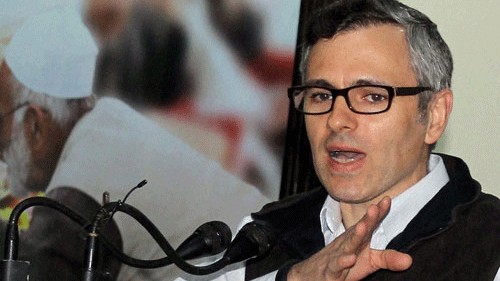
The National Conference (NC) has intensified its campaign for the restoration of Jammu & Kashmir’s statehood, declaring that its protest at Delhi’s Jantar Mantar is intended to serve as an “eye-opener” for the Union Government and the wider political establishment.
The demonstration marks one of the party’s most visible political mobilizations outside Jammu & Kashmir since the region was reorganized into a Union Territory following the abrogation of Article 370 in August 2019.
NC leaders argue that the restoration of statehood is not merely a regional political demand but a constitutional and democratic issue that concerns the rights and aspirations of millions of people in Jammu & Kashmir.
By choosing Jantar Mantar—a venue synonymous with national protests and democratic expression—the party seeks to elevate the debate from a regional concern to a matter of national importance.
Why Jantar Mantar Matters
The choice of Jantar Mantar is politically significant.
For decades, the venue has served as India’s most recognized platform for peaceful democratic protests. Movements ranging from anti-corruption campaigns to farmers’ demonstrations have used the site to draw national attention to their causes.
By organizing the protest in the heart of the national capital, the National Conference aims to ensure that the issue of statehood restoration reaches policymakers, parliamentarians, civil society groups, and national media outlets.
Party leaders contend that taking the movement beyond Jammu & Kashmir sends a clear message that the demand for statehood is not fading with time.
Instead, they argue, public frustration is growing as the delay continues despite repeated assurances from the Union Government regarding the eventual restoration of statehood.
Statehood: The Core of NC’s Political Narrative
Since the constitutional changes of 2019, the National Conference has consistently positioned the restoration of statehood as one of its principal political objectives.
The party maintains that Jammu & Kashmir’s democratic institutions cannot function effectively without full statehood and an empowered elected government.
NC leaders have repeatedly argued that the issue transcends party politics and concerns democratic representation, administrative accountability, and constitutional governance.
According to the party’s narrative, restoring statehood would strengthen local decision-making, improve governance mechanisms, and reaffirm democratic commitments made to the people of Jammu & Kashmir.
By framing the issue in constitutional rather than purely political terms, the National Conference is attempting to broaden support beyond its traditional voter base.
Voluntary Participation: Echoing Farooq Abdullah’s Position
An important feature of the protest has been the emphasis on voluntary participation.
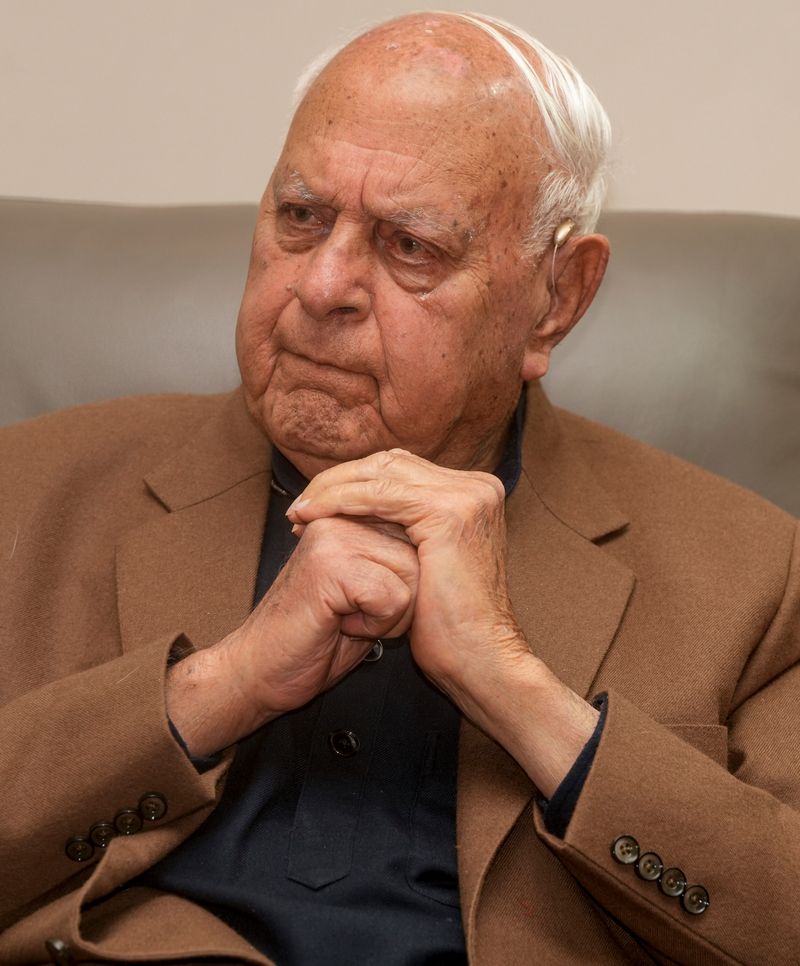
Veteran NC leader Farooq Abdullah has previously stated that demonstrations should reflect genuine public sentiment rather than organized crowd mobilization.
Party leaders reiterated that the purpose of the protest was not to showcase numbers alone but to demonstrate authentic public concern regarding the prolonged delay in restoring statehood.
This approach allows the National Conference to portray the movement as a grassroots democratic expression rather than a conventional political rally.
Supporters argue that genuine participation strengthens the legitimacy of the demand and reinforces the message that statehood remains a pressing public issue.
Political Pressure Mounts on Multiple Fronts
The protest comes at a time when the National Conference is facing criticism from both political rivals and ideological opponents.
Opposition parties, including the PDP and other regional players, have accused the NC of reacting too slowly to developments surrounding Jammu & Kashmir’s constitutional status.
Critics argue that symbolic protests alone may not be sufficient to secure tangible political outcomes.
The BJP, meanwhile, has maintained that constitutional and administrative decisions regarding Jammu & Kashmir are being handled within an established framework and timeline.
Against this backdrop, the NC is seeking to sharpen its political messaging by presenting itself as the principal voice advocating for the restoration of democratic rights and constitutional guarantees.
The Jantar Mantar protest forms part of that broader strategy.
Public Sentiment and the Growing Demand for Clarity
Among many residents of Jammu & Kashmir, statehood remains one of the most significant unresolved political questions.
The prolonged transition from statehood to Union Territory status has generated debate across political, academic, and civil society circles.
While opinions differ on the pace and process of restoration, there is widespread interest in understanding the future constitutional framework of the region.
Political analysts note that public fatigue over uncertainty has become increasingly visible.
Many citizens are less interested in political blame games and more focused on receiving clear timelines, institutional stability, and effective governance.
The National Conference is attempting to channel this sentiment by framing the statehood issue as a question of democratic rights rather than partisan politics.
Bringing Jammu & Kashmir Back Into the National Conversation
One of the primary objectives of the protest is to place Jammu & Kashmir’s statehood demand back at the centre of national political discourse.
In recent years, debates concerning governance, development, elections, and security have often overshadowed discussions about constitutional restoration.
By organizing a protest in Delhi, the NC hopes to attract national media attention and encourage broader political engagement with the issue.
Party leaders believe that sustained national visibility can increase pressure on policymakers and ensure that commitments regarding statehood remain part of the political agenda.
The symbolism of protesting in the nation’s capital underscores the party’s argument that Jammu & Kashmir’s future constitutional status is not solely a regional concern but a matter of national democratic significance.
The Constitutional Debate Continues
The statehood issue remains intertwined with broader constitutional and political discussions following the events of August 2019.
The Union Government has repeatedly indicated that statehood would be restored at an appropriate stage, though no definitive timeline has been announced.
This ambiguity has allowed regional parties to continue mobilizing public opinion around the issue.
For the National Conference, the demand for statehood represents both a political objective and a constitutional principle.
The party argues that democratic accountability is strengthened when decision-making authority rests with a fully empowered elected government accountable to the people.
Whether this argument gains wider national traction may depend on future political developments, judicial discourse, and government policy decisions.
What the Protest Means Going Forward
The Jantar Mantar demonstration marks an important phase in the National Conference’s evolving strategy.
Rather than limiting the conversation to Jammu & Kashmir, the party is attempting to nationalize the debate and frame statehood restoration as a democratic obligation.
The effectiveness of this approach will likely depend on several factors:
Key Factors to Watch
| Factor | Significance |
|---|---|
| Public Participation | Indicates strength of public support |
| National Media Coverage | Expands visibility beyond J&K |
| Government Response | Signals policy direction |
| Opposition Reactions | Shapes political narrative |
| Future Mobilization | Determines momentum of the movement |
If the protest succeeds in sustaining public attention, it could strengthen the National Conference’s position as the leading political advocate of statehood restoration.
Conclusion
The National Conference’s protest at Jantar Mantar is more than a political demonstration—it is an attempt to redefine Jammu & Kashmir’s statehood demand as a national constitutional issue.
By calling the protest an “eye-opener” for the Union Government, the party seeks to highlight growing public impatience over delays in restoring statehood and democratic authority.
As political contestation around the issue intensifies, the debate is likely to remain central to Jammu & Kashmir’s evolving political landscape. Whether the protest translates into concrete policy movement remains uncertain, but its message is clear: the demand for statehood continues to resonate far beyond the boundaries of the Union Territory and is once again seeking a place in India’s national political conversation.