US Strikes Iran After Three Commercial Ships Hit in Strait of Hormuz; Gulf Tensions Escalate
By: News Desk | 07 July 2026
US Expands Military Campaign After New Attacks on Commercial Shipping
The United States has launched a fresh wave of military strikes against Iranian military infrastructure after three commercial vessels were attacked while transiting the Strait of Hormuz, marking another dangerous escalation in one of the world’s most strategically important waterways.
According to U.S. officials, the operation targeted Iranian air defence systems, coastal surveillance installations, ground-to-air missile batteries, anti-ship cruise missile launchers and drone facilities. Washington described the strikes as a defensive response aimed at protecting international shipping and preventing further attacks on commercial vessels.
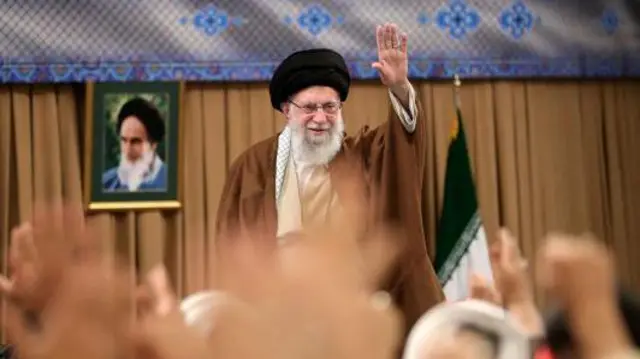
Iran strongly condemned the operation, accusing Washington of violating previous understandings and warning that the latest military action would further destabilize the region. Tehran has maintained that the United States is escalating the conflict instead of pursuing diplomatic solutions.
Three Ships Attacked in the Strait of Hormuz
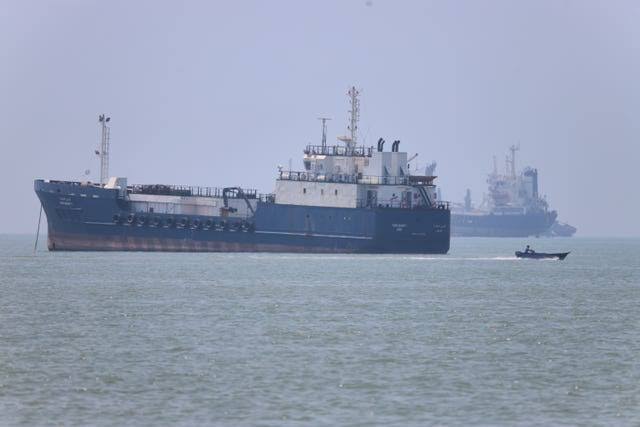
The latest confrontation was triggered after three commercial vessels were reportedly damaged while passing through the Strait of Hormuz, one of the world’s busiest maritime chokepoints.
U.S. officials blamed Iranian forces for the attacks, saying they endangered civilian shipping and threatened global energy supplies. Iran has denied responsibility for several previous incidents in the Gulf and continues to reject U.S. allegations regarding attacks on commercial vessels.
Although the full extent of the damage remains under assessment, the incidents have renewed concerns among shipping companies, insurers and energy traders about the security of maritime traffic through the Gulf.
Why the Strait of Hormuz Matters
The Strait of Hormuz connects the Persian Gulf with the Gulf of Oman and the Arabian Sea, serving as the primary export route for oil and liquefied natural gas from several Gulf producers.
Around one-fifth of global oil trade normally passes through this narrow waterway, making it one of the most critical energy corridors in the world.
Any disruption—whether through military conflict, attacks on commercial shipping or restrictions on navigation—can have immediate consequences for international energy markets, freight costs and global inflation.
For this reason, even limited military exchanges in the area are closely watched by governments, financial markets and shipping companies worldwide.
Washington Says Strikes Were Defensive
U.S. defense officials stressed that the latest military operation was intended to degrade Iran’s ability to threaten commercial shipping rather than initiate a broader offensive campaign.
Military targets reportedly included:
- Integrated air-defence systems.
- Coastal radar and surveillance installations.
- Ground-to-air missile batteries.
- Anti-ship cruise missile launch sites.
- Drone launch and storage facilities.
Officials argue these assets have been central to Iran’s military posture around the Strait of Hormuz and pose an ongoing risk to international navigation.
Iran Warns of Consequences
Iran’s Foreign Ministry condemned the strikes as “aggression” and accused Washington of undermining diplomatic efforts that had sought to reduce tensions in recent months.
Officials in Tehran warned that continued U.S. military operations could provoke additional retaliatory measures, although they stopped short of announcing specific military responses.
Regional mediators are reportedly continuing diplomatic contacts in an effort to prevent the crisis from expanding into a wider Gulf conflict.
A Crisis With Global Consequences
Beyond the military exchange, the latest developments have intensified concerns over global trade and energy security.
Shipping companies are reassessing voyages through the Strait of Hormuz, insurers are reviewing war-risk premiums, and governments are monitoring the situation for signs of further escalation.
While oil markets reacted to renewed geopolitical uncertainty, prices remain highly volatile as traders weigh the risk of additional attacks against expectations that diplomatic efforts could still prevent a broader regional conflict.
Inside the Latest US Strikes on Iran: Military Strategy, Gulf Security and the Global Stakes
The latest U.S. military operation marks one of Washington’s most extensive responses since the renewed confrontation with Iran began. According to U.S. Central Command, the strikes targeted more than 80 Iranian military sites, including coastal radar installations, missile batteries, drone launch locations, command-and-control facilities and naval assets linked to the Islamic Revolutionary Guard Corps (IRGC). U.S. officials described the operation as a defensive action intended to protect international shipping after attacks on three commercial vessels in the Strait of Hormuz.
Unlike earlier retaliatory strikes that focused on a limited number of military targets, this operation sought to weaken Iran’s ability to threaten maritime traffic across the Gulf. The scale of the strikes suggests Washington is attempting to restore deterrence while avoiding a full-scale ground conflict.
Why the Strait of Hormuz Remains the World’s Most Dangerous Chokepoint
The Strait of Hormuz is only about 33 kilometres wide at its narrowest point, yet it serves as the gateway for energy exports from Saudi Arabia, Iraq, Kuwait, the United Arab Emirates, Qatar and Iran.
Nearly 20% of global oil consumption and a substantial share of liquefied natural gas (LNG) exports pass through this narrow corridor every day.
That makes every missile launch, drone attack or naval confrontation in the area a matter of international concern—not just for Gulf countries, but for economies across Asia, Europe and North America.
The latest attacks on commercial vessels have again highlighted how vulnerable global trade remains to regional conflicts. Shipping companies have begun reassessing transit schedules, while insurers are increasing war-risk premiums for vessels operating in the Gulf.
Washington’s Military Objectives
Military analysts believe the latest strikes were designed around four primary objectives:
1. Protect International Shipping
The immediate objective was to reduce Iran’s capacity to launch anti-ship missiles, drones and surveillance operations against merchant vessels.
2. Restore Deterrence
By striking dozens of military sites simultaneously, Washington appears intent on demonstrating that attacks on commercial shipping will draw a swift and significant response.
3. Preserve Freedom of Navigation
Successive U.S. administrations have maintained that the Strait of Hormuz must remain open to international commerce. Any attempt to disrupt maritime traffic is viewed as a direct challenge to global economic stability.
4. Pressure Tehran Back to Negotiations
While increasing military pressure, U.S. officials have continued to argue that diplomacy remains possible if Iran refrains from further attacks on civilian shipping.
Iran’s Strategic Options
Despite the scale of the U.S. operation, Iran retains several options that stop short of direct conventional war.
Analysts suggest Tehran could:
- Increase drone and missile operations against maritime targets.
- Use fast attack boats or naval mines to disrupt shipping lanes.
- Target U.S.-linked military facilities elsewhere in the Gulf.
- Escalate cyber operations against critical infrastructure.
- Apply diplomatic pressure through regional mediators while maintaining military leverage.
Iran has condemned the latest strikes as a “blatant act of aggression” and warned that it reserves the right to respond. At the same time, officials have continued to signal that diplomacy has not been completely abandoned, leaving room for indirect talks if hostilities ease.
Gulf States Brace for Escalation
The latest confrontation has prompted Gulf countries to strengthen security around key military installations, ports and energy infrastructure.
Countries including Bahrain, Kuwait and Saudi Arabia have heightened military readiness amid concerns that further retaliation could spread beyond the Strait of Hormuz. While these states continue to cooperate closely with the United States on regional security, they have also consistently called for restraint to avoid a broader regional war.
For Gulf governments, the greatest concern is that sustained military exchanges could damage energy infrastructure or disrupt commercial shipping, with significant consequences for national economies.
Oil Markets React—But Not Yet at Crisis Levels
Initial market reactions reflected increased geopolitical risk, with oil prices rising after reports of the attacks on commercial vessels and the subsequent U.S. strikes.
However, current benchmark prices remain well below the $100-per-barrel levels seen during earlier phases of the conflict. Brent crude rose sharply but was trading below $80 per barrel in the latest market updates, underscoring that traders are pricing in elevated risk without assuming a prolonged disruption of Gulf exports.
Market analysts say prices could climb further if:
- Additional tankers are attacked.
- Iran attempts to impede navigation through the Strait of Hormuz.
- Major oil-exporting infrastructure is damaged.
- Diplomatic efforts collapse completely.
What This Means for India and Asia
India imports a significant portion of its crude oil from the Gulf, making stability in the Strait of Hormuz a matter of national economic importance.
Any sustained disruption could increase import costs, raise domestic fuel prices and place pressure on inflation. Other major Asian economies—including China, Japan and South Korea—face similar vulnerabilities because of their dependence on Gulf energy supplies.
For New Delhi, the current crisis reinforces the importance of maintaining balanced diplomatic relations with both Gulf partners and major global powers while supporting freedom of navigation and regional stability.
Outlook: Can Diplomacy Still Prevail?
Despite the latest military escalation, diplomatic channels have not been entirely closed.
Regional mediators continue to explore options for reducing tensions, even as both Washington and Tehran exchange increasingly strong rhetoric. The coming days will be crucial. If attacks on commercial shipping continue, the risk of a broader regional conflict will rise significantly. Conversely, renewed negotiations could help prevent further escalation.
For now, the Strait of Hormuz remains the world’s most closely watched maritime flashpoint—where every military move has the potential to reshape global energy markets, regional security and international diplomacy.