Kashmir Mutton Crisis Ends as Livestock Dealers Call Off Strike, Bringing Relief to Markets
By: News Desk | 03 July 2026
After weeks of disruption that left Kashmir’s meat markets struggling and consumers grappling with soaring prices, the Valley’s mutton supply is finally set to return to normal.
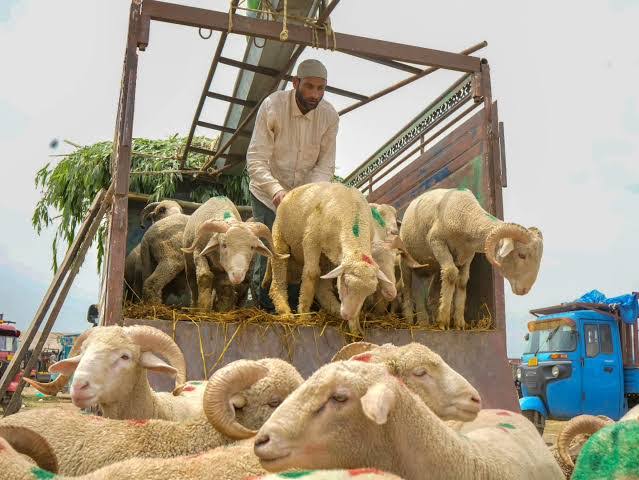
Livestock dealers have officially called off their strike, ending a standoff that had disrupted the movement of sheep and goats into Jammu and Kashmir. The decision is expected to restore the supply chain, replenish butcher shops across the Valley and provide much-needed relief to thousands of consumers, traders and businesses.
The development comes after sustained engagement between the government, trader representatives and civil society members, who urged both sides to resolve the dispute before it caused further economic and cultural damage.
A Deadlock That Brought Kashmir’s Meat Markets to a Standstill
The crisis began when livestock dealers suspended imports into Jammu and Kashmir, protesting issues related to highway transit charges, tolls and enforcement measures affecting trucks transporting animals through Punjab.
Because Kashmir relies heavily on livestock sourced from outside the Union Territory, the strike quickly disrupted the supply chain. Within days, butcher shops in Srinagar and other districts reported dwindling stocks, while mutton prices climbed due to limited availability.
The suspension also affected transporters, wholesalers and retailers, exposing how dependent the Valley’s meat industry is on uninterrupted interstate movement.
Fresh Livestock Supplies Expected to Reach Markets
With the strike withdrawn, livestock transport is expected to resume immediately.
Fresh consignments are likely to begin arriving in Srinagar and other parts of the Valley over the coming days, allowing wholesalers and retailers to rebuild inventories.
While it may take a short period for supply to fully normalize, traders expect:
- Regular livestock movement to resume.
- Butcher shops to restock.
- Market shortages to ease.
- Mutton prices to gradually stabilize as supply improves.
Consumers who have struggled to purchase mutton during the disruption are likely to see improved availability once the new consignments reach local markets.
Government Intervention Helped Break the Impasse
The resolution follows efforts by the Jammu and Kashmir administration to address the concerns raised by livestock dealers.
Chief Minister Omar Abdullah had earlier described the action affecting J&K livestock traders as “unjustified” and urged the Bhagwant Mann-led Punjab government to facilitate the smooth movement of livestock transport vehicles.
Alongside government intervention, appeals from trade bodies and civil society helped create momentum for a negotiated solution, ultimately leading to the withdrawal of the strike.
Although the immediate dispute has been resolved, discussions on long-term policy measures are expected to continue.
Why Kashmir Was Hit So Hard
The crisis once again highlighted a structural weakness in Kashmir’s food supply chain.
Heavy Dependence on External Livestock
Local livestock production meets only a portion of Kashmir’s demand for mutton.
A significant share of sheep and goats consumed across the Valley is transported from outside Jammu and Kashmir through interstate highway networks. Any disruption along these routes immediately affects availability in local markets.
Transit Issues Triggered the Crisis
The dispute centred on concerns raised by livestock dealers over highway-related fees, transit restrictions and enforcement practices affecting animal transport.
As protests intensified, dealers halted imports, triggering shortages throughout Kashmir.
Wazwan and the Wedding Season Felt the Impact
Few food items are as closely linked to Kashmir’s cultural identity as mutton.
The shortage affected not only households but also caterers, restaurants and families preparing for weddings.
Traditional Wazwan feasts, known for signature dishes such as Rogan Josh, Rista, Gushtaba and Tabak Maaz, rely heavily on a steady supply of quality mutton.
Although many events continued, organisers faced higher costs, limited availability and uncertainty over procurement during the height of the crisis.
The restoration of supplies is expected to ease pressure on the hospitality and catering sectors, particularly during the busy wedding season.
₹14 Crore Daily Trade Set to Recover
The Valley’s livestock trade is estimated to be worth nearly ₹14 crore every day, supporting a broad economic network that includes:
- Livestock traders
- Transport operators
- Wholesale distributors
- Retail butchers
- Restaurants and caterers
The resumption of supplies is expected to revive business activity and reduce financial losses suffered during the disruption.
However, traders caution that rebuilding inventories and restoring normal market conditions may take several days.
Lessons From the Crisis
While the strike has ended, the episode has underscored the vulnerability of Kashmir’s food supply system.
Experts say the disruption offers an opportunity to examine long-term solutions, including:
- Expanding local livestock production to reduce dependence on imports.
- Improving interstate coordination for the movement of essential commodities.
- Establishing clear and predictable transit mechanisms for livestock transport.
- Developing contingency plans to prevent prolonged supply disruptions.
Strengthening these areas could help protect both consumers and businesses from similar crises in the future.
Kashmir Mutton Crisis: At a Glance
| Factor | Details | Impact |
|---|---|---|
| Daily Trade Value | Nearly ₹14 crore | Livelihoods and businesses affected |
| Cause of Crisis | Dealer strike over transit issues and highway fees | Livestock imports halted |
| Market Impact | Shortage of mutton across Kashmir | Higher prices and reduced availability |
| Cultural Impact | Wazwan and wedding feasts affected | Public concern and catering challenges |
| Latest Development | Strike withdrawn | Supplies resume and markets begin recovering |
Outlook
The end of the livestock dealers’ strike marks a significant relief for Kashmir’s consumers and businesses. As fresh consignments begin reaching the Valley, markets are expected to stabilize and mutton availability should improve over the coming days.
However, the crisis has also served as a reminder that Kashmir’s dependence on external livestock supplies leaves it vulnerable to disruptions beyond its borders. Policymakers, traders and industry stakeholders now face the broader challenge of building a more resilient supply chain—one that can safeguard livelihoods, support cultural traditions like Wazwan, and ensure uninterrupted access to an essential food commodity.

