Iran Strikes Gulf Energy Sites After South Pars Attack: Global Oil & LNG Crisis Deepens
By: Javid Amin | 20 March 2026
The War Has Shifted to Energy Arteries
The latest escalation marks a decisive shift in the conflict: energy infrastructure is now the primary battlefield.
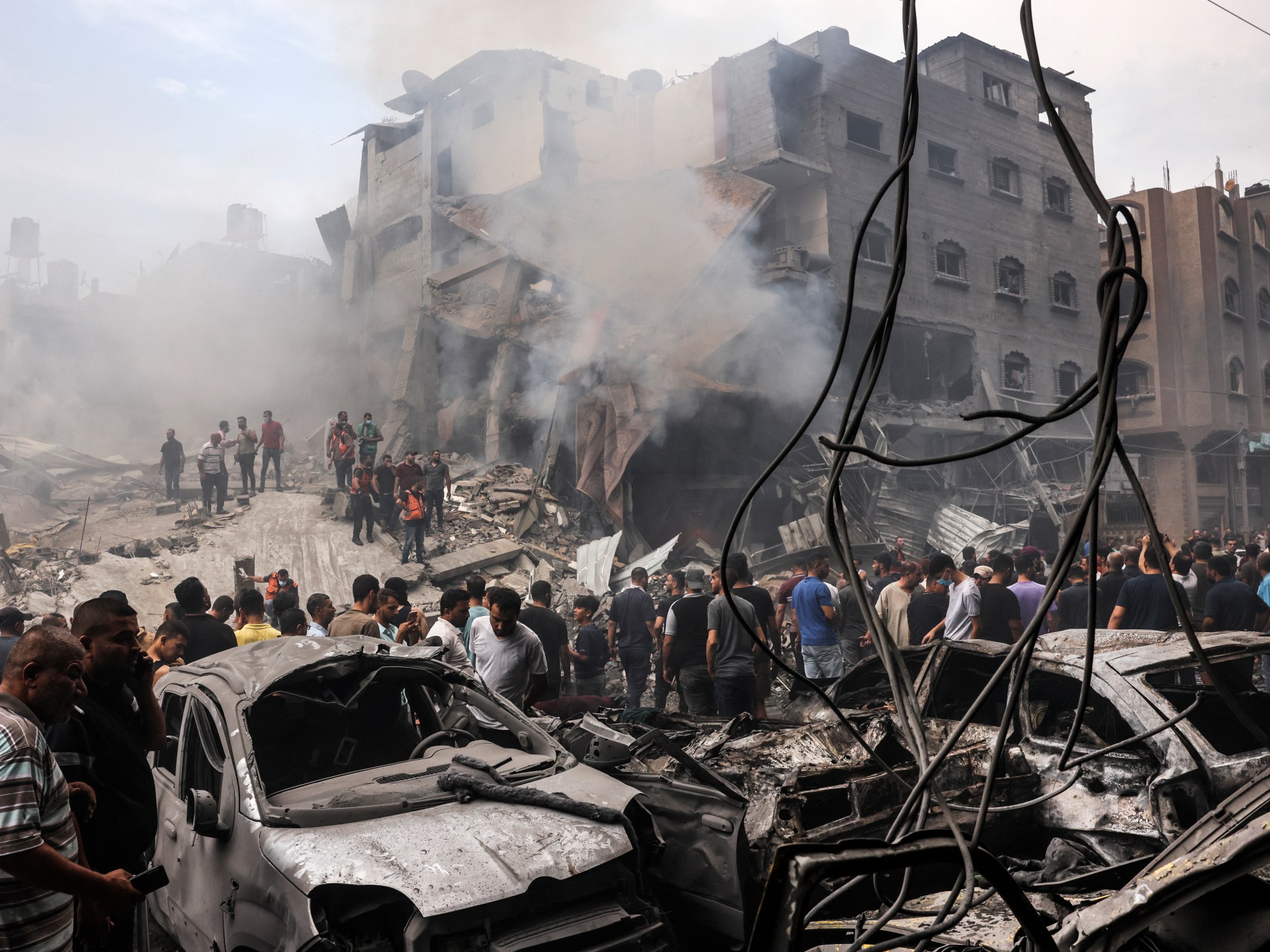
Following strikes on Iran’s South Pars gas field, Tehran has retaliated by targeting critical energy nodes across the Gulf—transforming a military confrontation into a systemic economic war.
What we are witnessing is not just retaliation—it is a calculated move to weaponize global energy dependence.
What Happened: The Latest Escalation
Iran’s Retaliatory Strikes Across the Gulf
In a coordinated response, Iran launched missile and drone attacks targeting key energy assets:
-
LNG infrastructure in Qatar (Ras Laffan)
-
Oil refining capacity in Saudi Arabia (Yanbu)
-
Aerial incursions over the United Arab Emirates, with one strike reaching a foreign military facility in Dubai
These targets are not symbolic—they are core nodes in the global energy supply chain.
Continued U.S.–Israel Strategic Bombing
Meanwhile, Israel and the United States continue a sustained campaign:
-
Strikes on oil storage depots near Tehran
-
Attacks on missile and IRGC-linked infrastructure
-
Ongoing degradation of Iran’s energy logistics
The operational objective remains clear:
Reduce Iran’s ability to sustain long-term warfare
Strait of Hormuz: Disruption Without Full Closure
Shipping disruptions in the Strait of Hormuz are now critical.
While not fully closed, the strait is experiencing:
-
Reduced tanker movement
-
Rising insurance premiums
-
Increased naval tension
This “partial choke” is enough to trigger global price instability.
Strategic Interpretation: What This Means
The War Has Entered the “Economic Phase”
Earlier phases focused on:
-
Leadership decapitation
-
Military infrastructure
Now, the focus is:
Energy → Economy → Global Pressure
This shift dramatically increases the war’s global impact.
Iran’s Strategy: Escalate Horizontally
Iran understands its constraints in direct military confrontation.
Its response strategy is:
-
Expand the battlefield geographically
-
Target economic vulnerabilities
-
Involve multiple regional actors indirectly
By striking Qatar, Saudi Arabia, and the United Arab Emirates, Iran is effectively saying:
“This war will not remain contained.”
Israel–U.S. Strategy: Degrade Core Capacity
The opposing strategy is more conventional and structured:
-
Destroy Iran’s war-making capability
-
Limit missile and nuclear development
-
Maintain escalation dominance
This creates a strategic mismatch:
-
One side seeks control
-
The other seeks disruption
Who Is Winning Now?
Military Dimension
Advantage: Israel–U.S.
-
Precision targeting success
-
Continued air superiority
-
Reduced Iranian infrastructure capability
Economic Dimension
Advantage: Iran (disruptive leverage)
-
Energy markets destabilized
-
LNG exports disrupted
-
Global supply chains under pressure
Strategic Reality
There is no clean winner.
The more the war escalates, the less meaningful “winning” becomes.
Gulf States: The Collateral Core
Countries like:
-
Qatar
-
Saudi Arabia
-
United Arab Emirates
are now central to the conflict—despite not being primary belligerents.
Why they matter:
-
They host critical energy infrastructure
-
They anchor global oil and LNG supply
-
They are geographically exposed
Their dilemma:
-
Defend infrastructure without escalating war
-
Maintain exports under threat
-
Avoid being drawn fully into conflict
Global Energy Shock: The Real Crisis
LNG Crisis Triggered
The hit on Qatar’s Ras Laffan facility has triggered:
-
Suspension or reduction of LNG exports
-
Supply panic in Asia and Europe
-
Spot market price spikes
Oil Market Volatility
With attacks on Saudi refining capacity:
-
Oil supply fears intensify
-
Prices surge rapidly
-
Market confidence weakens
Shipping Risk Multiplier
The Strait of Hormuz disruption amplifies everything:
-
Delayed shipments
-
Increased freight costs
-
Supply uncertainty
Who Suffers Most?
1. Civilians Across the Region
In Israel, Iran, and Gulf states:
-
Missile strikes hitting populated areas
-
Fear, displacement, and disruption
-
Infrastructure damage affecting daily life
2. Energy-Dependent Economies
Highly exposed:
-
India
-
China
-
European economies
Key risks:
-
Fuel price inflation
-
LNG shortages
-
Industrial slowdown
3. Global Economy
-
Inflationary pressure rising
-
Trade costs increasing
-
Financial markets volatile
India: A Frontline Economic Casualty
For India, the consequences are immediate and structural.
Energy Dependence
-
~85% crude import reliance
-
Heavy LNG dependence on Qatar
Impact Channels
Fuel Inflation
Rising petrol and diesel prices feed into all sectors.
Fertilizer & Agriculture
Gas shortages affect urea production → food inflation.
Industry
Higher energy costs reduce competitiveness.
Households
LPG and electricity costs rise sharply.
The Bigger Picture: A War That Cannot Stay Local
This conflict is now:
Regional in geography, global in consequence
Key transformations underway:
1. Energy as a Weapon
Infrastructure is now a primary target.
2. Economic Warfare
Markets and supply chains are part of the battlefield.
3. Multipolar Tension
Global powers are reacting differently, not collectively.
What Happens Next?
Scenario 1: Controlled Escalation
Strikes continue but remain limited.
Scenario 2: Gulf War Expansion
More energy infrastructure targeted; exports collapse further.
Scenario 3: Hormuz Shutdown
Full disruption → global recession risk.
Scenario 4: Forced Diplomacy
Economic pressure compels ceasefire talks.
Final Strategic Takeaway
The latest escalation confirms a critical shift:
This is no longer just a military war—it is an energy war with global consequences.
-
Israel/U.S. dominate the battlefield
-
Iran disrupts the global system
-
Gulf states absorb economic shock
-
The world economy feels the impact
And the most important reality:
The longer this continues, the harder it becomes to contain—not militarily, but economically.