Iran Expands Retaliation Beyond Hormuz as Missiles Target US Bases Across Gulf Region
By: Javid Amin | 10 June 2026
The conflict between the United States and Iran entered one of its most dangerous stages yet on Wednesday after Tehran launched missile and drone attacks against American military installations across the Gulf region and Jordan.
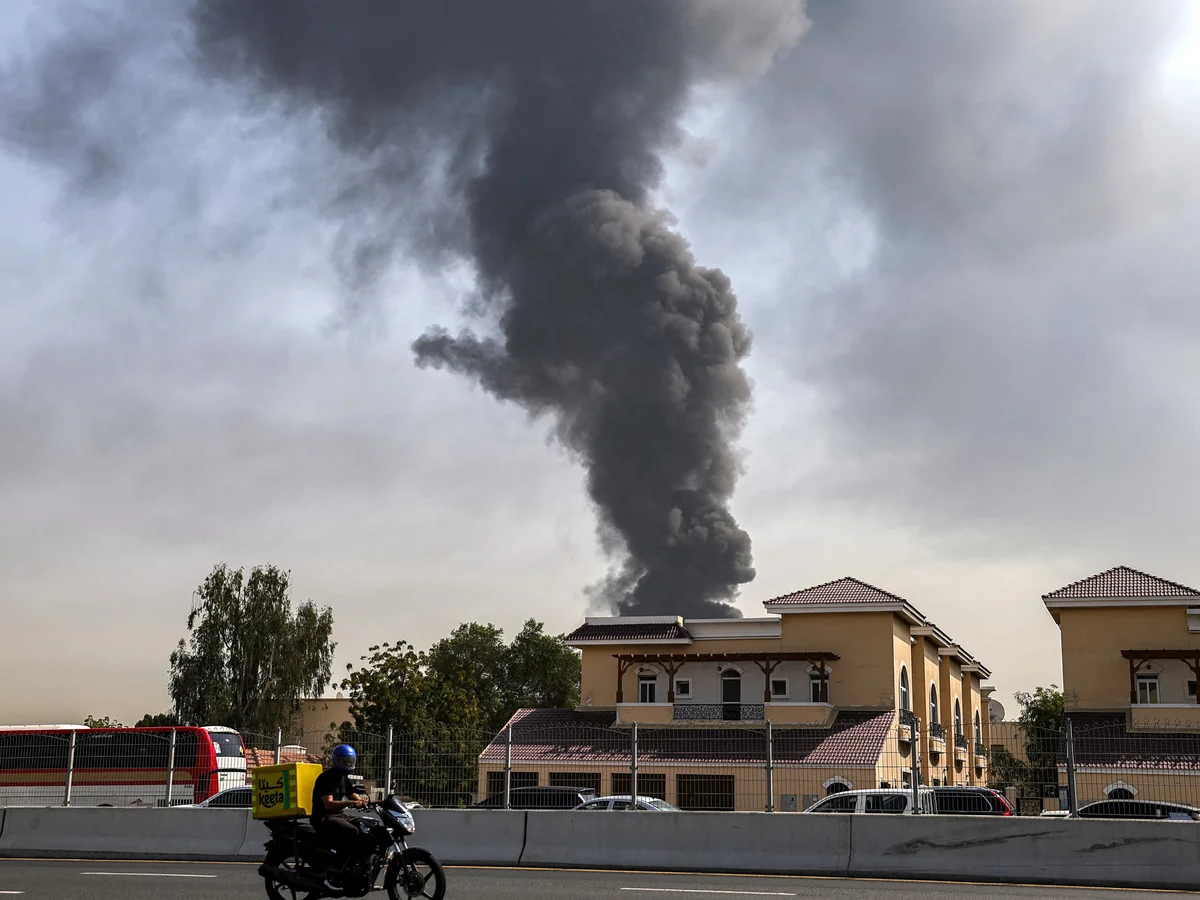
Air-raid sirens echoed across multiple Gulf capitals, missile-defense systems were activated, and residents reported explosions in the skies as regional militaries scrambled to intercept incoming threats.
The attacks came just hours after fresh American military strikes against Iranian targets near the Strait of Hormuz, signaling that the fragile ceasefire which had held intermittently since April is now effectively collapsing.
The latest escalation has intensified fears that a conflict once centered on maritime security and proxy confrontations could evolve into a broader regional war involving multiple states.
Iran Launches Coordinated Missile and Drone Offensive
According to Iranian state-linked announcements and reports from international agencies, the Islamic Revolutionary Guard Corps (IRGC) launched a coordinated barrage of missiles and drones targeting American military facilities in Jordan, Bahrain, and Kuwait.
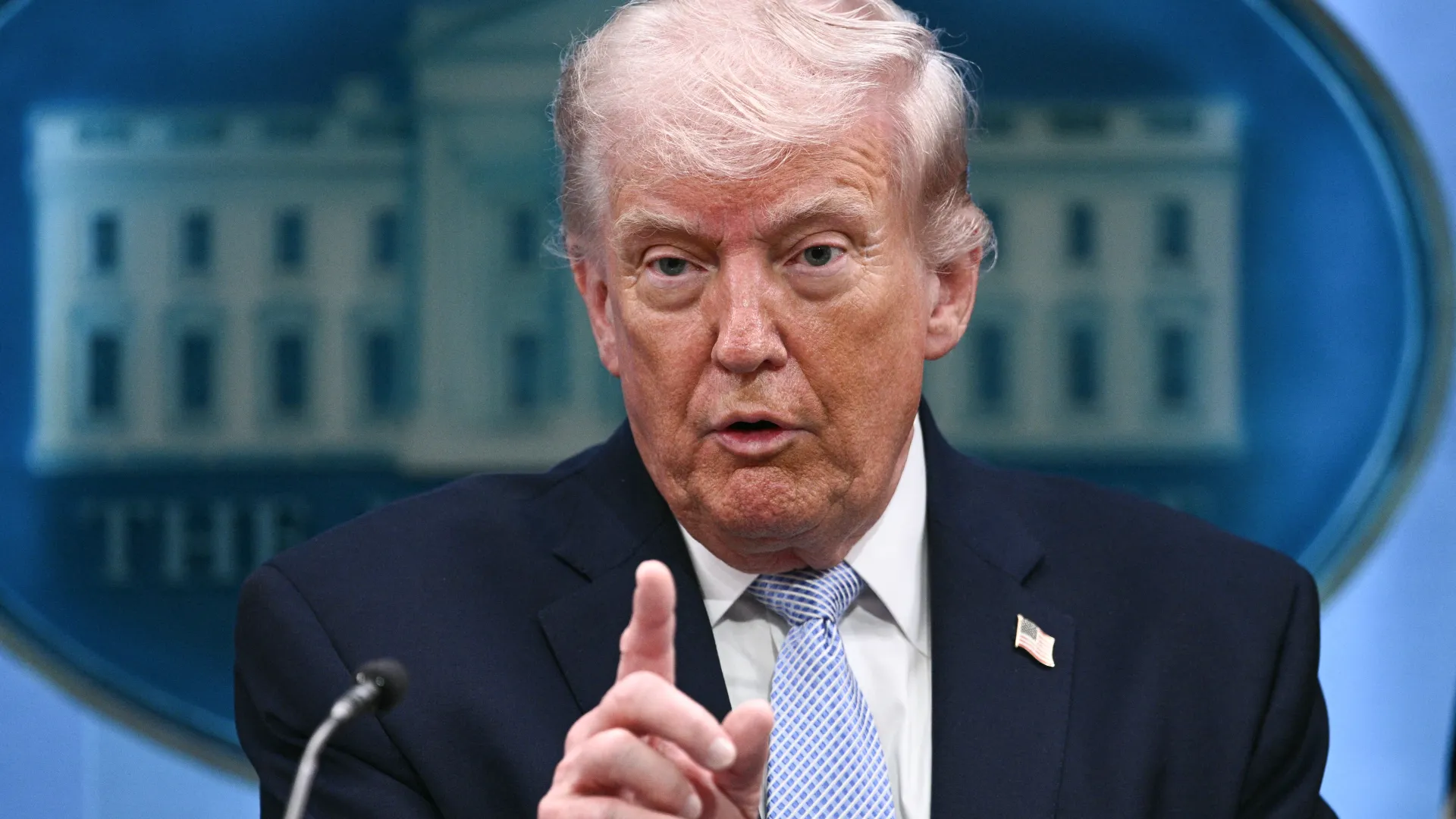
Iran described the operation as retaliation for recent U.S. strikes ordered by President Donald Trump against Iranian military infrastructure near the Strait of Hormuz.
Among the reported targets was Muwaffaq Salti Air Base in Jordan, a facility that hosts American aircraft and military personnel. Jordanian authorities confirmed that several incoming missiles were intercepted before reaching their targets. Initial reports indicated no casualties.
Iranian officials also claimed strikes against facilities associated with the U.S. Fifth Fleet in Bahrain and military installations in Kuwait. Most incoming projectiles were reportedly intercepted by U.S. and allied defense systems.
Sirens Sound Across Gulf Capitals
Residents in Bahrain, Kuwait and other Gulf states reported hearing warning sirens and explosions overnight as air-defense systems engaged incoming threats.
Authorities in several countries activated emergency protocols, urging residents to remain alert and follow official safety instructions.
While dramatic scenes unfolded across the region, preliminary military assessments suggested that many missiles and drones were intercepted before causing significant damage. Officials continued to evaluate the situation as debris recovery and security operations remained underway.
The events highlighted the vulnerability of Gulf states situated between Iran and major U.S. military facilities.
Jordan Drawn Closer to the Conflict
One of the most significant developments was Iran’s decision to target a military installation in Jordan.
Although Jordan has previously participated in regional air-defense operations, direct Iranian attacks against facilities on Jordanian territory represent a major escalation.
Security analysts warn that expanding the geographic scope of the conflict increases the risk of regional spillover and complicates diplomatic efforts aimed at containing hostilities.
Jordan remains a key U.S. security partner and hosts strategic military assets critical to American operations across the Middle East. A sustained campaign targeting Jordanian territory could fundamentally alter the regional security landscape.
How the Latest Escalation Began
The current round of violence was triggered by new U.S. military action near the Strait of Hormuz.
According to American officials, U.S. forces carried out strikes against Iranian military positions following an incident involving the loss of an American Apache helicopter during operations near the strategic waterway.
Washington described the strikes as defensive and necessary to protect regional security and maritime navigation.
Tehran viewed the operation differently, accusing the United States of violating understandings reached during previous ceasefire negotiations and vowing a forceful response.
The result was the largest direct exchange between the two countries in weeks.
Oil Markets React as Energy Security Fears Return
Global energy markets reacted quickly to the renewed fighting.
Oil prices rose as traders assessed the growing risk of prolonged instability around the Strait of Hormuz, one of the world’s most important energy corridors.
The waterway remains critical to global energy supplies, carrying a substantial portion of internationally traded oil and liquefied natural gas.
Market participants fear that sustained military escalation could further disrupt shipping routes, increase insurance costs, and tighten global energy supplies. Analysts have repeatedly warned that prolonged disruption in the region could push crude prices significantly higher.
However, reports differ regarding exact price levels, and market conditions remain highly volatile.
Diplomatic Efforts Appear Frozen
The latest attacks represent a severe setback for diplomatic efforts.
Recent negotiations aimed at preserving a ceasefire and reopening broader discussions on regional security now appear stalled.
Iran has reiterated demands related to sanctions relief, regional security guarantees, and maritime access, while Washington continues to insist on security commitments and limits on Iranian military activities.
With missiles now flying across multiple countries, prospects for an immediate return to negotiations appear increasingly remote.
Key Developments at a Glance
| Event | Details | Strategic Impact |
|---|---|---|
| Iranian Retaliation | Missiles and drones launched toward US-linked facilities | Major escalation in conflict |
| Jordan Targeted | Muwaffaq Salti Air Base reportedly attacked | Conflict expands geographically |
| Gulf Air Defenses Activated | Bahrain and Kuwait engaged interception systems | Regional security alert raised |
| US Response | Monitoring damage assessments and force protection | Potential for further military action |
| Oil Market Reaction | Energy prices rise on supply fears | Global economic implications |
What Happens Next?
The coming days could prove decisive for the future of the conflict.
Three risks dominate current assessments:
1. Regional Expansion
If additional countries become direct targets, the conflict could spread well beyond the Gulf.
2. Energy Market Disruption
Any sustained threat to shipping around the Strait of Hormuz could create fresh shocks for global oil markets and supply chains.
3. Diplomatic Collapse
With both sides escalating militarily, opportunities for renewed negotiations continue to shrink.
For now, military planners, diplomats, and financial markets are watching the same question: whether this latest exchange remains a limited retaliation cycle—or becomes the opening phase of a much wider regional confrontation.
The answer may shape not only Middle East security but also global economic stability for months to come.