Iran–US War Latest News: Israel Strikes Tehran, US Role in Airstrikes Raises Fears of Regional War
By: Javid Amin | 28 February 2026
Iran–US War Latest: Is the Middle East on the Brink of a Full-Scale Regional Conflict?
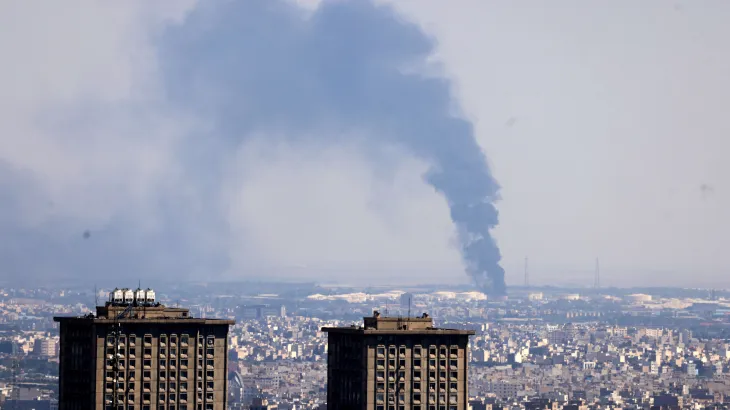
The Middle East stands at one of its most volatile crossroads in years. In a dramatic escalation, Israel has confirmed launching a wave of airstrikes and missile attacks on Tehran, describing them as a “preemptive” operation against high-value Iranian military and intelligence assets. Explosions were reported across the Iranian capital, while air raid sirens sounded in Israel amid fears of immediate retaliation.
What has made the situation even more explosive is a report, attributed to a U.S. official speaking to Al Jazeera, suggesting American forces participated in the strikes. If verified, this would mark the most direct military confrontation between Iran and the United States in recent years.
As of February 28, 2026, no formal declaration of war has been issued by any party. However, the developments have triggered emergency meetings at the United Nations, sent oil prices soaring, and put regional actors—including Hezbollah and Gulf states—on high alert.
This is the latest in a chain of escalating tensions that have steadily intensified since 2023.
What Happened in Tehran? The Airstrikes Explained
Israel Calls It a “Preemptive Strike”
Israeli Defense Minister Israel Katz publicly confirmed the attack, describing it as a necessary move to neutralize “immediate threats” to Israeli national security. According to Israeli officials, targets included:
-
Military intelligence facilities
-
IRGC-linked infrastructure
-
Missile command centers
-
Alleged nuclear development-related sites
Tehran residents reported multiple explosions across different districts, with Iranian state media acknowledging impacts but downplaying structural damage.
Israel declared a nationwide state of emergency shortly after the strikes, urging civilians to remain near bomb shelters.
Iran’s Immediate Reaction
Iranian officials confirmed the explosions and signaled that retaliation was “inevitable.” State-linked outlets framed the attack as an act of aggression backed by Washington.
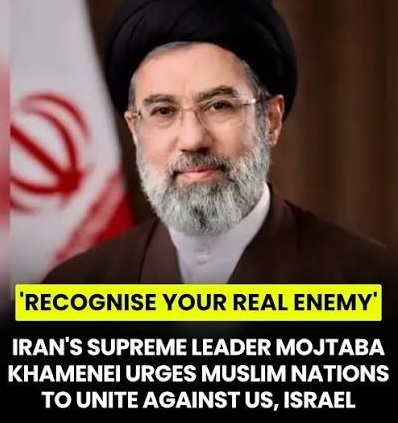
Supreme Leader Ali Khamenei has not yet delivered a full televised address, but senior Revolutionary Guard commanders have vowed a “proportional and decisive” response.
Military analysts believe Iran has multiple retaliation options:
-
Direct missile strikes on Israeli cities
-
Attacks via Hezbollah from Lebanon
-
Drone strikes targeting US bases in Iraq or Syria
-
Escalation in the Red Sea through Houthi-aligned forces
Did the United States Participate?
A U.S. official, cited by Al Jazeera, suggested American forces were involved in the strikes. However, Washington has not issued a detailed public operational briefing.
If confirmed, U.S. participation would fundamentally shift the geopolitical landscape. It would represent:
-
A transition from proxy confrontation to direct engagement
-
A collapse of diplomatic channels
-
A possible trigger for Iranian retaliation against American bases in the Gulf
The White House has maintained that it supports Israel’s right to self-defense. Yet, no formal declaration of war exists between Washington and Tehran.
Timeline: Iran–Israel–US Escalation (2023–2026)
Understanding the current crisis requires a look at how tensions accumulated over three years.
2023: Nuclear Concerns and Covert Operations
Iran resumed uranium enrichment beyond limits established under the Joint Comprehensive Plan of Action. Western governments expressed alarm.
During the same period:
-
Israel reportedly intensified cyber operations.
-
Iranian nuclear scientists were allegedly targeted in covert actions attributed to Mossad.
The shadow war was active—but deniable.
2024: Sanctions and Strategic Realignments
The United States imposed sweeping sanctions targeting Iran’s oil exports and drone programs. In response:
-
Iran deepened military ties with Russia and China.
-
Joint naval drills were conducted in the Gulf.
-
Tehran expanded its ballistic missile testing program.
The diplomatic temperature rose steadily.
2025: Proxy Wars Expand
The Red Sea became a flashpoint. Iran-backed Houthis targeted shipping lanes, disrupting global trade. Israel and U.S. forces conducted retaliatory naval operations.
A senior IRGC commander was killed in Syria in what was widely attributed to Israeli action, though never officially acknowledged. Tehran vowed revenge.
January 2026: Talks Collapse
Negotiations between Washington and Tehran over nuclear and ballistic missile restrictions broke down.
Iran conducted long-range missile tests capable of reaching Israel.
Israeli leaders warned that “all options remain on the table.”
February 2026: The Strike on Tehran
The cycle culminated in Israel’s airstrikes on Tehran.
This marked the most overt Israeli military action on Iranian soil in recent memory.
Why This Is Different From Previous Escalations
Three factors distinguish this crisis from earlier episodes:
1. Direct Territorial Strike on Tehran
Strikes reportedly occurred in or near the Iranian capital itself—not just in Syria or Iraq.
2. Possible U.S. Military Participation
If American forces were directly involved, Iran may consider it an act of war.
3. Collapse of Diplomacy
With negotiations already stalled, there is no immediate diplomatic safety valve.
Regional Fallout: Who Gets Pulled In?
Hezbollah Factor
Hezbollah in Lebanon remains one of Iran’s most powerful regional allies. An escalation from Lebanon would open a northern front for Israel.
Gulf States on Alert
Saudi Arabia, UAE, and Qatar are monitoring the situation closely. Oil infrastructure could become a target if Iran seeks economic leverage.
Iraq and Syria
U.S. military bases in Iraq and eastern Syria are vulnerable to drone or rocket attacks by Iran-aligned militias.
Global Impact: Oil, Markets, and the UN
Oil Prices Surge
Following news of the strikes, crude oil prices spiked sharply amid fears of supply disruptions through the Strait of Hormuz.
Energy analysts warn:
-
Shipping insurance premiums may rise.
-
Inflationary pressure could return globally.
-
Asian economies dependent on Gulf oil may face immediate risk.
UN Security Council Emergency Session
The United Nations Security Council has convened an emergency meeting.
China and Russia are calling for restraint. Western nations are urging de-escalation but remain divided over Israel’s justification.
No ceasefire framework has been proposed yet.
The Gaza War Connection
The escalation occurs against the backdrop of Israel’s prolonged military campaign in Gaza.
Prime Minister Benjamin Netanyahu has faced mounting international pressure over civilian casualties in Gaza. Critics argue the Tehran strike may be partly strategic messaging—to demonstrate deterrence beyond Gaza.
Iran has positioned itself as a vocal supporter of Palestinian factions, deepening the confrontation’s ideological dimension.
Is This the Start of an Iran–US War?
As of now:
-
There is no formal declaration of war.
-
There is no confirmation of sustained U.S. offensive operations beyond the reported strike.
-
Iran has not yet launched major retaliation.
However, escalation dynamics are unpredictable.
Military strategists warn of a “ladder escalation effect,” where limited strikes trigger disproportionate counterstrikes, drawing in additional actors.
What Happens Next? Possible Scenarios
Scenario 1: Limited Retaliation
Iran launches calibrated strikes, avoiding full-scale war but preserving deterrence.
Scenario 2: Proxy Escalation
Hezbollah or Iraqi militias attack Israeli or U.S. assets, widening the battlefield indirectly.
Scenario 3: Regional War
Direct Iranian missile strikes on Israel followed by sustained U.S. involvement.
Scenario 4: Emergency Diplomacy
Backchannel negotiations via Oman, Qatar, or Turkey de-escalate tensions.
What This Means for India
India maintains strong ties with both Israel and Iran.
-
Israel is a major defense partner.
-
Iran is strategically important for energy and connectivity projects like Chabahar Port.
A prolonged Iran–US war could:
-
Spike India’s energy import costs.
-
Disrupt Gulf remittances.
-
Complicate India’s diplomatic balancing act.
New Delhi has not yet issued a strong statement but is likely monitoring the situation closely.
Conclusion: A Precarious Moment in Global Politics
The airstrikes on Tehran mark a dangerous inflection point.
What began as a shadow war has stepped into open confrontation. Whether this becomes a limited exchange or spirals into a regional conflict depends on decisions made in the coming hours—not days.
The Middle East has entered a period of extreme strategic uncertainty.
The world is watching.