US–Iran Tensions Escalate as Trump Floats Islamabad Talks Amid Blockade Claims
By: Javid Amin | 15 April 2026
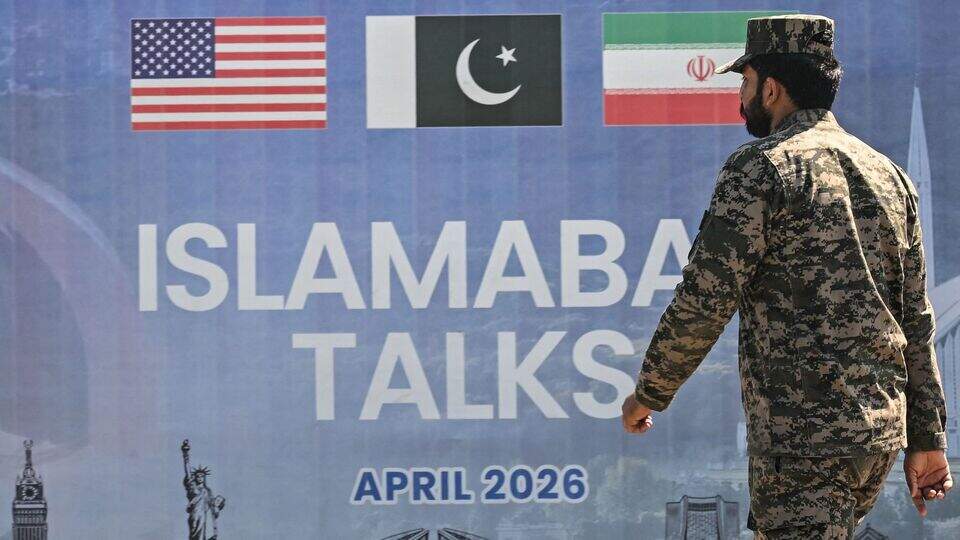
In a rapidly evolving geopolitical situation, Donald Trump has indicated that a second round of high-stakes negotiations with Iran could take place in Islamabad within days—signaling a possible diplomatic opening even as military tensions intensify.
The remarks, reported by The New York Post and Fox News, come against the backdrop of a reported US naval blockade targeting Iranian maritime activity, raising the stakes across the Gulf region.
What Trump Said: A Diplomatic Window Opens?
Trump suggested momentum was building toward renewed dialogue:
- Talks could resume “within the next two days”
- Likely venue: Islamabad
- Credited Pakistan’s military leadership, especially Asim Munir, for facilitating progress
According to Trump, “all the ingredients of a deal” are present—though key sticking points remain unresolved, particularly around Iran’s nuclear program.
Ground Situation: Naval Blockade and Military Build-Up
Key Reported Developments
- US forces claimed to have blocked vessels linked to Iranian ports
- Deployment includes 100+ aircraft and 18 warships
- Over 10,000 US personnel reportedly involved
- Several commercial vessels allegedly turned back under US direction
CENTCOM has stated the operation is being applied “impartially”, targeting all vessels entering or exiting Iranian-controlled maritime zones.
Strategic Flashpoint: Strait of Hormuz
- Carries roughly 20% of global oil shipments
- Any disruption risks global energy price shocks
- Remains a critical chokepoint in US–Iran tensions
Reality Check: Claims vs Verifiable Ground Facts
While US media reports describe a “blockade,” it is important to distinguish between:
Confirmed Patterns
- Increased US naval presence in the Gulf
- Heightened surveillance and maritime monitoring
- Ongoing US–Iran diplomatic friction
Unverified / Contested Claims
- Full-scale blockade of Iranian ports (rare and legally complex under international law)
- Extent of vessel interdictions remains unclear
- Iran has not officially acknowledged compliance or retreat
Analysts caution that language like “blockade” may be strategic signaling, rather than a formally declared act under international maritime law.
Diplomatic Deadlock: Why Talks Failed Earlier
The first round of marathon talks in Islamabad reportedly lasted over 20 hours, ending without agreement.
Core Dispute
- US demand: Iran must limit or abandon uranium enrichment
- Iran’s position: Enrichment is a sovereign right under nuclear agreements
This deadlock mirrors earlier breakdowns in nuclear negotiations, including tensions surrounding the Joint Comprehensive Plan of Action.
Pakistan’s Emerging Role as Mediator
Pakistan’s involvement is gaining attention as a potential diplomatic bridge.
Why Islamabad Matters
- Maintains working ties with both Washington and Tehran
- Strategic location near Gulf and Central Asia
- Military leadership seen as influential in backchannel diplomacy
Trump’s explicit praise of Asim Munir suggests military-led diplomacy may be playing a quiet but critical role.
Global Implications: النفط, Security & الأسواق
The situation has immediate and far-reaching consequences:
Energy Markets
- النفط (oil) prices remain sensitive to Hormuz disruptions
- الأسواق (markets) reacting cautiously to escalation signals
Security Risks
- خطر (risk) of naval confrontation
- Potential spillover into regional conflicts
Diplomacy vs Escalation
- Parallel tracks: talks + military pressure
- संकेत of a coercive negotiation strategy by Washington
Timeline of Recent Developments
- Weekend: 21-hour US–Iran talks in Islamabad fail
- Post-talks: US signals tougher stance on maritime access
- Next 24 hours: Reports emerge of naval enforcement actions
- Tuesday: Trump hints at renewed talks within 48 hours
Strategic Analysis: Deal or दबाव (Pressure)?
This moment reflects a classic geopolitical pattern:
Negotiation under pressure
The US appears to be combining:
- Military signaling (naval presence)
- Economic leverage (maritime restrictions)
- Diplomatic outreach (Islamabad talks)
For Iran, the calculus is equally complex:
- Resist pressure to maintain sovereignty
- Avoid escalation that harms economy
- Keep diplomatic channels open
Conclusion: A Fragile Window for De-escalation
The coming days could prove निर्णायक (decisive).
If talks in Islamabad materialize, they may:
- Reopen a stalled diplomatic channel
- Reduce immediate military risks
- Lay groundwork for a broader nuclear understanding
However, the parallel escalation at sea underscores a volatile reality:
This is not just diplomacy—it is diplomacy under the shadow of القوة (force).