Trump Declares Iran War Over, Signals Peace Deal as Gulf Tensions Ease
By: Javid Amin | 12 June 2026
Trump Declares Hostilities Over as US-Iran Conflict Takes Unexpected Diplomatic Turn
After months of military confrontation, missile exchanges, sanctions battles, and fears of a wider Middle East war, U.S. President Donald Trump has announced what could become one of the most consequential diplomatic reversals of his presidency.
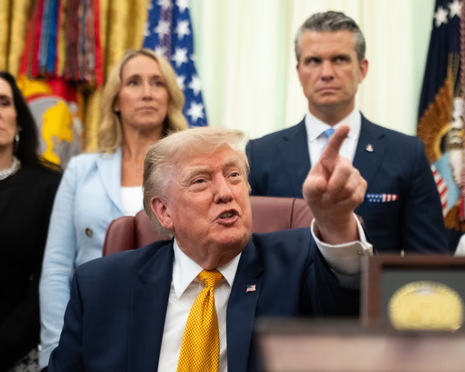
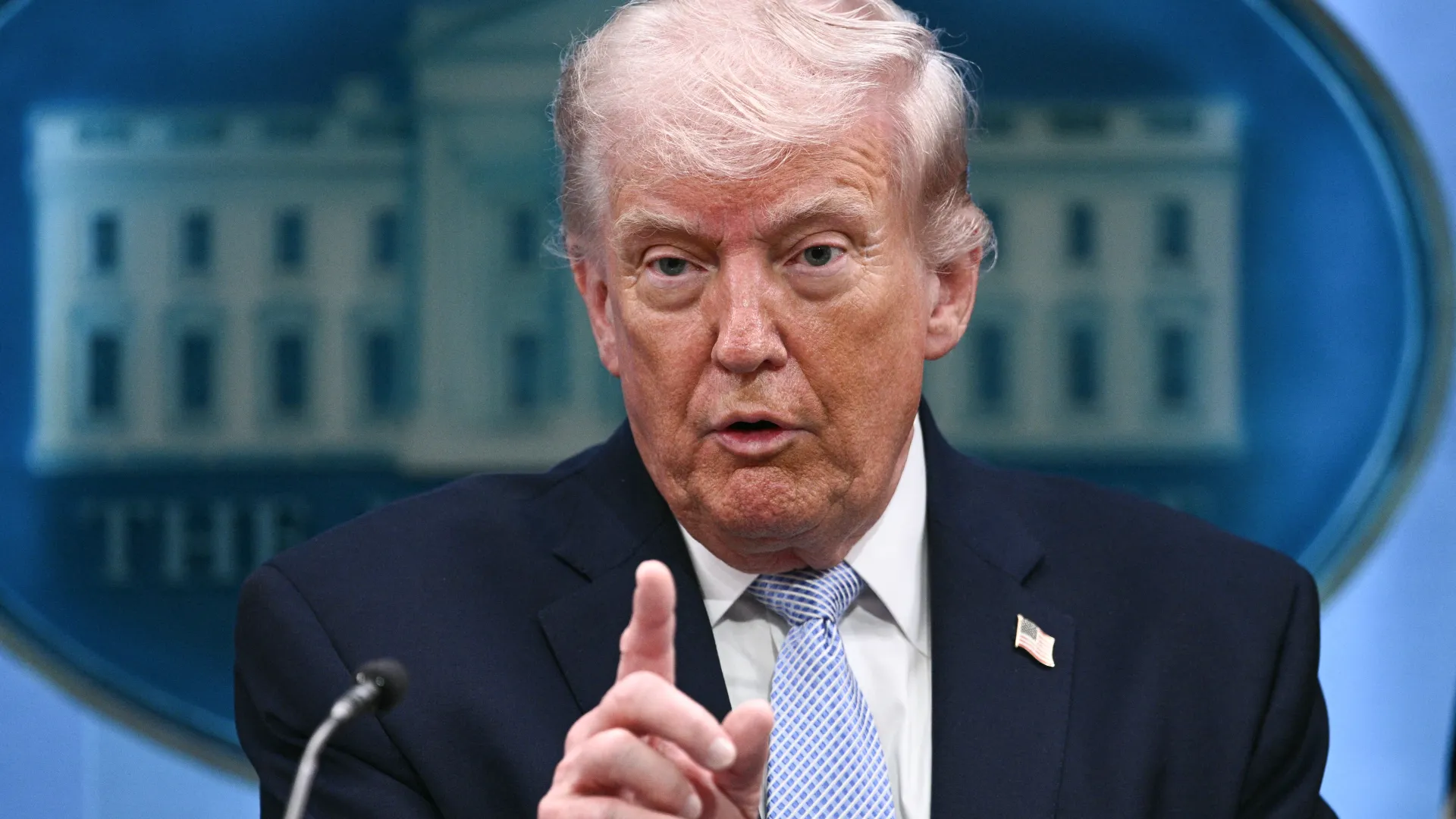
Trump declared that active hostilities between the United States and Iran have effectively ended and suggested that a formal peace agreement could be finalized by the weekend.
The announcement comes after a period of extraordinary volatility that saw direct military strikes, threats to shipping routes in the Strait of Hormuz, soaring oil prices, and growing concerns that the region was moving toward a broader conflict.
Now, the White House is presenting a very different message: negotiation over confrontation, diplomacy over escalation, and stability over uncertainty.
Whether this marks the beginning of a lasting settlement or merely a temporary pause remains one of the most important geopolitical questions facing the international community.
A Remarkable Shift in Tone
Only weeks ago, Washington and Tehran appeared locked in a dangerous cycle of retaliation.
American military operations targeted Iranian radar systems, drone facilities, and military infrastructure, while Tehran responded with missile and drone attacks against U.S.-linked military installations across the region.
The Strait of Hormuz emerged as the focal point of the crisis, with fears that disruption to one of the world’s most important energy corridors could trigger global economic repercussions.
Against that backdrop, Trump’s declaration represents a dramatic shift.
Instead of emphasizing deterrence and military pressure, the administration is now highlighting ceasefire arrangements, diplomatic channels, and the possibility of a broader political settlement.
The contrast between recent military rhetoric and today’s peace messaging illustrates the fluid nature of international diplomacy, particularly in the Middle East.
What Trump Actually Announced
According to the president, active military hostilities have ceased and negotiators are working toward a broader framework that could formalize de-escalation between Washington and Tehran.
Trump expressed confidence that an agreement could emerge within days, describing ongoing discussions as constructive and suggesting that both sides now recognize the costs of continued confrontation.
While details remain limited, the announcement signals that back-channel diplomacy and regional mediation efforts may have gained momentum after weeks of crisis management.
However, officials have yet to publicly release a comprehensive agreement outlining obligations, verification mechanisms, or implementation timelines.
As a result, many analysts remain cautious until concrete details emerge.
Iran Signals Conditional Openness
Tehran has responded with measured optimism rather than outright endorsement.
Iranian officials have indicated a willingness to engage diplomatically, but only under specific conditions.
Among the key issues reportedly under discussion are:
Sanctions Relief
Iran continues to seek meaningful economic relief from sanctions that have constrained trade, investment, and energy exports.
Recognition of Sovereignty
Tehran insists that future arrangements must respect Iran’s territorial integrity and political independence.
Regional Security Guarantees
Iranian negotiators are believed to be seeking assurances regarding future military operations and regional security architecture.
These demands have long formed the foundation of Iran’s negotiating position and remain central to any potential breakthrough.
Gulf States Welcome a Chance to Breathe
Across the Gulf region, reactions have been cautiously positive.
Governments that spent months preparing for missile threats, maritime disruptions, and regional instability are eager to see tensions reduced.
For countries whose economies depend heavily on trade, energy exports, and investor confidence, stability in the Gulf is not merely a security issue—it is an economic necessity.
Officials throughout the region are expected to monitor negotiations closely while continuing to maintain elevated security readiness until a formal agreement is reached.
The memory of recent escalations remains fresh, making regional leaders reluctant to declare victory prematurely.
Why the Strait of Hormuz Remains Central
Even as diplomacy gains momentum, the Strait of Hormuz remains at the heart of the geopolitical equation.
The narrow waterway serves as one of the world’s most important energy transit routes.
Any threat to maritime traffic immediately affects energy markets, shipping insurance rates, and investor sentiment.
Throughout the recent crisis, concerns about disruptions in Hormuz repeatedly pushed oil prices higher and increased volatility across financial markets.
The possibility of a lasting diplomatic settlement therefore carries implications far beyond the Middle East.
A stable Hormuz benefits energy consumers, producers, shipping companies, and global markets alike.
Oil Markets Respond With Cautious Optimism
Financial markets have reacted positively to signs of de-escalation.
Energy traders view reduced tensions as a potential safeguard against supply disruptions that had threatened global oil flows.
The prospect of uninterrupted shipping through Gulf waters has eased some immediate concerns, helping stabilize market sentiment.
However, analysts caution that markets remain highly sensitive to developments on the ground.
Any breakdown in negotiations or renewed military exchange could quickly reverse recent gains.
For now, investors appear encouraged by the possibility that diplomacy may finally be replacing confrontation.
Trump’s Foreign Policy Style on Display
The latest development also highlights a defining characteristic of Trump’s approach to international affairs.
Throughout his political career, Trump has often combined aggressive pressure tactics with sudden diplomatic openings.
Supporters describe the strategy as pragmatic deal-making designed to maximize leverage before negotiations.
Critics argue that abrupt shifts create uncertainty and make long-term policy planning more difficult.
Regardless of perspective, the Iran announcement fits a familiar pattern: intense pressure followed by an unexpected diplomatic pivot.
The effectiveness of that approach will ultimately depend on whether a durable agreement emerges from current discussions.
Key Developments at a Glance
| Phase | Development | Impact |
|---|---|---|
| Military Escalation | Strikes, missile attacks, regional tensions | Heightened risk of wider conflict |
| Ceasefire Phase | Hostilities reportedly paused | Reduced immediate military threat |
| Diplomatic Outreach | Peace discussions accelerated | Opportunity for broader settlement |
| Regional Response | Gulf states welcome de-escalation | Increased optimism but continued caution |
| Market Reaction | Oil volatility eases | Relief for global energy markets |
Challenges Still Ahead
Despite the optimism surrounding Trump’s announcement, significant hurdles remain.
Trust Deficit
Years of confrontation have left both sides deeply skeptical of each other’s intentions.
Verification Questions
Any agreement will require mechanisms to ensure commitments are honored.
Regional Dynamics
Issues involving Israel, Lebanon, Gulf states, and allied armed groups remain unresolved.
Domestic Political Pressures
Leaders in both Washington and Tehran face political constituencies that may resist compromise.
These challenges mean that even a successful ceasefire is only the first step toward a broader normalization process.
The Bigger Picture
If a peace agreement materializes, it could become one of the most significant diplomatic developments in the Middle East in recent years.
A successful settlement would reduce the risk of direct conflict between the United States and Iran, stabilize energy markets, ease pressure on Gulf states, and create new opportunities for regional dialogue.
Yet history offers a note of caution.
The Middle East has seen numerous ceasefires and diplomatic breakthroughs that ultimately failed to produce lasting peace.
For now, the region stands at a crossroads.
One path leads back toward confrontation and uncertainty.
The other points toward negotiation, economic stability, and a potential reshaping of U.S.-Iran relations.
Whether Trump’s latest diplomatic pivot becomes a historic breakthrough or merely a temporary pause will depend on what happens in the days ahead.