US-Iran Ceasefire Deal Defuses Months of Deadlock, Historic Agreement Set for Geneva Signing on June 19
By: Javid Amin | 15 June 2026
Landmark Breakthrough Signals New Chapter in Middle East Diplomacy
In what could become one of the most consequential diplomatic breakthroughs of recent years, the United States and Iran have finalized a ceasefire agreement designed to end months of military confrontation across West Asia and restore stability to one of the world’s most strategically important regions.
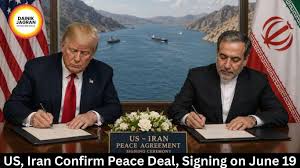
The agreement, announced by U.S. President Donald Trump and later confirmed by senior Iranian officials, is scheduled to be formally signed in Geneva, Switzerland, on June 19. If successfully implemented, the accord could reshape regional security dynamics, restore confidence in global energy markets, and reduce the risk of a broader conflict that had threatened to engulf multiple countries across the Middle East.
The breakthrough comes after months of escalating tensions, military strikes, maritime disruptions, and intense diplomatic negotiations involving several regional and international actors.
Trump Announces Completion of Agreement
President Donald Trump declared that Washington and Tehran had successfully finalized the deal, describing it as a major diplomatic victory and a turning point for regional peace.
In a message posted on his Truth Social platform, Trump announced the immediate removal of restrictions affecting maritime traffic through the Strait of Hormuz and authorized the end of the U.S. naval blockade that had become a major point of contention during the crisis.
According to Trump, the agreement will allow commercial shipping and oil exports to resume normal operations, a development expected to provide relief to global energy markets that have faced months of uncertainty.
The U.S. president portrayed the accord as a historic achievement that previous administrations had failed to secure, arguing that the agreement could establish a durable framework for peace and security throughout the region.
Iran Confirms Deal but Remains Cautious
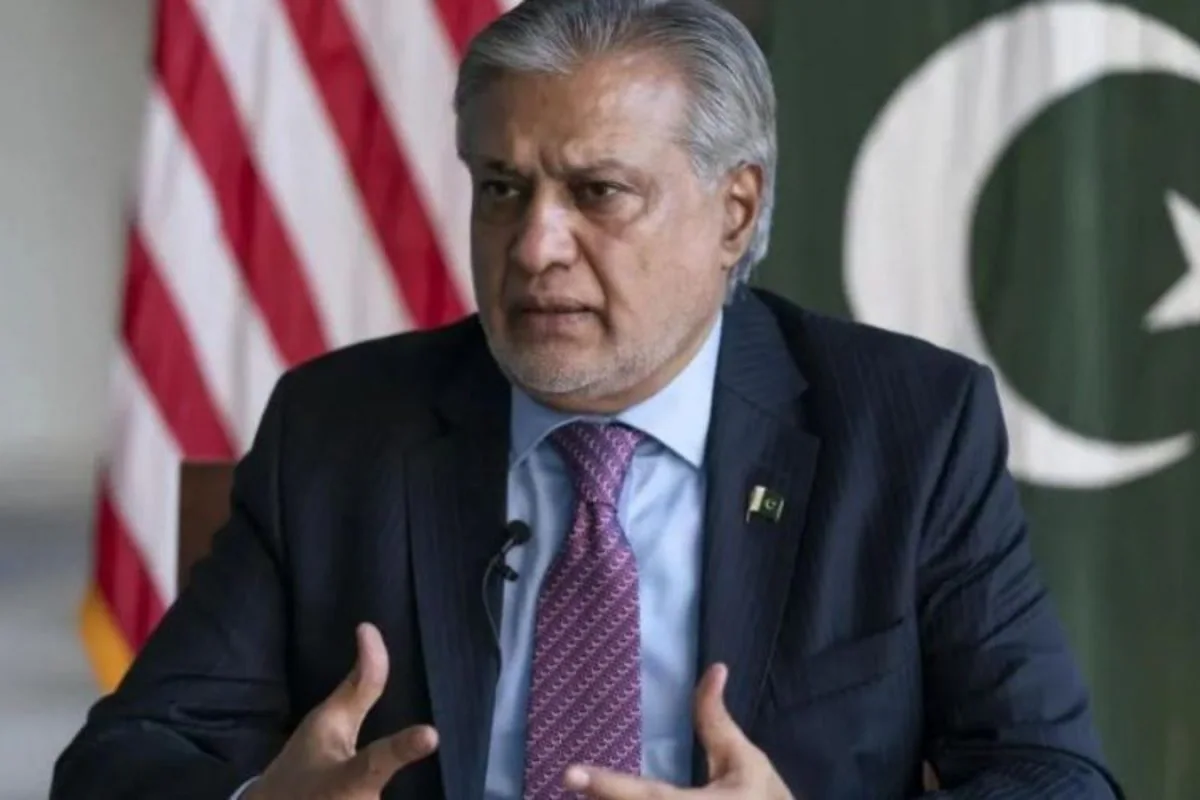
Iranian Deputy Foreign Minister Kazem Gharibabadi confirmed that negotiations had concluded successfully and that preparations were underway for the official signing ceremony in Switzerland.
Despite welcoming the breakthrough, Tehran signaled that trust remains limited.
Iranian officials emphasized that the implementation phase would be closely monitored, particularly regarding American commitments related to sanctions relief, maritime security, and economic normalization.
The Iranian government has consistently argued that previous agreements with Washington suffered from implementation failures and policy reversals. As a result, Iranian leaders are expected to demand tangible actions before fully embracing the new diplomatic framework.
Officials in Tehran also confirmed that discussions concerning sanctions, reconstruction assistance, and nuclear-related matters will continue during a 60-day follow-up negotiation period.
What the Agreement Contains
Permanent Ceasefire
At the core of the agreement is a commitment by both sides to halt military operations and prevent further escalation.
The ceasefire is intended to stop direct and indirect confrontations that have destabilized the region and threatened international shipping routes.
Reopening of the Strait of Hormuz
One of the most significant components of the deal involves restoring normal maritime traffic through the Strait of Hormuz.
The narrow waterway serves as a critical artery for global energy supplies, carrying nearly 20 percent of the world’s traded oil.
Any disruption in the Strait immediately affects energy prices worldwide, making its reopening a key priority for governments and markets alike.
Gradual Removal of Restrictions
The reported framework includes the lifting of naval restrictions and the phased restoration of commercial shipping activity.
This process is expected to involve extensive mine-clearing and maritime security operations to ensure safe navigation.
Sanctions Relief
Iran is expected to receive phased economic relief measures, particularly concerning oil exports and access to international financial systems.
Sanctions relief remains one of Tehran’s most important objectives and could significantly improve economic conditions inside the country.
Nuclear Commitments
The agreement reportedly includes renewed assurances that Iran will not pursue nuclear weapons while maintaining negotiations regarding the future structure of its civilian nuclear program.
This issue remains one of the most sensitive aspects of U.S.-Iran relations and will likely dominate future diplomatic discussions.
Reconstruction Assistance
International assistance for rebuilding infrastructure damaged during the conflict is also expected to form part of the broader peace framework.
Pakistan Emerges as a Key Diplomatic Mediator
One of the most notable developments surrounding the agreement is Pakistan’s emergence as a major diplomatic facilitator.
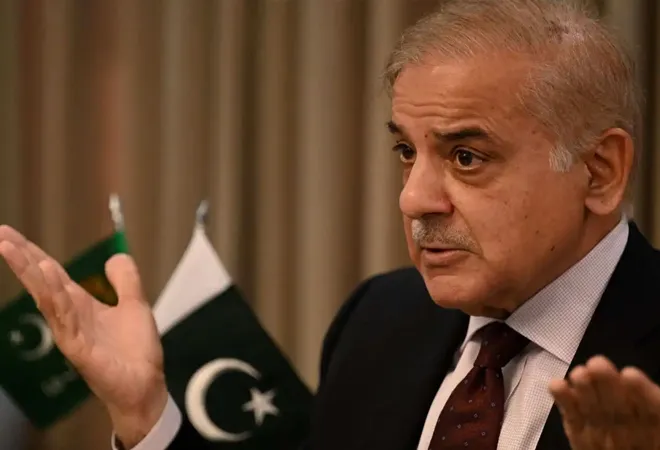
Prime Minister Shehbaz Sharif announced that Pakistan played an active role in helping bridge differences between Washington and Tehran during months of negotiations.
Addressing Pakistan’s National Assembly, Sharif described the accord as a triumph of dialogue over confrontation and characterized it as a historic milestone for global peace.
He revealed that Pakistan would host the signing ceremony in Geneva on June 19, underscoring Islamabad’s growing diplomatic relevance in regional conflict resolution.
According to the Prime Minister, the agreement demonstrates how sustained diplomacy can succeed even in highly polarized geopolitical environments.
Role of Pakistan’s Military Leadership
Sharif also praised Asim Munir for his involvement in facilitating communication channels and supporting peace efforts.
The Prime Minister stated that there were several moments during negotiations when prospects for a breakthrough appeared slim, yet diplomatic engagement continued despite repeated setbacks.
Pakistan’s political leadership, including former Prime Minister Nawaz Sharif, President Asif Ali Zardari, and Bilawal Bhutto Zardari, were also acknowledged for supporting the broader peace initiative.
Why the Strait of Hormuz Matters to the World
A Global Energy Lifeline
The Strait of Hormuz remains one of the most strategically important waterways on the planet.
Every day, millions of barrels of crude oil and petroleum products transit through the narrow passage connecting the Persian Gulf to international markets.
Recent disruptions raised fears of supply shortages, price spikes, and broader economic instability.
The reopening of the route is expected to:
- Restore confidence in global shipping networks.
- Reduce transportation and insurance costs.
- Stabilize energy prices.
- Lower geopolitical risk premiums in international markets.
- Improve economic forecasts for energy-importing nations.
Oil Markets React Positively
Financial markets responded immediately to news of the agreement.
Benchmark oil prices fell sharply as traders anticipated improved supply flows and reduced geopolitical risks.
Brent crude reportedly declined by nearly four percent in early trading, while U.S. benchmark crude also posted significant losses.
The market reaction highlights how closely global investors have been monitoring developments in the Gulf region.
For major oil-importing countries, lower energy prices could help ease inflationary pressures and support economic growth.
Regional Impact: Beyond Washington and Tehran
The significance of the agreement extends far beyond the two countries directly involved.
A successful implementation could influence:
Lebanon
Iranian Foreign Minister Seyed Abbas Araghchi emphasized the importance of ending military operations linked to regional conflicts, particularly in Lebanon.
Gulf States
Countries across the Gulf are expected to welcome reduced tensions while remaining cautious about long-term implementation.
International Trade
The restoration of maritime stability would benefit shipping companies, exporters, insurers, and financial institutions worldwide.
Global Security
A durable ceasefire could reduce the likelihood of wider regional conflict involving multiple state and non-state actors.
Challenges That Could Still Derail Progress
Despite the optimism, significant obstacles remain.
Trust Deficit
Years of confrontation and failed agreements have left deep mistrust between Washington and Tehran.
Verification Mechanisms
Ensuring compliance will require transparent monitoring systems and clear enforcement provisions.
Domestic Political Resistance
Hardline factions in both countries may oppose concessions and attempt to challenge implementation.
Regional Flashpoints
Conflicts involving allied groups and neighboring states could still complicate efforts to sustain peace.
What Happens Next?
Attention will now shift to Geneva, where representatives from both countries are expected to formally sign the agreement on June 19.
The signing ceremony could become a defining moment in contemporary Middle Eastern diplomacy.
However, diplomats caution that the ceremony itself will only mark the beginning of a much longer process.
The real test will be whether both sides fulfill their commitments in the weeks and months that follow.
If implemented successfully, the agreement could open the door to broader discussions on regional security, economic cooperation, sanctions relief, and nuclear diplomacy.
Conclusion
The U.S.-Iran ceasefire agreement represents a rare diplomatic breakthrough after months of conflict that threatened regional stability and global energy security.
By reopening the Strait of Hormuz, easing military tensions, and creating a framework for continued negotiations, the deal offers a pathway toward a more stable Middle East.
Yet the road ahead remains uncertain. Deep political divisions, implementation challenges, and longstanding mistrust mean that the success of the agreement will depend not on signatures alone, but on sustained commitment from all parties involved.
For now, the world is watching Geneva as Washington and Tehran prepare to turn a fragile ceasefire into what many hope will become a lasting peace.