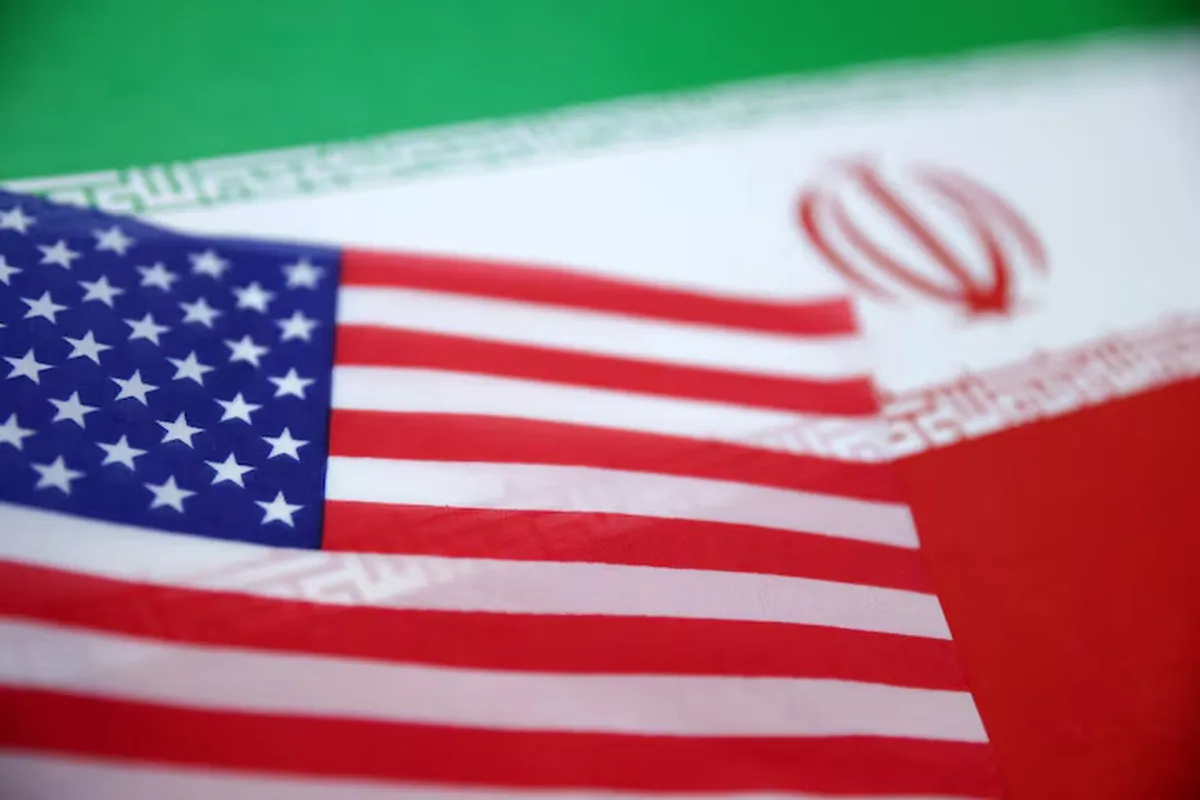
US-Iran Peace Deal Brings Much-Needed Relief for India, But Long-Term Questions Remain
By: Javid Amin | 15 June 2026
Reopening of Strait of Hormuz Offers Economic Breathing Space
After months of uncertainty triggered by the conflict between the United States and Iran, the recently announced peace agreement has emerged as a major relief for India’s economy. The understanding between Washington and Tehran, expected to formally end months of hostilities, is set to restore normal shipping operations through the Strait of Hormuz—one of the world’s most critical energy corridors.
For India, the development carries enormous significance. The conflict had disrupted global energy markets, pushed up freight costs, weakened investor confidence, and increased concerns about inflation. The reopening of maritime routes now offers hope for stabilisation, though experts remain cautious about whether the agreement can withstand the deep-rooted geopolitical differences between the two countries.
The immediate reaction from global markets reflects optimism. Oil prices softened following the announcement, shipping companies began preparing for normal operations, and energy-importing nations such as India welcomed the breakthrough.
Why the Strait of Hormuz Matters So Much to India
The Lifeline of India’s Energy Imports
The Strait of Hormuz connects the Persian Gulf with the Arabian Sea and remains one of the world’s most strategically important waterways.
India’s dependence on this route became starkly visible during the conflict.
A significant portion of India’s energy imports traditionally moves through the strait, making any disruption a direct threat to economic stability.
The crisis highlighted a critical reality:
- Nearly 50% of India’s crude oil imports originate from West Asia.
- Around 70% of India’s LPG requirements depend on suppliers in the region.
- Nearly 90% of India’s LNG imports come from West Asian countries, especially Qatar.
When tensions escalated and shipping routes became vulnerable, India was forced to seek alternative supplies from distant markets. This resulted in higher transportation costs, increased import bills and greater pressure on domestic fuel prices.
The peace deal is expected to gradually restore smoother energy flows, helping India avoid prolonged supply disruptions.
Oil Prices Could Ease, Reducing Inflationary Pressure
A Direct Benefit for Consumers and Businesses
One of the biggest economic gains for India could come through lower crude oil prices.
India imports over 85% of its crude oil needs. Consequently, even modest fluctuations in global prices have a substantial impact on the economy.
During the conflict:
- Crude oil prices remained volatile.
- Shipping insurance costs surged.
- Freight rates increased significantly.
- Energy import bills expanded.
Higher fuel costs affect almost every sector, from transportation and manufacturing to agriculture and logistics. This eventually feeds into inflation, increasing the prices consumers pay for everyday goods.
With the peace deal potentially restoring stability in energy markets, economists expect inflationary pressures to ease. Lower energy costs can improve business margins and reduce the burden on households already coping with rising living expenses.
Relief for the Indian Rupee
Reduced Pressure on Foreign Exchange Reserves
The conflict had also placed considerable strain on the Indian rupee.
Whenever oil prices rise sharply, India requires more dollars to pay for imports. This widens the trade deficit and puts downward pressure on the domestic currency.
A stable energy market can therefore provide dual benefits:
- Lower import expenditure.
- Improved current account balance.
As oil and gas prices moderate, demand for foreign currency may decline, offering support to the rupee and helping the Reserve Bank of India maintain macroeconomic stability.
Financial markets generally view reduced geopolitical risk as a positive signal, encouraging foreign investment and strengthening investor sentiment toward emerging economies such as India.
The Conflict Exposed India’s Energy Vulnerability
A Wake-Up Call for Policymakers
While the peace agreement provides short-term relief, it has also exposed a structural challenge facing India.
The country remains heavily dependent on a single geographical region for a substantial portion of its energy needs.
The West Asia conflict demonstrated how geopolitical tensions thousands of kilometres away can quickly affect:
- Fuel prices.
- Inflation.
- Industrial production.
- Trade costs.
- Currency stability.
Experts argue that India must use this period of calm to accelerate efforts toward:
Diversifying Energy Sources
Expanding imports from multiple regions can reduce over-reliance on any one supplier.
Strengthening Strategic Petroleum Reserves
Larger emergency reserves can cushion the economy against future supply disruptions.
Accelerating Renewable Energy Investments
Solar, wind, green hydrogen and electric mobility initiatives can reduce long-term dependence on imported fossil fuels.
Expanding Domestic Energy Production
Boosting domestic exploration and production can improve self-reliance over time.
India’s Diplomatic Balancing Act Pays Off
Maintaining Relations Across Rival Camps
The conflict placed India in a delicate diplomatic position.
New Delhi maintains strong strategic partnerships with the United States, Israel, Gulf Arab states and Iran simultaneously. Balancing these relationships required careful diplomacy throughout the crisis.
India consistently called for dialogue, restraint and peaceful resolution while safeguarding its national interests.
At the same time, New Delhi engaged extensively with major energy suppliers to ensure uninterrupted access to oil and gas. High-level diplomatic outreach to Gulf countries helped maintain confidence despite regional instability.
The peace agreement validates India’s long-standing approach of strategic autonomy—engaging all major stakeholders without becoming entangled in regional rivalries.
Chabahar Port Could Return to Centre Stage
Strategic Project Gains New Importance
Beyond energy imports, the peace deal may revive momentum for India’s long-term investments in Iran.
Among the most significant is the development of Chabahar Port, a crucial component of India’s connectivity strategy.
The port serves as:
- India’s gateway to Afghanistan and Central Asia.
- A key pillar of the International North-South Transport Corridor (INSTC).
- A strategic alternative to routes controlled by Pakistan.
However, uncertainty surrounding US sanctions had complicated India’s plans.
A durable understanding between Washington and Tehran could create conditions for renewed cooperation, allowing India to move forward with infrastructure and trade projects that have remained stalled for years.
For policymakers in New Delhi, Chabahar represents far more than a commercial project—it is a strategic asset that enhances India’s regional influence and connectivity ambitions.
Businesses Welcome Stability, But Remain Cautious
Industry Seeks Sustainable Peace
Indian industry has broadly welcomed the agreement.
Business leaders view the development as a positive step for global trade, energy markets and economic confidence.
However, corporate stakeholders remain cautious.
Shipping companies, commodity traders and energy importers understand that restoring full confidence in the Strait of Hormuz will take time. Insurance premiums, vessel routing decisions and supply-chain adjustments are unlikely to return to pre-conflict levels overnight.
Many energy facilities affected during the conflict may also require months to resume full operations.
As a result, businesses continue to monitor developments closely while hoping the agreement evolves into a lasting peace framework.
The Bigger Strategic Lesson for India
Economic Strength Requires Strategic Independence
The conflict has underscored an important geopolitical lesson.
Global powers ultimately make decisions based on national interests and economic realities. The eventual move toward negotiations reflected the enormous costs that prolonged conflict imposed on both sides and the wider global economy.
For India, analysts believe the episode reinforces the need to pursue an independent foreign policy while strengthening domestic economic resilience.
This means:
- Protecting national interests in trade negotiations.
- Diversifying energy partnerships.
- Enhancing technological self-reliance.
- Expanding strategic infrastructure.
- Building stronger supply-chain resilience.
The objective is not merely to withstand future crises but to emerge stronger and more influential in a rapidly changing global order.
Conclusion: Relief Today, Preparation for Tomorrow
The US-Iran peace deal offers India immediate economic relief through the prospect of lower oil prices, reduced inflation, improved rupee stability and restored energy flows through the Strait of Hormuz.
Yet the conflict has also exposed the risks associated with excessive dependence on a single region for critical energy supplies.
While businesses, consumers and policymakers welcome the return of stability, the larger challenge remains unchanged: building a more diversified, resilient and self-reliant economy capable of weathering future geopolitical shocks.
For India, the agreement is not just the end of a crisis—it is a reminder that energy security, strategic autonomy and economic resilience must remain at the heart of national policy in an increasingly uncertain world.


