Srinagar Smart City Project Audit: Accountability Test Begins Over Delays, Costs and Urban Challenges
By: Javid Amin | 24 June 2026
Third-party review ordered as administration examines execution, transparency and public concerns surrounding one of Kashmir’s biggest urban transformation projects
The Jammu and Kashmir administration’s decision to order a third-party audit of the Srinagar Smart City project has brought renewed attention to one of the Valley’s most ambitious urban development initiatives.
The independent review is expected to examine project finances, implementation timelines, quality standards and compliance with urban planning norms.
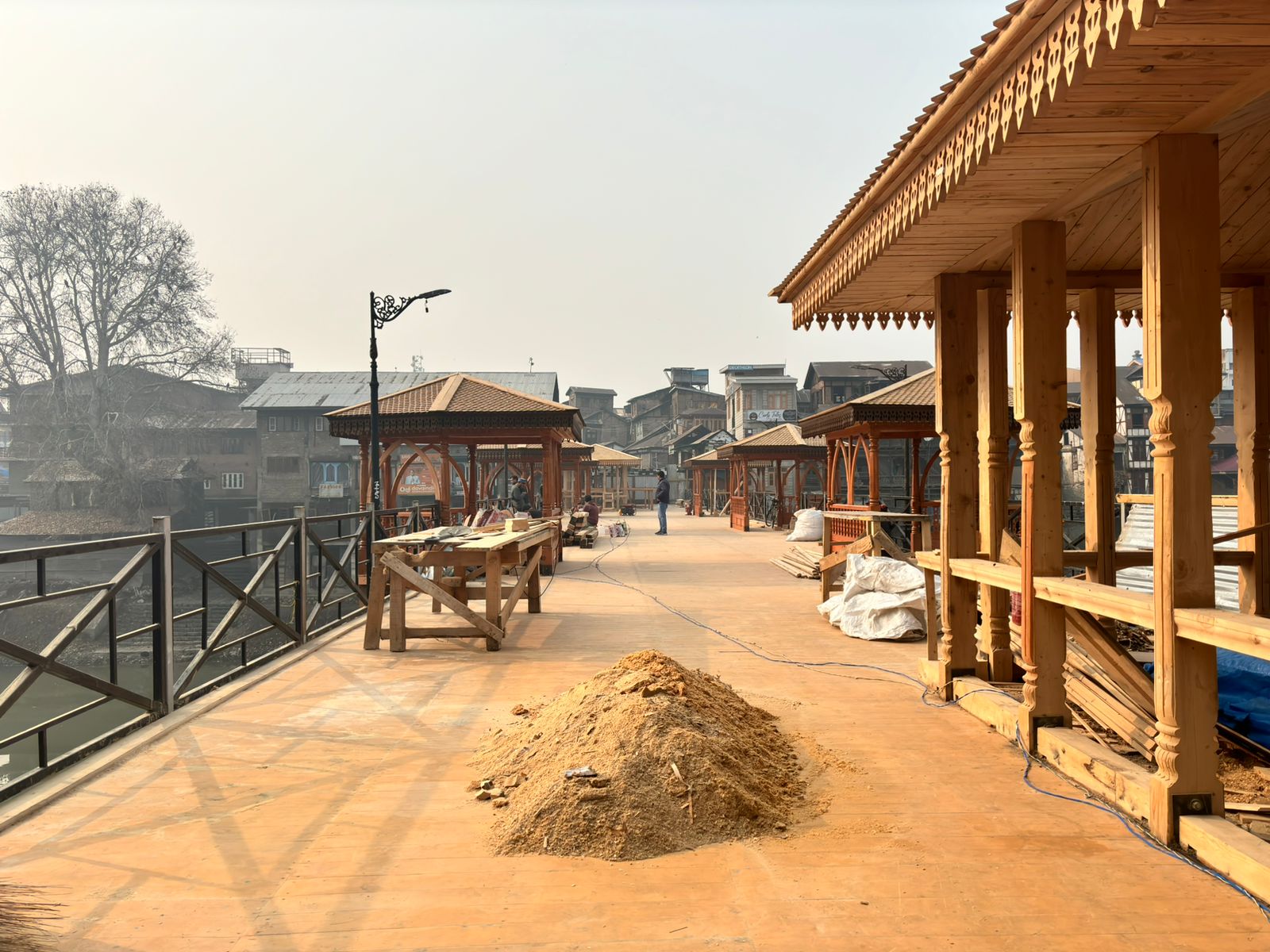
The move comes amid growing public concerns over incomplete works, prolonged construction activity, traffic disruptions and questions regarding whether the project has delivered the promised transformation on the ground.
For Srinagar residents, the audit is not only about accounts and contracts — it is about whether a major investment has improved everyday life in the historic city.
Why was a third-party audit ordered?
The administration’s decision reflects a broader push for greater transparency and accountability in large infrastructure projects.
The audit will reportedly focus on key areas including:
- Financial expenditure
- Project delays
- Contractor performance
- Quality of construction
- Compliance with approved plans
- Status of completed and pending works
Independent assessment is expected to provide a clearer picture of whether the project has remained aligned with its original objectives.
Such audits are generally aimed at identifying gaps, improving implementation and ensuring public funds are used effectively.
Srinagar Smart City: The vision behind the project
The Srinagar Smart City project was launched with the goal of transforming the city through modern infrastructure and technology-based solutions.
The project was designed around improving:
Urban mobility
Plans included:
- Better traffic management
- Improved road infrastructure
- Smart transport solutions
- Pedestrian-friendly areas
Civic infrastructure
The focus included:
- Improved drainage systems
- Better public spaces
- Road upgrades
- Modern urban facilities
Digital transformation
The project also aimed to introduce:
- Digital monitoring systems
- Technology-driven public services
- Smarter city management tools
The broader objective was to make Srinagar more efficient, sustainable and citizen-friendly.
Ground reality: Residents raise concerns
While the project promised urban transformation, many residents have expressed frustration over delays and disruptions.
Common complaints include:
- Long-running road closures
- Dust pollution due to construction
- Traffic congestion
- Incomplete public works
- Temporary inconvenience becoming a prolonged problem
For businesses operating in busy areas, extended construction activity has affected customer movement and daily operations.
Residents argue that while development is necessary, execution quality and timelines must match public expectations.
Drainage remains a major test for Srinagar
One of the biggest urban challenges highlighted by residents is water management.
Srinagar has historically struggled with drainage issues, especially during heavy rainfall.
The Smart City project included drainage improvements, but recurring waterlogging in parts of the city has kept the issue in public focus.
Urban experts say modernisation cannot succeed without addressing basic infrastructure challenges such as:
- Stormwater management
- Natural drainage channels
- Flood resilience
- Maintenance systems
For a city located in a sensitive ecological setting, drainage planning is considered a critical measure of project success.
Cost escalation and delays under scrutiny
Large infrastructure projects often face challenges related to:
- Rising material costs
- Design changes
- Administrative approvals
- Coordination between agencies
However, prolonged delays can increase costs and reduce public confidence.
The audit may examine whether project timelines were realistic, whether delays were avoidable and whether additional expenditure was justified.
If irregularities or major shortcomings are identified, authorities may consider corrective measures, including action against responsible agencies or contractors.
Public trust becomes the biggest issue
Beyond physical infrastructure, the Smart City project has become a test of governance credibility.
Residents often judge such projects not only by official announcements but by visible improvements in daily life.
A successful urban transformation requires:
- Transparent decision-making
- Regular public communication
- Quality construction
- Timely completion
- Long-term maintenance
The audit could help bridge the gap between official claims and public experience.
Political reactions and accountability debate
The review is also expected to become part of a wider political debate.
Opposition parties may use the audit findings to question project management and government oversight.
At the same time, authorities may present the audit as a corrective step to improve transparency and strengthen public confidence.
The final impact will depend largely on whether the findings lead to visible reforms rather than remaining only a procedural exercise.
What happens next?
The outcome of the third-party audit could influence how future infrastructure projects are planned and monitored across Jammu and Kashmir.
Possible outcomes include:
- Faster completion of pending works
- Improved contractor monitoring
- Financial corrections
- Better project management practices
- Greater transparency in future urban schemes
For Srinagar, the Smart City project represents more than roads, buildings or technology.
It represents the challenge of balancing modern development with the needs of residents living in one of India’s most historically and environmentally sensitive cities.
Srinagar’s urban future depends on lessons learned
The audit marks an important moment for the city’s development journey.
If implemented effectively, it could strengthen accountability and ensure that future projects focus on quality, sustainability and public benefit.
However, if concerns remain unresolved, it may deepen public frustration over delays and incomplete promises.
For Srinagar, the real measure of a smart city will not be only in technology or infrastructure — but in whether residents experience a cleaner, safer and more efficient city in their everyday lives.


