Army Vehicle Accident in Doda: Death Toll Rises to 10 in Tragic Gorge Plunge
By: Javid Amin | 22 January 2026
A Deadly Plunge in Doda’s Treacherous Terrain
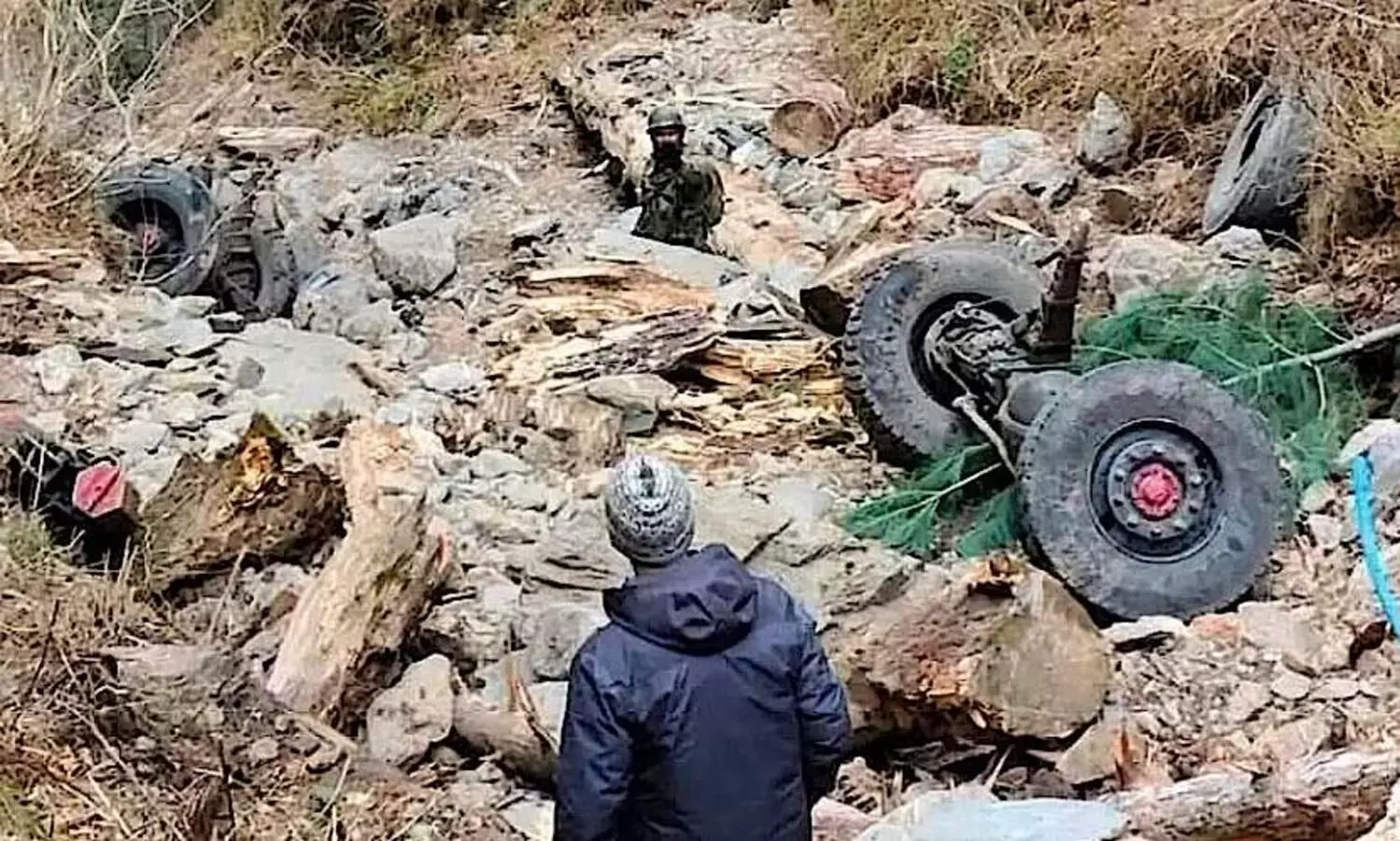
On January 22, 2026, a routine movement by an Indian Army unit ended in tragedy when a vehicle carrying troops skidded off a high-altitude mountain road and plunged into a deep gorge in Doda district, Jammu and Kashmir. The death toll from the accident has risen to 10 Army personnel, with several others injured, as rescue operations and official efforts continue.
This incident, occurring at Khanni Top on the Bhaderwah-Chamba interstate road, not only underscores the hazards inherent in hilly terrain logistics but also raises urgent questions about road safety measures, operational preparedness, and support systems for those who operate in India’s most challenging environments.
The Incident: What Happened at Khanni Top
Location and Setting
The accident occurred near Khanni Top, a high-altitude stretch on the Bhaderwah-Chamba road that connects Jammu and Kashmir with Himachal Pradesh through rugged, mountainous terrain. This route is frequently used by military convoys due to its strategic relevance for accessing high-altitude outposts and border areas.
Sequence of Events
According to official sources and rescue teams:
-
A bullet-proof Army vehicle—often described as a Casspir or similar heavy military transport— was carrying a contingent of Army personnel toward a forward high-altitude post.
-
At approximately midday on January 22, while negotiating a steep, narrow bend on the high-altitude road, the vehicle lost control, reportedly due to treacherous terrain conditions—possibly including ice, gravel, or poor weather.
-
The vehicle then plunged nearly 200 feet into a gorge, where it was severely damaged.
Casualties
Initial reports confirmed:
-
Four troops were found dead at the accident site.
-
Eleven others were initially rescued with injuries.
-
Over the course of rescue and treatment, six more critically wounded soldiers succumbed to their injuries, bringing the total death toll to 10.
-
The injured were transported to medical facilities, with many airlifted to Udhampur Command Hospital for specialized care.
Rescue and Emergency Response
Immediate Action
The moment the accident occurred, the Army and local police initiated a joint rescue operation, mobilizing personnel to reach the accident site rapidly despite the challenging terrain and altitude.
Rescue teams, including medical units and mountain support crews, worked under strenuous conditions to retrieve survivors and evacuate the injured for urgent care. Local residents also assisted where possible, reflecting community cooperation in critical situations.
Medical Evacuations
-
Severely injured soldiers were airlifted to Udhampur Command Hospital, a primary medical facility equipped for trauma and emergency surgeries.
-
Some injured personnel were initially treated at Bhaderwah Sub-district Hospital before transfer.
The emphasis in the rescue operations remained on rapid evacuation and stabilization, vital in high-altitude trauma cases where delayed medical care can be life-threatening.
Terrain, Weather and Risk Factors
The Challenge of Mountain Roads
Roads like the Bhaderwah-Chamba route are notorious for:
-
Narrow, winding alignments
-
Sharp curvature with steep drop-offs
-
Variable weather, including ice and mist
-
Poor surface conditions in certain stretches
These factors significantly elevate the risk of accidents, especially for heavy military vehicles navigating under operational schedules.
Weather Conditions
While specific weather data for the exact time of the accident are still being collated, local conditions at Khanni Top often include low visibility, slippery roads, and sudden weather changes—all contributing to vehicular instability. Early reports suggest these may have played a role in the vehicle losing control.
Official Reactions and Condolences
Government and Military Responses
Senior officials and political leaders have publicly expressed grief and solidarity:
-
Lieutenant Governor of Jammu and Kashmir, Manoj Sinha, conveyed deep sorrow over the loss of the soldiers and directed that every possible medical support be provided to the injured.
-
Chief Minister Omar Abdullah also extended condolences to the bereaved families and commended the swift rescue operations.
-
The Army’s White Knight Corps, responsible for this sector, confirmed the accident and casualties on official social platforms, acknowledging the tragic loss and ongoing treatment of survivors.
Public Mourning
Local communities and national stakeholders have reacted with grief. Social media tributes and public messages reflect widespread mourning for the fallen soldiers and prayers for the injured.
Road Safety and Military Movement in Strategic Zones
Broader Safety Concerns
The Doda accident highlights a recurrent issue: road accidents involving security forces in hilly and border regions. These often occur due to:
-
Treacherous topography
-
Sudden weather changes
-
High operational tempo with tight movement schedules
-
Limited protective barriers on remote mountain roads
Experts argue for enhanced route risk assessments, driver training, and infrastructure upgrades to lower accident risks. Additionally, the use of advanced terrain mapping, real-time weather alerts, and vehicle stabilization technologies could further mitigate such tragedies.
Historical Patterns and Past Incidents
Jammu and Kashmir’s geography has witnessed other similar accidents involving security forces over the years. While each incident has unique circumstances, the common thread remains the extreme challenges of mountainous routes that test even experienced drivers and robust vehicles.
Earlier reports from the region indicate multiple road mishaps involving military or paramilitary vehicles in hill districts, underscoring systemic vulnerabilities in such environments. (Historical pattern data from prior local reports, not direct sources.)
Economic and Human Costs
Impact on Families and Units
The loss of 10 soldiers not only reverberates through military ranks but also impacts families and communities nationwide. Each casualty represents:
-
Personal loss for dependent family members
-
Operational gaps in platoons and units
-
Psychological stress on peers and comrades
For the injured, long-term recovery and rehabilitation will be essential, both physically and mentally.
Strategic and Policy Implications
Incidents like this have nuanced implications:
-
They prompt discussions about route safety protocols for military logistics.
-
They can influence infrastructure investment decisions to improve road design and safety barriers.
-
They may stimulate policy dialogue on balancing rapid troop movement with comprehensive risk mitigation.
Conclusion: Mourning, Reflection, and Accountability
The Army vehicle accident in Doda that claimed 10 lives on January 22, 2026 is a stark reminder of the perils faced by servicemen even outside combat zones. While operations in high-altitude and border regions are critical to national security, ensuring the safety of personnel in transit is equally important.
As rescue efforts wind down and investigations proceed, the focus will likely shift toward understanding causes, strengthening preventive measures, and honoring the fallen through support for their families and comrades.
In remembering those lost, there is a parallel imperative to reflect on how infrastructure, training, and tactical planning can reduce the recurrence of such tragedies in the future.