Trump Cancels Pakistan Visit for Iran Talks: Diplomacy Stalls as Tensions Simmer
By: Javid Amin | 26 April 2026
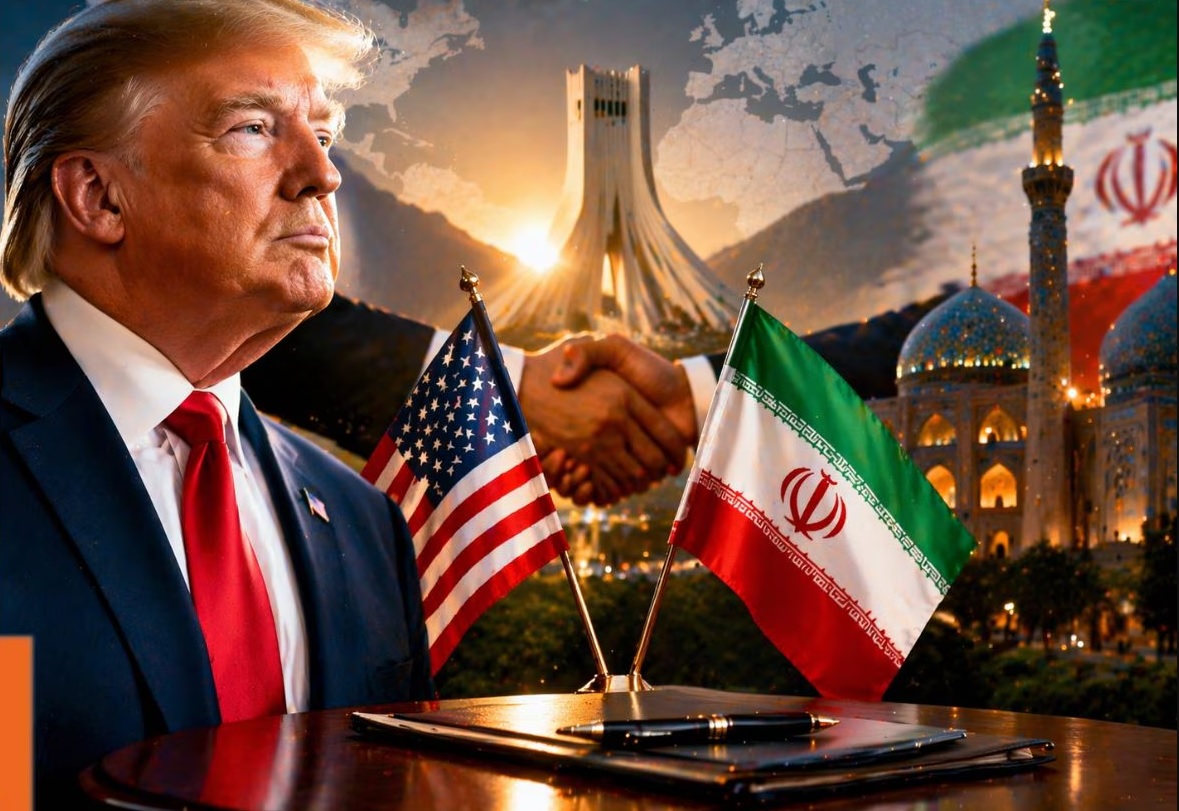
In a significant diplomatic setback, Donald Trump has canceled the planned visit of US envoys to Pakistan, effectively pausing a key channel for indirect engagement with Iran.
The decision—confirmed in remarks to Fox News—means senior figures like Jared Kushner and Steven Witkoff will no longer travel to Islamabad, where backchannel diplomacy was expected to continue.
At a moment when the region is balanced between fragile ceasefires and potential escalation, this move narrows an already shrinking diplomatic pathway.
Iran Signals Openness—But Only Indirectly
Even as Washington steps back, Tehran is maintaining a carefully calibrated diplomatic posture.
Iranian Deputy Foreign Minister Abbas Araghchi has:
- Conveyed Tehran’s “views and considerations” on ending the conflict
- Expressed willingness to continue engagement via Pakistan’s mediation
This reinforces Iran’s consistent strategy:
- Reject direct talks under pressure
- Accept indirect diplomacy through intermediaries
In effect, Iran is keeping the door open—but only on its own terms.
Pakistan’s Mediation Hit by US Withdrawal
Pakistan had positioned itself as a central diplomatic bridge, leveraging its ties with both Washington and Tehran.
Trump’s decision complicates that effort:
- Islamabad loses direct access to US negotiators
- Mediation risks becoming one-sided or purely consultative
- Momentum toward de-escalation slows significantly
Still, Pakistan may continue:
- Relaying Iranian positions to Washington
- Coordinating with other mediators like Oman or Switzerland
Strategic Signal: Washington Hardens Its Stance
The cancellation is more than logistical—it reflects a policy recalibration.
Washington appears to be:
- Doubling down on pressure tactics, including the naval blockade
- Avoiding negotiations that could be perceived as concessions without compliance
- Retaining military leverage as a primary bargaining tool
This aligns with Trump’s broader messaging:
diplomacy remains conditional, not unconditional.
Ground Reality: A Region on Edge
Iran
- Severe economic strain due to sanctions and maritime restrictions
- IRGC reportedly rebuilding military capacity during ceasefire
- Continued domestic crackdown amid rising internal pressure
United States
- Ceasefire extended but paired with sustained naval blockade
- Claims of nearing a deal remain unverified by Tehran
- Military posture remains assertive
Israel & 🇱🇧 Lebanon
- Ongoing clashes between Israel and Hezbollah in Lebanon
- Civilian casualties, including journalists, fueling global concern
- Israel signaling readiness for broader conflict if tensions escalate
The Central Flashpoint: Strait of Hormuz
The Strait of Hormuz remains the निर्णायक battleground:
- Iran leveraging control to apply counter-pressure
- US enforcing maritime restrictions
- Commercial shipping caught in a high-risk corridor
Scenario Mapping After US Withdrawal
1. Mediation Continues Without US Presence
Likelihood: Medium
- Pakistan engages Iran, relays messages indirectly
- Slow, incremental diplomatic progress
2. Alternative Mediators Step In
Likelihood: Medium
- Oman, Switzerland, or even Qatar take a larger role
- Pakistan’s centrality reduced but diplomacy survives
3. Talks Stall Completely
Likelihood: Medium–High
- No structured dialogue
- Rising risk of military escalation
- Increased sanctions and retaliatory actions
4. US Re-engages Under New Terms
Likelihood: Low–Medium
- Triggered by oil shocks or allied pressure
- Talks resume under stricter or revised conditions
Global Fallout: Energy, Security, and Markets
Energy Markets
- Hormuz tensions continue to threaten global oil supply
- Iran reportedly losing massive daily revenue due to restricted exports
Regional Stability
- Multiple active fronts: Gulf, Lebanon, and beyond
- Risk of multi-theater escalation
Economic Ripple Effects
- Inflation risks rising globally
- Central banks factoring geopolitical instability into policy decisions
Strategic Conclusion: Diplomacy Shrinks, Risk Expands
Trump’s cancellation of the Pakistan visit underscores a critical shift:
- Diplomatic bandwidth is narrowing
- Military and economic pressure are intensifying
- Indirect channels remain—but weakened
The current situation can best be described as “paused instability”:
- Ceasefires are holding—but barely
- Negotiations exist—but without structure
- Escalation risks remain high and immediate
Final Takeaway
The US–Iran crisis is entering a more precarious phase where absence of dialogue may prove more dangerous than open confrontation.
Unless alternative mediation channels gain traction—or Washington reconsiders engagement—the region is likely to drift toward:
- prolonged stalemate, or
- sudden escalation triggered by a single incident
In either case, the Strait of Hormuz will remain the निर्णायक pressure point shaping global outcomes.