Kashmir Weather Crisis: Cloudbursts, Hailstorms and Extreme Weather Events Signal Changing Himalayan Climate
By: Javid Amin | 21 June 2026
From Baramulla floods to Gulmarg hailstorm, sudden weather events expose Kashmir’s growing climate vulnerability
Kashmir’s summer landscape is witnessing an unsettling shift.
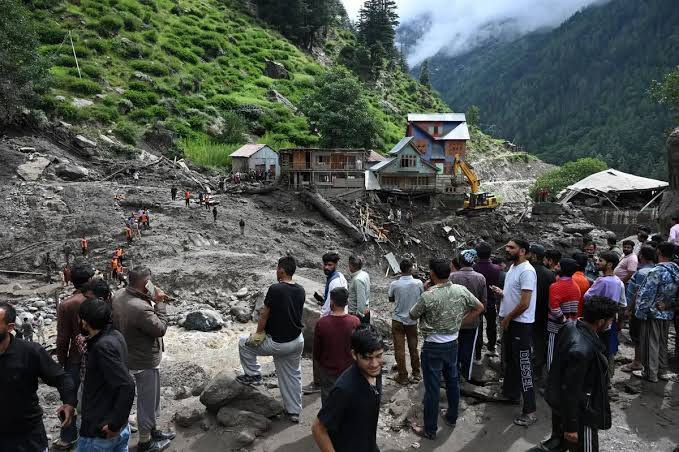
After a series of cloudbursts battered parts of Jammu, the weather crisis has moved deeper into the Valley, with North Kashmir’s Baramulla becoming the latest area affected by sudden intense rainfall.
A cloudburst-like event triggered flash flooding in low-lying areas, creating panic among residents as water levels rose rapidly. Homes, agricultural fields and local infrastructure suffered damage, while authorities moved emergency teams to affected areas.
At the same time, the famous tourist destination of Gulmarg experienced a powerful hailstorm that transformed its green meadows into a white landscape within minutes, leaving tourists surprised and farmers worried.
Experts say these incidents are part of a broader pattern of increasing weather instability in the Himalayan region, where rising temperatures, changing atmospheric circulation and environmental pressure are contributing to more frequent extreme weather events.
Baramulla cloudburst triggers flash floods and panic
The sudden rainfall event in Baramulla caught residents off guard as heavy precipitation fell within a short period.
Low-lying areas experienced rapid water accumulation, forcing people to move away from vulnerable locations.
Residents reported:
- Water entering residential areas
- Damage to farmland
- Disruption of movement due to blocked roads
- Concerns over livestock safety
For communities living near streams, rivers and natural drainage channels, such events create immediate risks because mountain runoff can increase within minutes.
District authorities responded by deploying teams and advising residents to avoid riverbanks, unstable slopes and flood-prone areas during heavy rainfall.
Kashmir follows Jammu’s cloudburst pattern
The Baramulla incident comes after multiple cloudburst events in Jammu region, where districts including Reasi and Ramban witnessed heavy rainfall, landslides and road disruptions.
Mountain districts of Jammu and Kashmir are particularly vulnerable because steep slopes allow rainwater to travel quickly, often carrying mud, rocks and debris.
In recent years, cloudbursts have repeatedly affected:
- Kishtwar
- Doda
- Ramban
- Reasi
- Poonch
- Anantnag
- Baramulla
The growing frequency has raised concerns among scientists and disaster management experts about whether extreme rainfall events are becoming a regular feature of the Himalayan weather cycle.
Climate change behind rising extreme weather events?
Meteorologists say cloudbursts are natural weather phenomena, but climate change may be influencing their intensity and frequency.
A warmer atmosphere can hold more moisture, increasing the possibility of intense rainfall when weather systems trigger condensation.
Experts point towards several factors:
Rising temperatures
Higher temperatures increase evaporation from water bodies and soil, adding more moisture to the atmosphere.
When this moisture interacts with weather systems, it can result in intense rainfall over smaller areas.
Changing monsoon behaviour
Climate scientists have observed shifts in rainfall patterns across the Himalayan region, including irregular precipitation, delayed rainfall spells and sudden heavy showers.
Instead of moderate rainfall spread over several days, regions are increasingly experiencing short bursts of intense rain.
Fragile Himalayan ecosystem
The Himalayas are naturally sensitive because of steep terrain, fragile geology and active slopes.
Deforestation, construction pressure and land-use changes reduce the ability of the landscape to absorb excess water.
Gulmarg hailstorm: Kashmir’s tourist paradise turns white
While Baramulla faced flooding, Gulmarg experienced a completely different but equally unusual weather event.
A powerful hailstorm struck the world-famous ski resort, covering roads and meadows with hailstones and creating difficult conditions for tourists and locals.
Visitors caught outdoors rushed indoors as heavy hail hit the area suddenly.
The storm affected:
- Roads leading towards Gulmarg
- Vehicles parked in open areas
- Rooftops and structures
- Nearby agricultural fields
The sudden change from pleasant summer weather to intense hail created concern among tourists and local businesses dependent on weather-sensitive activities.
Farmers fear losses to apple orchards and crops
The impact of hailstorms extends beyond tourism.
Areas around Tangmarg and Baramulla depend heavily on horticulture, especially apple production.
Farmers reported concerns over:
- Apple orchard damage
- Vegetable crop losses
- Maize field impact
- Damage to young fruit development
For Kashmir’s farmers, hailstorms are among the most damaging weather events because a few minutes of intense hail can destroy months of agricultural effort.
Unlike gradual weather changes, hailstorms leave little time for protection.
Tourism faces new weather challenges
Gulmarg, Pahalgam and Sonmarg remain among Kashmir’s biggest tourism destinations, attracting visitors for trekking, golfing, adventure activities and nature experiences.
However, unpredictable weather is creating new challenges.
Sudden storms can affect:
- Tourist safety
- Road connectivity
- Outdoor activities
- Local businesses
Tourism operators say visitors increasingly need better weather awareness before travelling to high-altitude destinations.
Why Kashmir is experiencing more sudden weather shocks
Experts say Kashmir’s geography makes it highly exposed to extreme weather.
The region combines:
- High mountains
- Narrow valleys
- Rapid temperature changes
- Western disturbance influence
- Seasonal monsoon interactions
Climatologists explain that interactions between western disturbances and moisture-bearing winds can create unstable atmospheric conditions.
During pre-monsoon and monsoon periods, these systems can produce intense rainfall or hail over limited areas.
Infrastructure weakness increases flood impact
Urban areas including Baramulla and Sopore face additional challenges because drainage systems are often unable to handle sudden heavy rainfall.
Rapid urban growth, construction near natural drainage channels and inadequate stormwater management can worsen flooding.
Experts say climate adaptation must include:
- Better drainage planning
- Protection of natural water channels
- Slope stabilisation
- Scientific land-use planning
- Stronger disaster preparedness
Safety advisory for residents and tourists
Authorities and disaster experts advise people to remain cautious during extreme weather events.
During heavy rainfall:
- Avoid riverbanks and streams
- Stay away from landslide-prone slopes
- Follow official weather alerts
- Keep emergency supplies ready
- Maintain offline communication options
For farmers:
- Secure livestock
- Monitor weather warnings
- Protect vulnerable crops where possible
- Document losses for compensation claims
For tourists:
- Check weather updates before travelling
- Avoid trekking during unstable weather
- Follow local administration advisories
Kashmir’s changing weather reality
Cloudbursts, hailstorms and flash floods are no longer isolated incidents in Jammu and Kashmir.
The repeated events across different districts indicate a changing climate pattern where extreme weather is becoming a serious challenge for communities, agriculture, tourism and infrastructure.
For a region dependent on fragile mountain ecosystems, the message from scientists is clear: climate resilience is no longer a future requirement — it is an immediate necessity.


