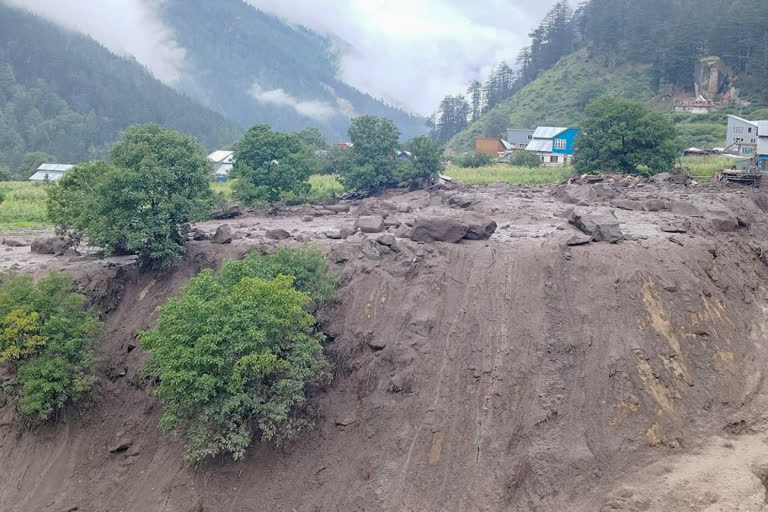
J&K Monsoon 2026: Cloudbursts Hit Gurez, Kupwara, Kulgam and Kargil, Roads Washed Away
By: News Desk | 02 July 2026
Monsoon Makes Dramatic Entry into Jammu & Kashmir and Ladakh
The southwest monsoon has made an intense arrival in Jammu & Kashmir and Ladakh, bringing widespread rainfall and a series of cloudbursts that have disrupted life across several northern districts.
Within hours of the monsoon’s advance, heavy rain triggered cloudbursts, flash floods and landslides in parts of Bandipora, Kupwara, Kulgam and Kargil, damaging roads, disrupting connectivity and prompting emergency response operations.
Among the worst-hit areas is Tulail Valley in Gurez, where two powerful cloudbursts washed away portions of the vital Bandipora–Gurez road, isolating remote villages and creating major logistical challenges for authorities.
While no loss of human life has been officially confirmed, reports indicate damage to homes, livestock, agricultural land and public infrastructure, highlighting the vulnerability of Kashmir’s mountain communities to extreme weather.
Gurez and Tulail Valley Bear the Brunt
The most severe impact has been reported from Tulail Valley in Bandipora district, where intense cloudbursts struck mountainous catchment areas following prolonged rainfall.
The sudden surge of water and debris:
- Washed away stretches of the Bandipora–Gurez road.
- Uprooted trees along vulnerable sections.
- Blocked transportation to several villages.
- Disrupted the movement of essential supplies.
With road connectivity severely affected, residents in parts of Tulail and nearby Kanzalwan are temporarily dependent on emergency assistance until damaged routes are restored.
Officials said restoration work is progressing, but continuous rainfall and unstable slopes are slowing operations.
Rescue Teams Race Against Time
Emergency agencies moved quickly after reports of flooding and road damage emerged.
Teams from the:
- State Disaster Response Force (SDRF)
- District Administration
- Border Roads Organisation (BRO)
- Jammu & Kashmir Police
- Local volunteers
have been deployed to assess damage, assist stranded families and restore connectivity wherever conditions permit.
Rescue workers are also monitoring vulnerable villages for any fresh landslides or rising water levels as rainfall continues.
Authorities have urged residents to cooperate with emergency personnel and avoid travelling through damaged road sections.
Flash Floods and Landslides Reported Elsewhere
The impact of the monsoon has extended beyond Gurez.
Heavy rainfall has also affected:
Kupwara
Flash floods damaged agricultural fields and disrupted local roads in several low-lying areas.
Kulgam
Intense rainfall led to waterlogging, overflowing streams and damage to residential properties and farmland.
Kargil Sector
Mountain roads experienced landslides and falling rocks following heavy downpours, temporarily affecting traffic movement in parts of the district.
Officials continue to monitor the situation as weather conditions remain unstable.
No Confirmed Human Casualties, But Damage Is Significant
Authorities have not confirmed any fatalities linked to the latest weather events.
However, preliminary assessments indicate:
- Loss of livestock.
- Damage to houses and boundary walls.
- Destruction of agricultural land.
- Disruption to road infrastructure.
- Temporary isolation of remote habitations.
Detailed damage assessments are expected once weather conditions improve and access to affected villages is restored.
Weather Department Warns of More Heavy Rain
Meteorologists have cautioned that the current spell of unstable weather is likely to continue over the next 48 hours.
The forecast includes:
- Moderate to heavy rainfall.
- Thunderstorms.
- Localised cloudbursts in mountainous regions.
- Flash floods in vulnerable catchments.
- Landslides and mudslides along hill roads.
- Rising water levels in streams and seasonal nallahs.
Residents have been advised to remain alert and follow official weather advisories issued by the Meteorological Department and district administrations.
Why Cloudbursts Are Becoming More Frequent
Cloudbursts are highly localised weather events in which an exceptionally large volume of rain falls over a small area within a short period.
In the Himalayan region, steep terrain and narrow valleys amplify their destructive impact.
Meteorologists say several factors may be increasing the risk:
Warmer Atmosphere
Higher temperatures allow the atmosphere to retain more moisture, increasing the potential for intense rainfall.
Stronger Monsoon Currents
Enhanced moisture transport from the Arabian Sea and the Bay of Bengal can interact with mountain ranges, producing sudden cloudbursts.
Fragile Mountain Terrain
Steep slopes, loose soil and rapid runoff make Himalayan valleys particularly susceptible to flash floods and landslides.
Although no single event can be attributed solely to climate change, scientists increasingly associate the rising frequency of extreme rainfall events with long-term global warming.
High-Altitude Valleys Remain Highly Vulnerable
Regions such as Gurez, Tulail, Machil, Tangdhar and parts of Ladakh are especially vulnerable because of:
- Narrow mountain valleys.
- Fast-flowing streams.
- Limited drainage infrastructure.
- Difficult terrain for rescue operations.
- Single-road connectivity.
Even relatively short periods of intense rainfall can isolate entire communities by damaging roads and bridges.
Authorities Issue Public Advisory
Officials have appealed to residents and tourists to remain cautious until weather conditions improve.
Safety Measures
- Avoid travelling through mountain passes unless essential.
- Stay away from rivers, streams and seasonal nallahs.
- Do not attempt to cross flooded roads or bridges.
- Follow evacuation instructions issued by local authorities.
- Monitor official weather bulletins before undertaking travel.
- Keep emergency supplies ready in vulnerable areas.
Tourists visiting Kashmir and Ladakh are also advised to review road conditions before planning journeys to remote destinations.
Weather Impact at a Glance
| Location | Incident | Impact |
|---|---|---|
| Tulail Valley, Gurez | Two cloudbursts | Road washed away, remote villages temporarily cut off |
| Kupwara | Flash floods | Damage to roads, homes and agricultural fields |
| Kulgam | Heavy rainfall | Waterlogging, flooding and crop damage |
| Kargil Sector | Intense downpour | Landslides and blocked road stretches |
Monsoon Brings Relief and Risk
The arrival of the southwest monsoon is vital for replenishing rivers, groundwater and agricultural fields across Jammu & Kashmir. However, in the fragile Himalayan landscape, the same rainfall can quickly turn destructive when combined with steep terrain and extreme weather conditions.
The latest cloudbursts serve as another reminder of the growing challenges posed by climate variability in mountain regions. As rescue teams continue restoring connectivity and assisting affected communities, experts say strengthening early warning systems, improving resilient infrastructure and enhancing disaster preparedness will be critical to reducing future risks.
For the people of Kashmir’s remote valleys, the monsoon remains a season of contrasts—bringing life-giving rain to fields while testing the resilience of communities living amid some of the world’s most fragile mountain landscapes.


