Kashmir’s Power Paradox: Why a Hydropower-Rich Region Still Faces Daily Summer Power Cuts
By: Javid Amin | 27 June 2026
A Region Rich in Hydropower, Yet Left in the Dark
Every summer, as temperatures climb across Kashmir, thousands of households prepare for an uncomfortable reality—not just the heat, but prolonged and often unscheduled electricity cuts.
Residents across Srinagar, Baramulla, Pulwama, Anantnag and several other districts report frequent outages lasting anywhere between two and four hours. Businesses struggle to maintain operations, students face interrupted study hours, hotels rely on costly diesel generators, and families question a seemingly simple contradiction:
How can a region blessed with rivers and hydropower continue to suffer electricity shortages?
The answer lies not in electricity generation alone but in the complex economics and engineering of Kashmir’s power sector.
Kashmir Generates Power—So Why Are Consumers Facing Cuts?
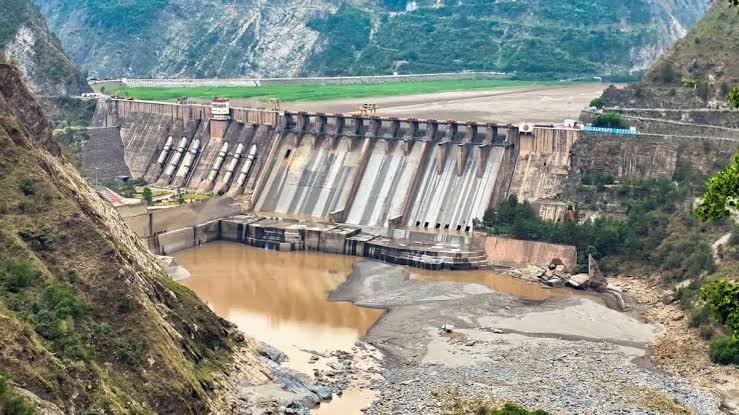
Jammu and Kashmir possesses one of India’s richest hydropower resources.
The Union Territory has an estimated hydropower potential of nearly 18,000 MW, yet only about 24% has been harnessed so far. Even the electricity that is generated does not always remain available for local consumption because generation, transmission, contractual allocations and demand operate independently.
Hydropower plants generate electricity based on river flow rather than consumer demand.
When generation exceeds immediate local requirements, electricity can be supplied to the national grid under existing power-sharing arrangements. Conversely, during periods of reduced river flow or peak local demand, Jammu and Kashmir often purchases electricity from outside states to bridge the gap.
This creates the perception that Kashmir exports electricity while local consumers experience outages.
Technically, both can happen simultaneously.
The Real Bottleneck Lies Inside the Distribution Network
Power experts often describe Kashmir’s electricity problem as a distribution crisis rather than a generation crisis.
Even when sufficient electricity is available, delivering it reliably to consumers requires a modern transmission and distribution system.
Many parts of Kashmir continue to depend on ageing infrastructure, including:
- Overloaded transformers
- Old distribution feeders
- Ageing transmission lines
- Limited automation
- Slow fault detection systems
During summer, electricity demand rises sharply because of air conditioners, coolers, water pumps, irrigation equipment and commercial activity.
Transformers designed years ago for much smaller loads are increasingly unable to handle present-day consumption, forcing utilities to carry out temporary shutdowns or deal with unexpected failures.
Local engineers frequently cite transformer overheating and overloaded feeders as major reasons behind recurring summer outages. Similar explanations have also emerged from field-level utility officials responding to consumer complaints.
Rising Demand Is Outpacing Infrastructure
Electricity consumption patterns in Kashmir have changed dramatically over the past decade.
More households now use:
- Air conditioners
- Electric geysers
- Refrigerators
- Water pumps
- High-powered appliances
Commercial establishments, hospitals, educational institutions and tourism-related businesses also consume significantly more electricity than they did ten years ago.
While demand has grown rapidly, distribution infrastructure has not always expanded at the same pace.
As a result, even relatively small increases in temperature can push local feeders beyond their safe operating capacity.
Transmission and Commercial Losses Continue to Hurt the System
Another challenge is Aggregate Technical and Commercial (AT&C) losses.
These include electricity lost because of:
Technical losses
- Ageing cables
- Inefficient transformers
- Long transmission distances
Commercial losses
- Electricity theft
- Faulty metering
- Billing inefficiencies
- Poor recovery of dues
Historically, Jammu and Kashmir recorded some of the country’s highest AT&C losses, reportedly reaching around 60% in earlier years. However, recent smart-metering and reforms have substantially reduced losses. Government data places AT&C losses at about 20% as of March 2025, though they remain above the national average.
Every percentage point lost represents revenue that cannot be invested in new transformers, substations or network upgrades.
The Financial Challenge Behind Every Power Cut
Electricity distribution companies survive on two basic principles:
- Buying electricity.
- Recovering payment from consumers.
In Jammu and Kashmir, this balance has remained difficult for years.
Power utilities spend heavily purchasing electricity—especially during periods when local hydropower generation falls—but revenue recovery often remains inadequate.
Lower collections, subsidies and operational inefficiencies reduce the funds available for maintenance and modernization.
The result is a cycle where ageing infrastructure continues operating far beyond its intended lifespan.
Summer Makes the Problem Worse
Although hydropower generation generally improves with snowmelt and river flow, summer also brings peak electricity demand.
The same season increases demand for:
- Irrigation pumps in agricultural areas
- Cooling systems in homes
- Tourism infrastructure
- Commercial establishments
- Healthcare facilities
High demand concentrated during specific hours creates stress on local transformers and feeders even when overall electricity availability appears adequate.
This explains why consumers may experience localized outages despite reports of healthy power generation.
Tourism Pays the Price
Tourism is one of Kashmir’s biggest economic pillars.
Hotels, guest houses, restaurants and houseboats depend heavily on uninterrupted electricity to provide comfortable services.
Frequent outages force businesses to rely on diesel generators and inverter systems, increasing operating costs considerably.
Visitors increasingly expect reliable electricity for internet connectivity, heating and cooling systems, electronic payments and modern hospitality services.
Every unexpected outage affects both customer satisfaction and business profitability.
Small Businesses Are Losing Productive Hours
The impact extends beyond tourism.
Tailoring units, bakeries, printing presses, workshops, internet cafés, IT offices and retail stores all depend on stable electricity.
Repeated interruptions mean:
- Lower productivity
- Equipment damage risks
- Higher fuel expenses
- Delayed deliveries
- Reduced earnings
For small enterprises operating on narrow profit margins, even short daily outages translate into significant financial losses over an entire season.
Public Frustration Continues to Grow
Across social media and local communities, one phrase increasingly reflects public sentiment:
“Power surplus, supply deficit.”
Many residents find it difficult to understand why electricity generated from Kashmir’s rivers cannot guarantee uninterrupted local supply.
The reality is considerably more complex.
Electricity systems require simultaneous investment in:
- Generation
- Transmission
- Distribution
- Revenue recovery
- Grid management
Weakness in any one of these areas can affect consumers even when sufficient electricity is being generated elsewhere.
What Needs to Change?
Experts argue that solving Kashmir’s electricity crisis requires long-term structural reforms rather than temporary load management.
1. Modernize Distribution Infrastructure
Replacing overloaded transformers, strengthening feeders and upgrading substations would reduce breakdowns during peak demand.
2. Expand Smart Metering
Smart meters improve billing efficiency, reduce theft and provide utilities with better demand forecasting.
Government programmes under the Revamped Distribution Sector Scheme (RDSS) are already supporting smart metering and network upgrades.
3. Improve Revenue Recovery
Financially healthier utilities can invest more consistently in maintenance and infrastructure expansion.
4. Diversify Renewable Energy
Greater deployment of rooftop solar, floating solar projects and battery storage could reduce dependence on hydropower during peak demand periods.
5. Better Local Grid Planning
Future hydropower expansion should be complemented by stronger local transmission infrastructure so that available electricity can be delivered more efficiently to consumers.
The Bottom Line
Kashmir’s electricity challenge is often misunderstood as a simple shortage of power.
In reality, the region’s biggest hurdles lie in distribution infrastructure, financial sustainability, seasonal demand patterns and grid management.
The rivers continue to generate valuable clean energy, but unless transmission networks are strengthened, transformers upgraded and distribution losses reduced, many households will continue to experience the same frustrating reality every summer.
For consumers sitting through unexpected outages, the distinction between electricity generation and electricity delivery means little.
What matters most is a reliable switch that works every time it is turned on.