AIP Declares August 5 as ‘Black Day’, Keeps Article 370 at the Centre of Kashmir’s Political Debate
By: News Desk | 03 Aug 2026
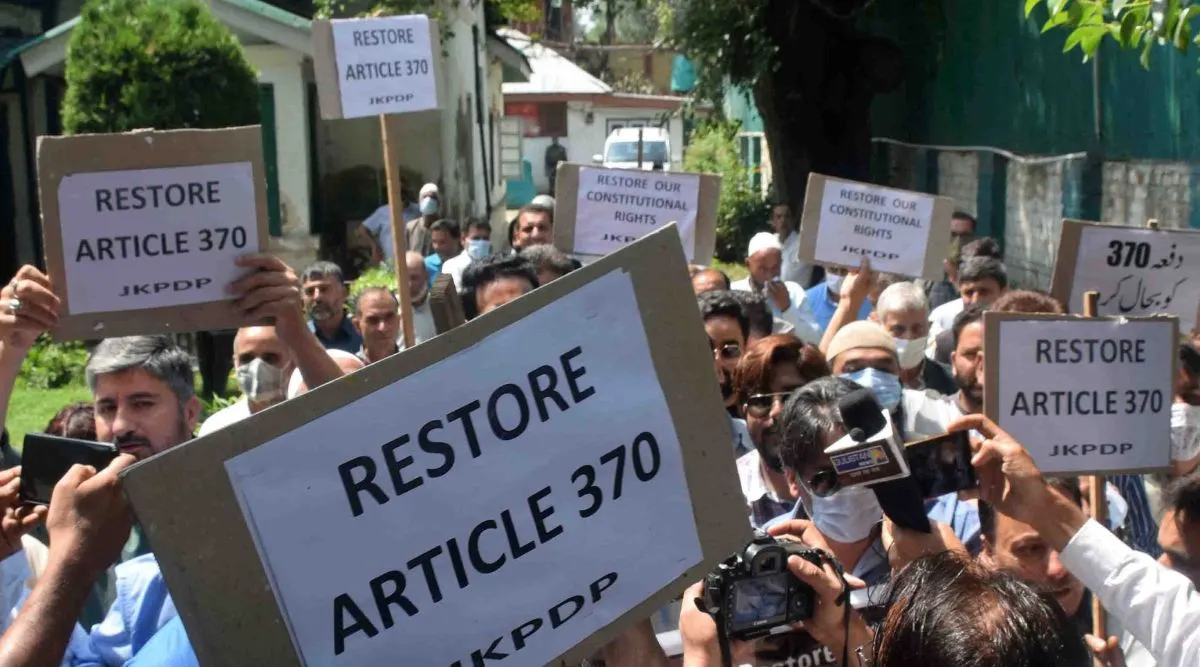
The Awami Itihaad Party (AIP) has announced that it will observe August 5 as a ‘Black Day’, marking the anniversary of the 2019 constitutional changes that revoked the special status of the former state of Jammu and Kashmir. The party said the day represents the loss of the region’s constitutional identity and reiterated its commitment to seeking the restoration of constitutional and democratic rights.
The announcement comes as political parties across Jammu and Kashmir prepare separate programmes to mark the anniversary, once again bringing Article 370 and the region’s constitutional future into the centre of political discourse.
Why August 5 Continues to Hold Political Significance
On August 5, 2019, the Union Government revoked the provisions of Article 370 and Article 35A, ending the special constitutional status of the erstwhile state of Jammu and Kashmir. Parliament also approved the Jammu and Kashmir Reorganisation Act, which bifurcated the state into the Union Territories of Jammu and Kashmir and Ladakh.
The constitutional move fundamentally altered the governance structure of the region and remains one of the most debated political decisions in independent India’s history.
For regional political parties, August 5 has since become an annual occasion to articulate their political positions, mobilise supporters and renew demands concerning constitutional rights, statehood and democratic representation.
AIP’s Position: Article 370 Remains Central
The Awami Itihaad Party has maintained that the 2019 constitutional changes were inconsistent with the constitutional guarantees that previously governed Jammu and Kashmir.
While announcing its programme for August 5, party leaders said they would continue peaceful democratic efforts to seek the restoration of rights they believe were taken away following the abrogation.
According to the party, the planned observance will include:
- Symbolic “Black Day” programmes.
- Public meetings and political outreach.
- Statements highlighting constitutional and democratic concerns.
- Peaceful demonstrations, subject to administrative permissions and prevailing security arrangements.
The party has projected the observance as both a remembrance of the constitutional changes and a political message that the debate over Article 370 remains unresolved in the eyes of many regional stakeholders.
How Regional Parties Differ on August 5
Although several opposition parties continue to criticise the 2019 constitutional changes, their political strategies have gradually diverged.
| Political Party | Position on August 5 | Primary Political Demand |
|---|---|---|
| Awami Itihaad Party (AIP) | Observing ‘Black Day’ | Restoration of Article 370 and constitutional rights |
| People’s Democratic Party (PDP) | Valley-wide protests and public outreach | Restoration of Article 370 as the foremost priority |
| Apni Party | ‘Black Day’ programmes | Restoration of Article 370 along with full statehood |
| National Conference (NC) | Political protests and constitutional campaign | Restoration of statehood as the immediate priority, while continuing the legal challenge to the 2019 changes |
The differences illustrate that while many regional parties continue to oppose the 2019 decision, they are pursuing different political and legal pathways to advance their objectives.
AIP’s Political Messaging
The Awami Itihaad Party has consistently positioned itself as a party advocating constitutional safeguards, civil liberties and political rights in Jammu and Kashmir.
By declaring August 5 as a “Black Day,” the party seeks to:
Keep Article 370 in Public Discourse
The observance ensures that the constitutional issue remains central to political discussions in the Valley despite shifting governance and development debates.
Mobilise Supporters
Public programmes provide an opportunity to reconnect with supporters and reinforce the party’s political identity ahead of future electoral developments.
Highlight Constitutional Concerns
The party argues that constitutional guarantees and democratic rights should remain central to discussions about Jammu and Kashmir’s future.
Political Implications
Article 370 Continues to Shape Regional Politics
Nearly seven years after the constitutional changes, Article 370 remains one of the defining political issues in Jammu and Kashmir. Most major regional parties continue to reference it in their political campaigns, although their priorities now vary between constitutional restoration, statehood and governance.
Opposition Unity Remains Limited
Despite sharing criticism of the 2019 decision, regional parties have not formed a unified political platform.
Differences over strategy, leadership and political priorities continue to prevent a coordinated opposition movement.
Statehood Debate Gains Equal Importance
While Article 370 remains emotionally and politically significant, the restoration of full statehood has emerged as another major demand.
Several parties argue that the return of an elected state government and restoration of statehood should proceed without further delay, while others maintain that Article 370 remains the primary constitutional issue.
Security and Administrative Preparedness
August 5 has historically witnessed heightened security arrangements across parts of Jammu and Kashmir.
Authorities typically review law and order measures, deploy additional security personnel in sensitive locations and monitor public gatherings to maintain peace during political programmes organised by various parties.
The nature and scale of public events often depend on administrative permissions and prevailing security assessments.
Public Sentiment and Political Narrative
For many political groups in the Valley, August 5 continues to represent a defining moment in Jammu and Kashmir’s constitutional history.
Supporters of the “Black Day” observance view the anniversary as an occasion to express political dissent and reiterate demands for constitutional safeguards.
At the same time, the Union Government has consistently maintained that the 2019 constitutional changes have strengthened national integration, improved governance, accelerated development and expanded access to central laws and welfare schemes in Jammu and Kashmir.
These contrasting narratives continue to shape political discourse across the region.
Fact Check & Background
- On August 5, 2019, Parliament approved measures that rendered Article 370 inoperative and facilitated the repeal of Article 35A.
- The Jammu and Kashmir Reorganisation Act, 2019 reorganised the former state into the Union Territories of Jammu and Kashmir and Ladakh.
- Regional parties, including the Awami Itihaad Party, People’s Democratic Party, National Conference and Apni Party, have continued to express differing political responses to the constitutional changes.
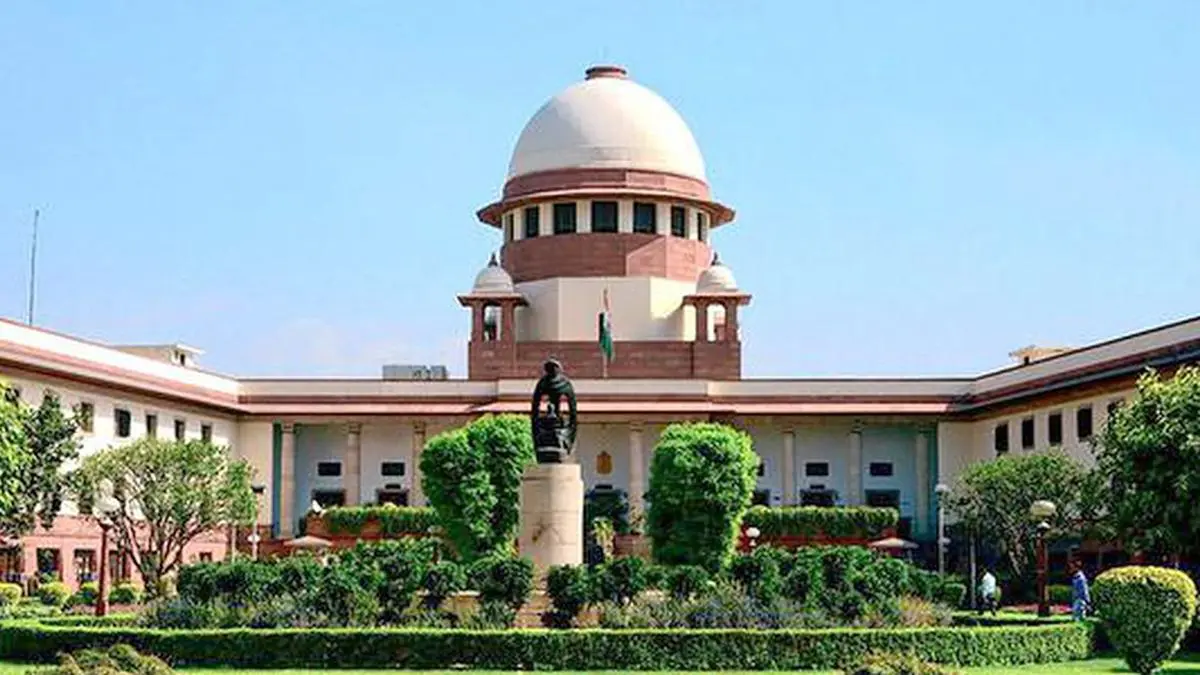
- The constitutional validity of aspects of the 2019 changes was upheld by the Supreme Court of India in its December 2023 judgment, while the Court also directed that elections to the Jammu and Kashmir Legislative Assembly be held by September 30, 2024 and observed that statehood should be restored at the earliest. The question of the timing of statehood remains a policy decision for the Union Government.
Conclusion
The Awami Itihaad Party’s decision to observe August 5 as ‘Black Day’ highlights the enduring political significance of the 2019 constitutional changes in Jammu and Kashmir. By placing the restoration of Article 370 at the centre of its campaign, the party seeks to reaffirm its political identity and mobilise public support around constitutional issues that continue to resonate with sections of the Valley’s electorate.
As regional parties adopt different strategies—ranging from demands for Article 370 restoration to prioritising full statehood—the anniversary remains a focal point for competing political narratives. While the constitutional changes have reshaped the administrative and legal framework of Jammu and Kashmir, the debate over identity, governance and democratic representation continues to influence the region’s political landscape.