Police Deny Permission for August 5 Protests Across Jammu & Kashmir, Security Tightened Ahead of Sensitive Anniversary
BY: News Desk | 04 Aug 2026
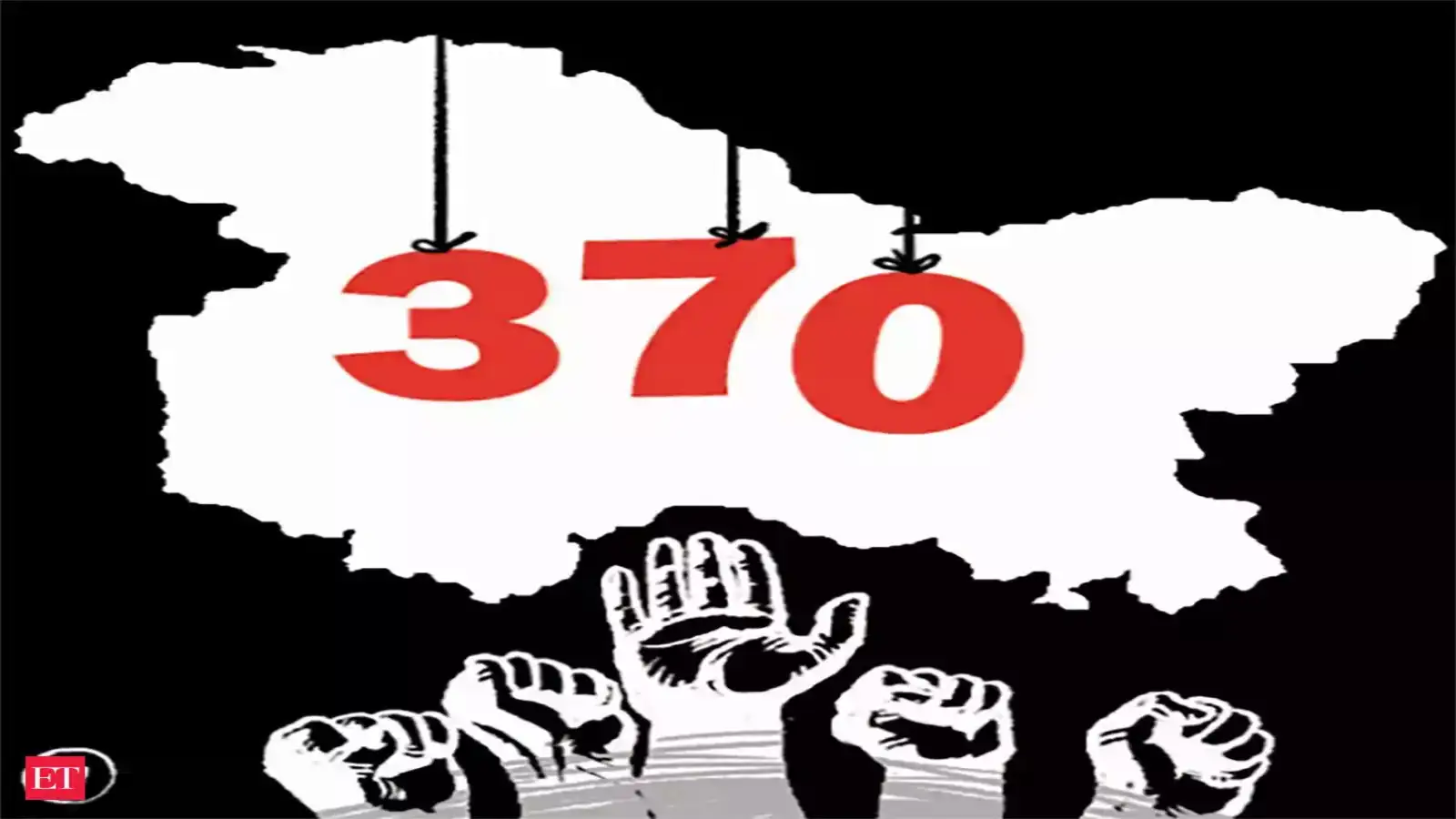
Authorities in Jammu & Kashmir have refused permission for protest demonstrations planned on August 5, the anniversary of the abrogation of Article 370, while security agencies have launched an extensive deployment across the Kashmir Valley to prevent any disruption to law and order.
The administration has significantly increased police presence, strengthened checkpoints, intensified surveillance, and stepped up monitoring of online platforms as political parties prepare to observe the day through symbolic programmes or protest calls.
Officials maintain that the measures are preventive and aimed at maintaining public order on one of the most politically sensitive dates in Jammu & Kashmir’s recent history.
August 5 Remains a Politically Sensitive Date
August 5 marks the anniversary of the Union Government’s 2019 decision to revoke the special constitutional status of the erstwhile State of Jammu & Kashmir under Article 370 and reorganise it into two Union Territories.
Since then, the date has carried sharply contrasting political narratives.
For the Central Government and the Bharatiya Janata Party (BJP), it represents a milestone in national integration and constitutional reform.
Several regional political parties in Jammu & Kashmir, however, continue to describe the move as the loss of the region’s constitutional identity and democratic rights. Many of them observe the day as a “Black Day” or organise symbolic programmes demanding restoration of constitutional safeguards.
Given these opposing narratives, authorities traditionally treat the anniversary as a high-security occasion.
No Permission Granted for Political Demonstrations
Police authorities have confirmed that no political party, organisation, or civil group has been granted permission to organise rallies, marches, sit-ins, or large public gatherings on August 5.
According to officials, the decision has been taken after a security assessment that considered the possibility of public mobilisation leading to law-and-order challenges.
Authorities have stressed that restrictions are intended to prevent any untoward incidents rather than target any particular political organisation.
Political leaders, however, argue that peaceful democratic expression should be permitted, saying that denying permission limits constitutional avenues for political dissent.
Security Deployment Intensified Across the Valley
Security arrangements have been considerably strengthened across several districts of Kashmir ahead of the anniversary.
Officials have deployed additional personnel from the Jammu & Kashmir Police and Central Armed Police Forces (CAPFs) in areas considered sensitive from a security perspective.
Major deployments have been reported in:
- Srinagar
- Baramulla
- Pulwama
- Anantnag
Security personnel have also increased patrolling in marketplaces, transport hubs, government installations, and important public intersections.
Senior police officers are conducting regular reviews to assess preparedness and coordinate responses in case of any emergency.
Checkpoints and Frisking Increased
Authorities have established additional checkpoints on highways and important roads connecting major towns.
Vehicles are being subjected to random inspections, while frisking of commuters has been intensified at strategic locations.
Officials say these measures are intended to prevent movement of unlawful materials, discourage large gatherings, and ensure rapid response in case of any security incident.
Public transport routes and entry points into Srinagar are also witnessing heightened security checks.
Authorities Monitoring Social Media Activity
Alongside physical security arrangements, agencies are closely monitoring social media platforms and messaging applications.
Officials are keeping watch for posts that could mobilise crowds, spread misinformation, or circulate unverified rumours capable of disturbing public order.
Security agencies have repeatedly appealed to citizens to rely only on verified information and avoid forwarding unconfirmed messages that may create unnecessary panic or confusion.
Digital monitoring has increasingly become a routine component of security planning during politically sensitive events in Jammu & Kashmir.
Political Parties Face Restrictions on August 5 Plans
Several political parties had announced plans to observe the anniversary through demonstrations, symbolic gatherings, or commemorative programmes.
The administration has declined permission for these proposed events.
| Political Party/Group | Planned Programme | Administrative Response |
|---|---|---|
| Peoples Democratic Party (PDP) | Valley-wide protest seeking restoration of Article 370 | Permission denied |
| National Conference (NC) | Symbolic gatherings within Kashmir | Permission denied |
| Apni Party | Observation of August 5 as “Black Day” | Permission denied |
| Awami Itihaad Party (AIP) | Black Day observance | Permission denied |
While local public gatherings have not been permitted, political leaders are expected to continue expressing their positions through press statements, social media, or activities outside Jammu & Kashmir where applicable.
Administration Focuses on Preventive Security
Officials insist that preventive deployment is designed to ensure that normal daily life remains unaffected.
The administration’s strategy includes:
- Heavy police presence in sensitive locations.
- Continuous area domination patrols.
- Enhanced surveillance at transport hubs.
- Intelligence-based monitoring.
- Rapid response teams kept on standby.
- Close coordination between civil administration and security agencies.
Authorities have urged residents to cooperate with security personnel and avoid participating in unauthorised gatherings.
Political Debate Continues Over Article 370
Nearly seven years after the constitutional changes of 2019, Article 370 remains one of the most debated political issues in Jammu & Kashmir.
Regional parties continue demanding varying degrees of constitutional restoration, statehood, and greater democratic representation.
The Union Government, meanwhile, maintains that the constitutional changes have accelerated development, improved governance, expanded investment opportunities, and strengthened integration with the rest of India.
These fundamentally different political positions continue to shape public discourse every year around August 5.
Public Sentiment Expected to Remain Divided
The restrictions are likely to generate mixed reactions across the political spectrum.
Supporters of the administration argue that strict preventive measures are necessary to avoid any deterioration in security and to maintain peace.
Opposition parties, however, are expected to describe the denial of protest permissions as a limitation on democratic expression and peaceful political activity.
Observers note that the anniversary continues to evoke strong emotions among different sections of society, making security planning a priority for the administration.
Security and Politics Continue to Intersect
The extensive deployment across Jammu & Kashmir highlights the administration’s emphasis on preventing any large-scale mobilisation during a politically sensitive period.
While the preventive measures may reduce the possibility of immediate unrest, they also underscore the continuing political divisions surrounding Article 370.
With regional parties maintaining their demands and the government reiterating its commitment to preserving law and order, August 5 once again serves as a reminder that the constitutional changes of 2019 remain central to Jammu & Kashmir’s political landscape.
Key Highlights
- Authorities denied permission for all proposed August 5 protest demonstrations across Jammu & Kashmir.
- Additional police and CAPF personnel have been deployed across Srinagar, Baramulla, Pulwama, and Anantnag.
- Road checkpoints, frisking operations, and security patrols have been significantly intensified.
- Social media and messaging platforms are under enhanced monitoring to prevent mobilisation through online campaigns.
- Regional political parties have criticised restrictions, while the administration says the measures are necessary to maintain public order.
- The anniversary of Article 370’s abrogation continues to remain one of the most politically sensitive dates in Jammu & Kashmir.