Kashmir Winter Safety: Fire Department Warns of Heating Hazards as Health Risks, Respiratory Illnesses and Elderly Care Become Major Concerns
By: News Desk | 10 November 2026
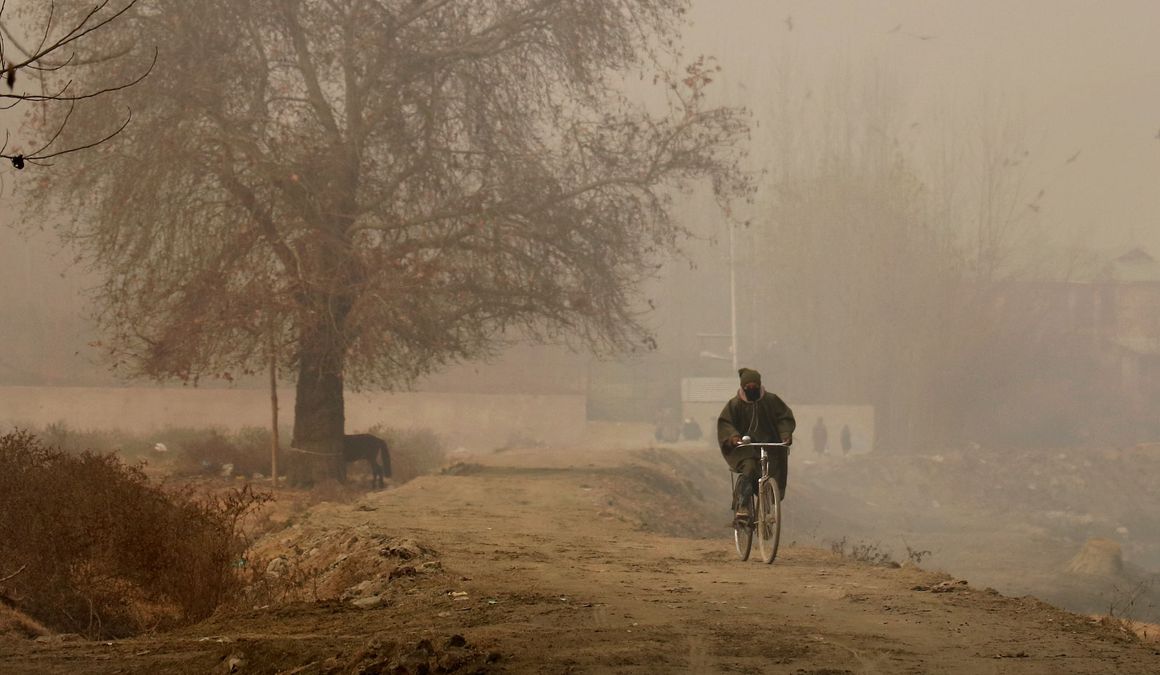
Kashmir’s winter brings more than falling temperatures. As households prepare for months of intense cold, traditional heating arrangements, electrical appliances and fuel-burning devices become essential parts of everyday life. But behind the comfort of a warm room lies a seasonal safety challenge involving domestic fires, suffocation, respiratory illnesses, cold-related complications and the vulnerability of elderly people and children.
The Jammu and Kashmir Fire and Emergency Services Department has now issued a detailed winter safety advisory, urging residents to exercise caution while using traditional Bukharis, Kangris, LPG heaters, electric blankets and other heating equipment.
The advisory, issued on November 5, 2026, and subsequently reported by several local news organisations, highlights the dangers of careless heating practices and stresses that simple preventive measures can help protect lives and property.
However, winter preparedness in Kashmir needs to extend beyond fire prevention. The season also places additional pressure on people suffering from asthma, chronic obstructive pulmonary disease (COPD), heart conditions and diabetes. Older residents, young children, people living alone and households with limited access to reliable heating require particular attention.
With temperatures expected to fall further as winter advances, the challenge for families is not simply to keep homes warm, but to do so safely while protecting the health of everyone inside.
Fire Hazards: Why Winter Heating Can Turn Dangerous
For many Kashmiri households, heating appliances are indispensable during the winter months. Bukharis provide warmth in traditional homes, Kangris remain part of everyday life, while LPG heaters and electric room heaters are increasingly used in residential buildings.
However, the risks associated with these heating arrangements differ, and treating every appliance as an ordinary source of warmth can have serious consequences.
Bukharis and Kangris: Traditional Comfort Requires Care
The traditional Bukhari remains one of the most widely used heating arrangements in Kashmir. Although it provides warmth, improper installation, poor maintenance, blocked ventilation and unsafe handling of combustible materials can increase the risk of fire and exposure to harmful combustion gases.
Kangris, meanwhile, require particular attention because they contain burning charcoal and are frequently carried around the house.
A Kangri placed too close to bedding, mattresses, carpets, curtains or clothing can ignite combustible materials. Accidental contact with burning charcoal can also cause skin burns, particularly among children and older people.
Residents should follow a few essential precautions:
-
Keep Kangris in stable positions and away from combustible materials.
-
Never leave a burning Kangri unattended.
-
Avoid placing hot charcoal containers near bedding or sleeping areas.
-
Ensure that Bukhari chimneys and smoke outlets are properly maintained.
-
Do not burn charcoal in closed rooms or poorly ventilated spaces.
-
Make sure ashes and embers are completely extinguished before disposal.
Traditional heating practices should not be abandoned, but they must be adapted to basic fire and indoor-air safety requirements.
LPG Heaters and Carbon Monoxide: The Invisible Winter Threat
One of the most serious dangers associated with fuel-burning heating equipment is carbon monoxide exposure.
Carbon monoxide is a colourless and odourless gas produced by incomplete combustion of fuels. It can accumulate indoors when appliances are defective, improperly installed or used in poorly ventilated spaces.
Unlike smoke, carbon monoxide cannot be detected through smell or sight. Exposure can cause headaches, dizziness, weakness, nausea, confusion and, in severe cases, unconsciousness or death.
The danger is particularly significant when residents operate LPG heaters or other fuel-burning appliances inside tightly closed rooms to retain warmth.
The Fire and Emergency Services Department has specifically advised residents to maintain proper ventilation and never leave LPG heaters operating while sleeping or when rooms are unattended. It has also recommended regular inspection of LPG pipes, regulators and connections, alongside switching off cylinder valves and stove knobs when appliances are not in use.
A few precautions can make a substantial difference:
-
Have gas appliances and connections inspected if leakage or damage is suspected.
-
Maintain the ventilation required by the appliance manufacturer.
-
Never use outdoor-only fuel-burning equipment inside a house.
-
Never sleep with an LPG heater running.
-
If a gas leak is suspected, avoid operating electrical switches or creating flames, leave the affected area and seek assistance from a safe location.
Residents should also understand that ventilation is not optional merely because outdoor temperatures are low. Keeping a room warm must not come at the cost of trapping dangerous combustion gases inside.
Electric Heaters and Blankets: Short Circuits, Burns and Overloading
Electrical heating appliances offer convenience, but damaged wiring and overloaded sockets can turn them into potential fire hazards.
The growing use of room heaters, electric blankets, extension boards and other electrical devices increases the load on household wiring. Older buildings with outdated electrical installations may be particularly vulnerable.
The department has advised residents to use standard-marked appliances, inspect electric blankets for damaged wiring or overheating, avoid overloading sockets and extension boards, and use properly rated fuses, MCBs and RCCBs/ELCBs.
Defective wiring should only be repaired by qualified electricians.
Electric heaters should be switched off and unplugged before sleeping or leaving home. Clothes, blankets and other combustible materials should never be placed over heaters, and electrical appliances should be kept away from water and damp surfaces.
These precautions are particularly important in households where several heating devices operate simultaneously.
Fire Emergency Preparedness: Keep Escape Routes Clear
Fire safety does not end with switching off an appliance. Families should also know how to respond if a fire breaks out.
The department has advised households to keep suitable fire extinguishers and buckets of water or sand available near heating and cooking areas. However, water must never be thrown on live electrical equipment or burning oil and grease. The appropriate extinguisher must be selected for the type of fire.
Staircases, corridors, doors and other escape routes should remain unobstructed. In densely populated residential areas, blocked passages can delay evacuation and complicate firefighting operations.
The department has also cautioned residents against leaving cooking unattended, drying clothes over heaters and carelessly disposing of burning cigarette butts or matchsticks.
Emergency contacts:
| Service | Contact number |
|---|---|
| Fire and Emergency Services | 101 |
| Srinagar Control Room | 0194-2452155 |
| Srinagar Control Room | 0194-2452222 |
| Jammu Control Room | 0191-2457705 |
| Jammu Control Room | 0191-2435283 |
These numbers are included in the published departmental advisory.
Winter Health in Kashmir: The Risks Go Beyond Fire Accidents
While fire prevention remains an immediate concern, the wider health impact of winter deserves equal attention.
The Government of India’s National Centre for Disease Control (NCDC), in its Jammu and Kashmir climate-sensitive health assessment, identifies an increase in acute respiratory infections and influenza-like illnesses during the December-April winter period.
The assessment particularly highlights people with existing medical conditions, including diabetes, hypertension and cancer, as vulnerable to seasonal health complications.
Cold weather, prolonged indoor confinement, reduced ventilation and seasonal infections can combine to increase pressure on vulnerable households.
1. Respiratory Infections, Flu and Pneumonia
Respiratory illnesses are among the major health concerns during Kashmir’s winter.
Influenza, common respiratory infections and pneumonia can affect people of all ages, but the consequences can be more serious for young children, older adults and people with weakened immunity.
Cold and dry air can also aggravate existing respiratory conditions. People suffering from asthma and COPD may experience increased breathing difficulties, particularly when exposed to cold air, smoke or indoor pollutants.
The NCDC’s national health guidance explains that cold spells can contribute to increased respiratory illness, while cold, dry air can aggravate chronic conditions such as asthma and COPD.
Families should take practical precautions:
-
Avoid unnecessary exposure to extremely cold outdoor conditions.
-
Maintain clean and adequately ventilated indoor spaces.
-
Cover the nose and mouth when going outside in severe cold.
-
Avoid smoking and exposure to household smoke.
-
Maintain prescribed medication schedules.
-
Seek medical advice if fever, persistent cough or breathing difficulties develop.
Flu vaccination should also be discussed with a healthcare professional, particularly for older adults and people with chronic medical conditions, according to applicable vaccination recommendations.
2. Cold Exposure, Hypothermia and Frostbite
Another winter health concern is hypothermia, a condition in which the body’s temperature falls dangerously low.
It occurs when the body loses heat faster than it can produce it. Prolonged exposure to cold, inadequate clothing, insufficient heating and wet clothing can increase the risk.
Older adults, infants and people who remain outdoors for extended periods are particularly vulnerable.
Early warning signs in adults include:
-
Persistent shivering.
-
Unusual tiredness or exhaustion.
-
Confusion or memory problems.
-
Slurred speech.
-
Poor coordination and fumbling hands.
-
Excessive drowsiness.
In babies, warning signs may include unusually low energy, cold skin and reduced responsiveness.
Hypothermia is a medical emergency. A person showing these symptoms should be moved to a warm, sheltered place, wet clothing should be removed, and dry blankets should be used to provide gentle warmth while emergency medical assistance is arranged.
Frostbite and other cold-related injuries can also affect exposed skin, particularly the fingers, toes, nose and ears.
3. Heart Patients and People Living With Diabetes Need Extra Attention
Winter can place additional strain on people with cardiovascular conditions.
Cold exposure causes blood vessels to narrow, which can increase blood pressure and place additional demands on the heart. The risk is especially concerning for people already living with hypertension, coronary artery disease or other cardiovascular conditions.
Older people and those with diabetes may also experience complications associated with prolonged cold exposure.
People with diabetes should pay particular attention to foot care, as reduced sensation can make it difficult to recognise cold-related injuries or burns from heating devices.
A few important measures include:
-
Take prescribed medicines regularly.
-
Monitor blood pressure and blood glucose as advised.
-
Avoid sudden exposure to extreme temperature changes.
-
Wear warm socks and appropriate footwear.
-
Check feet regularly for injuries, burns or changes in skin colour.
-
Consult a doctor if chest discomfort, unusual breathlessness or unexplained weakness develops.
Chest pain, sudden weakness on one side of the body, facial drooping or difficulty speaking require immediate emergency medical attention.
4. Elderly Care: A Family Responsibility During Harsh Winter
Older people often face greater difficulty maintaining body temperature during winter. Age-related changes, reduced mobility, chronic illnesses and inadequate heating can make them more vulnerable to cold-related complications.
For elderly residents living alone, even routine activities such as purchasing medicines, collecting groceries or visiting a healthcare facility can become difficult during severe winter conditions.
Families should therefore make regular winter check-ins a priority.
Important measures include:
-
Ensure that elderly family members have warm clothing, blankets and adequate heating.
-
Check whether their heating appliances are functioning safely.
-
Keep essential medicines and medical supplies available.
-
Arrange regular medical consultations for people with chronic illnesses.
-
Ensure sufficient food and fluid intake.
-
Help them avoid unnecessary outdoor exposure during severe cold.
-
Check on elderly neighbours and relatives who live alone.
Particular attention should be given to people with limited mobility, dementia, cardiovascular conditions and respiratory illnesses.
An elderly person becoming unusually confused, sleepy, weak or unsteady should not simply be assumed to be experiencing normal winter tiredness. Such changes can indicate a serious medical problem and require prompt assessment.
5. Children and Infants: Protecting the Most Vulnerable
Children, especially infants and those below five years of age, require special attention during winter.
Their bodies are more vulnerable to temperature fluctuations, and respiratory infections can sometimes progress quickly.
Parents should ensure that children wear appropriate layers of clothing, remain adequately hydrated and avoid prolonged exposure to cold conditions.
Infants should be kept comfortably warm without excessive bedding or loose blankets that could obstruct their breathing. Heating devices should be placed well away from children’s reach, and Kangris should never be left unattended around children.
Parents should seek medical attention if a child develops rapid or difficult breathing, unusual drowsiness, poor feeding, dehydration or persistent high fever.
6. Joint Pain, Reduced Mobility and Winter Falls
Winter also creates practical difficulties for people suffering from arthritis, joint pain and mobility-related problems.
Cold weather may make stiffness and discomfort more noticeable, while icy surfaces, damp staircases and poorly lit pathways increase the likelihood of falls.
Older people are particularly vulnerable to fractures and injuries following a fall.
Households can reduce these risks by keeping entrances and staircases dry, ensuring adequate lighting, using footwear with a good grip and installing handrails where necessary.
Gentle indoor physical activity, as medically appropriate, can help people maintain mobility during periods when outdoor movement becomes difficult.
7. Winter Nutrition, Hydration and Mental Well-being
Another commonly overlooked aspect of winter health is nutrition.
People often drink less water during cold weather because they do not feel as thirsty as they do in summer. However, adequate hydration remains important.
A balanced winter diet should include seasonal vegetables, fruits, pulses, proteins, whole grains and other nutritious foods.
Warm meals and drinks can provide comfort, but excessive consumption of sugary beverages and heavily salted foods should be avoided, particularly by people with diabetes and hypertension.
Winter can also affect mental well-being. Shorter daylight hours, reduced outdoor activity, prolonged indoor confinement and social isolation can contribute to low mood and emotional distress.
Older people living alone may be particularly affected.
Regular family interaction, social engagement, appropriate physical activity and access to natural daylight can help maintain emotional well-being.
Winter Pollution and Indoor Air Quality: A Growing Household Concern
Winter brings another challenge that often receives less attention: indoor air pollution.
As temperatures fall, families tend to keep doors and windows closed for longer periods. At the same time, the use of Bukharis, wood-burning appliances, coal and other heating arrangements increases.
Smoke, particulate matter and other combustion products can accumulate indoors, particularly where ventilation is inadequate.
This can aggravate asthma, COPD and other respiratory conditions. Children, older people and individuals with existing lung diseases are particularly vulnerable.
The NCDC’s assessment of climate-sensitive health conditions in Jammu and Kashmir also highlights the relationship between seasonal conditions and respiratory illness.
Households should therefore maintain appropriate ventilation, avoid burning unsuitable fuels indoors and ensure that chimneys and smoke outlets are functioning properly.
Keeping a home warm and maintaining healthy indoor air must go hand in hand.
Winter Preparedness in Kashmir: Why Poor and Remote Households Need Attention
Winter safety is not only an individual household responsibility. It also has a wider socioeconomic dimension.
Families living in remote villages, poorly insulated houses and economically disadvantaged communities often face additional difficulties during harsh winter conditions.
The cost of heating fuel, electricity interruptions, limited healthcare access and difficult road connectivity can make winter particularly challenging.
For some households, the choice is between reducing heating expenses and maintaining comfortable indoor temperatures.
This creates a difficult situation, particularly for elderly residents, people with disabilities and families with young children.
Winter preparedness should therefore include wider community support, accessible healthcare services and public awareness.
Local administrations, healthcare facilities, community organisations and voluntary groups can contribute by:
-
Identifying elderly people and vulnerable families who may require assistance.
-
Ensuring access to essential medicines and healthcare.
-
Conducting public awareness programmes on fire and heating safety.
-
Supporting households with limited heating resources.
-
Ensuring emergency response arrangements remain accessible.
-
Encouraging neighbourhood-level assistance during severe weather.
The NCDC’s national cold-wave advisory identifies elderly people, children, economically disadvantaged households, people with disabilities and outdoor workers among groups requiring particular protection.
A Practical Winter Safety Checklist for Every Kashmiri Household
As winter progresses, families should make a habit of checking their homes, heating arrangements and health requirements.
Home and fire safety
Family health
Emergency readiness
The Bigger Message: A Safe Winter Requires More Than Heating
Kashmir’s winter preparedness should not be measured simply by how effectively households protect themselves from the cold. It should also be measured by how safely they use heating equipment, how well they protect vulnerable family members and how quickly they respond to medical emergencies.
The Fire and Emergency Services Department’s advisory is an important reminder that many domestic fire incidents and heating-related accidents can be prevented through basic precautions.
But the wider challenge extends beyond fire safety. Seasonal respiratory infections, cold-related cardiovascular complications, hypothermia, indoor air pollution and the difficulties faced by elderly people require equal attention.
For families, the message is straightforward: keep homes warm, but never compromise ventilation and fire safety; protect children and older people; maintain essential medication; and seek medical assistance when warning signs appear.
A little preparation before the harshest part of winter can prevent avoidable emergencies and make the season safer for thousands of families across Kashmir.


