Petrol Diesel Price Hike 2026: Fuel Rates Increased by ₹3 Per Litre Across India, Inflation Concerns Rise
By: Javid Amin | 14 May 2026
Fuel Price Hike 2026: Petrol Nears ₹100 Mark in Delhi as Global Oil Shock Hits India
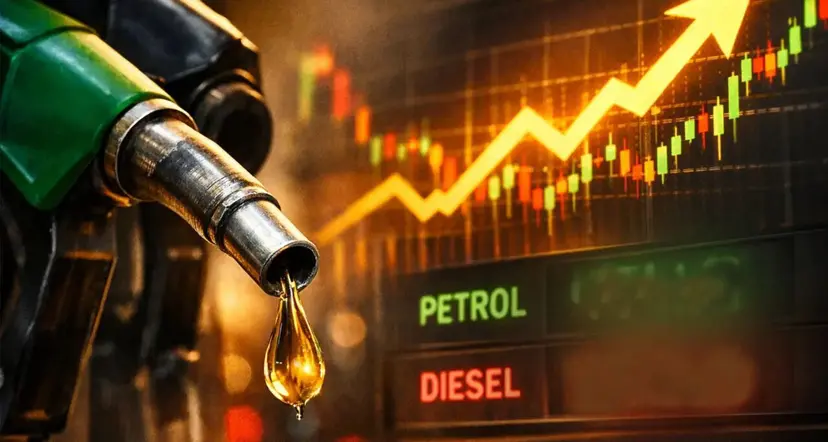
India has announced a fresh hike in petrol and diesel prices, increasing rates by ₹3 per litre each with immediate effect. The move, confirmed by industry officials on May 15, 2026, marks the first major nationwide fuel revision in nearly four years and is expected to have a cascading impact on transportation, inflation, and household expenses across the country.
In the national capital, petrol prices have risen from ₹94.77 to ₹97.77 per litre, while diesel now costs ₹90.67 per litre. Similar hikes have been recorded in Mumbai, Kolkata, Chennai, and other cities.
The increase comes amid rising global crude oil prices linked to escalating geopolitical tensions in West Asia and volatility around the Strait of Hormuz — one of the world’s most crucial oil shipping routes.
Why Petrol and Diesel Prices Were Increased
According to reports, state-owned oil marketing companies such as Indian Oil Corporation, Bharat Petroleum Corporation Limited, and Hindustan Petroleum Corporation Limited revised fuel prices after facing mounting pressure from rising international crude costs.
Global oil prices surged sharply in recent weeks after geopolitical instability in West Asia disrupted market sentiment and raised fears of supply-chain disruptions. Reports indicate crude prices had crossed $120 per barrel before stabilising around $100–105.
India imports nearly 85–89% of its crude oil requirement, making domestic fuel prices highly vulnerable to international fluctuations and currency movements.
Analysts say the latest revision reflects both:
- Global crude market pressure
- Domestic revenue balancing needs of oil companies
Revised Petrol and Diesel Prices in Major Cities
Petrol Prices After Hike
| City | New Petrol Price |
|---|---|
| Delhi | ₹97.77 |
| Mumbai | ₹106.68 |
| Kolkata | ₹108.74 |
| Chennai | ₹103.67 |
Diesel Prices After Hike
| City | New Diesel Price |
|---|---|
| Delhi | ₹90.67 |
| Mumbai | ₹93.14 |
| Kolkata | ₹95.13 |
| Chennai | ₹95.25 |
Impact on Common People: Why This Hike Matters
1. Transportation Costs Set to Rise
The immediate impact is expected in the transport sector. Auto-rickshaw fares, cab prices, truck logistics, and bus operations are likely to become more expensive in the coming weeks.
Transport unions in several states are already indicating possible fare revision demands if fuel costs continue to rise.
Since diesel powers India’s freight economy, even a small increase often translates into higher logistics expenses nationwide.
2. Inflation Pressure May Intensify
Economists warn that the fuel price hike could trigger a broader inflationary effect.
Essential commodities such as:
- Vegetables
- Milk
- Fruits
- Packaged foods
- Construction materials
may become costlier due to rising transportation and distribution expenses.
Retail inflation, which had shown signs of moderation earlier this year, could again face upward pressure if crude prices remain elevated globally.
3. Household Budgets Under Stress
For middle-class and lower-income families, the hike adds another layer of financial strain.
Daily commuters using:
- Motorcycles
- Scooters
- Personal cars
will now spend significantly more on monthly fuel consumption.
Families already dealing with:
- School fees
- Electricity bills
- Rising food prices
- Housing expenses
may find their monthly budgets tightening further.
4. Agriculture Sector Could Feel the Heat
Diesel remains crucial for:
- Irrigation pumps
- Tractors
- Harvesting equipment
- Rural transportation
Higher diesel prices may increase farming costs, especially ahead of key agricultural activities in several states.
Experts warn that if fuel inflation persists, farmers may eventually pass on the added costs to consumers, impacting food prices.
Economic Ripple Effect Across Sectors
Economists believe fuel prices influence almost every layer of the economy.
Sectors Likely to Be Impacted:
- Logistics and transportation
- Agriculture
- Manufacturing
- Aviation
- E-commerce delivery networks
- Small businesses
- Tourism and travel
India’s service sector may also witness indirect cost escalation as operational and commuting expenses rise.
Several market analysts say the current increase may only partially reflect the real pressure from international crude prices, suggesting future revisions cannot be ruled out if geopolitical tensions worsen.
Public Reaction: Frustration and Anxiety Visible Online
The fuel hike has sparked widespread reactions on social media platforms and online discussion forums.
Many users expressed concern over:
- Rising living costs
- Inflation burden
- Reduced savings
- Fear of further hikes
Some users argued the increase would directly impact food prices and everyday essentials, while others questioned why fuel taxes remain high despite previous periods of lower crude oil prices.
Fuel Prices in India: How Daily Revision Works
India follows a dynamic fuel pricing system where petrol and diesel rates are revised based on:
- International crude oil prices
- Rupee-dollar exchange rate
- Freight costs
- Refining margins
- Central and state taxes
Although daily revision mechanisms exist, oil marketing companies had largely kept rates stable since April 2022, except for a temporary ₹2 reduction before the 2024 Lok Sabha elections.
The latest increase effectively ends that prolonged freeze.
Will Fuel Prices Rise Further?
Energy market experts say future price movements will depend heavily on:
- Global crude oil trends
- Stability in West Asia
- Supply conditions in global shipping routes
- Government tax decisions
If geopolitical tensions continue and crude prices remain elevated, consumers could face additional pressure in the months ahead.
However, analysts also note that the government may consider tax adjustments or excise duty changes if inflation spikes sharply.
Conclusion
The ₹3 per litre increase in petrol and diesel prices has once again highlighted India’s vulnerability to global energy shocks. While oil companies argue the revision was necessary to offset rising input costs, the decision is likely to deepen inflation concerns and place additional pressure on households already grappling with expensive essentials.
From transportation to agriculture and household budgets, the ripple effect of fuel inflation is expected to spread across the economy in the coming weeks.
For millions of Indians, the latest fuel hike is not just about paying more at petrol pumps — it signals another challenge in managing everyday living costs in an increasingly uncertain global economic environment.