‘PDP and BJP Are Birds of the Same Flock’: Dy CM Surinder Choudhary Sharpens Attack Ahead of Crucial J&K Political Meeting
By: Javid Amin | 01 June 2026
Deputy Chief Minister Accuses PDP and BJP of Political Convenience, Attempts to Reinforce NC’s Position as Principal Alternative
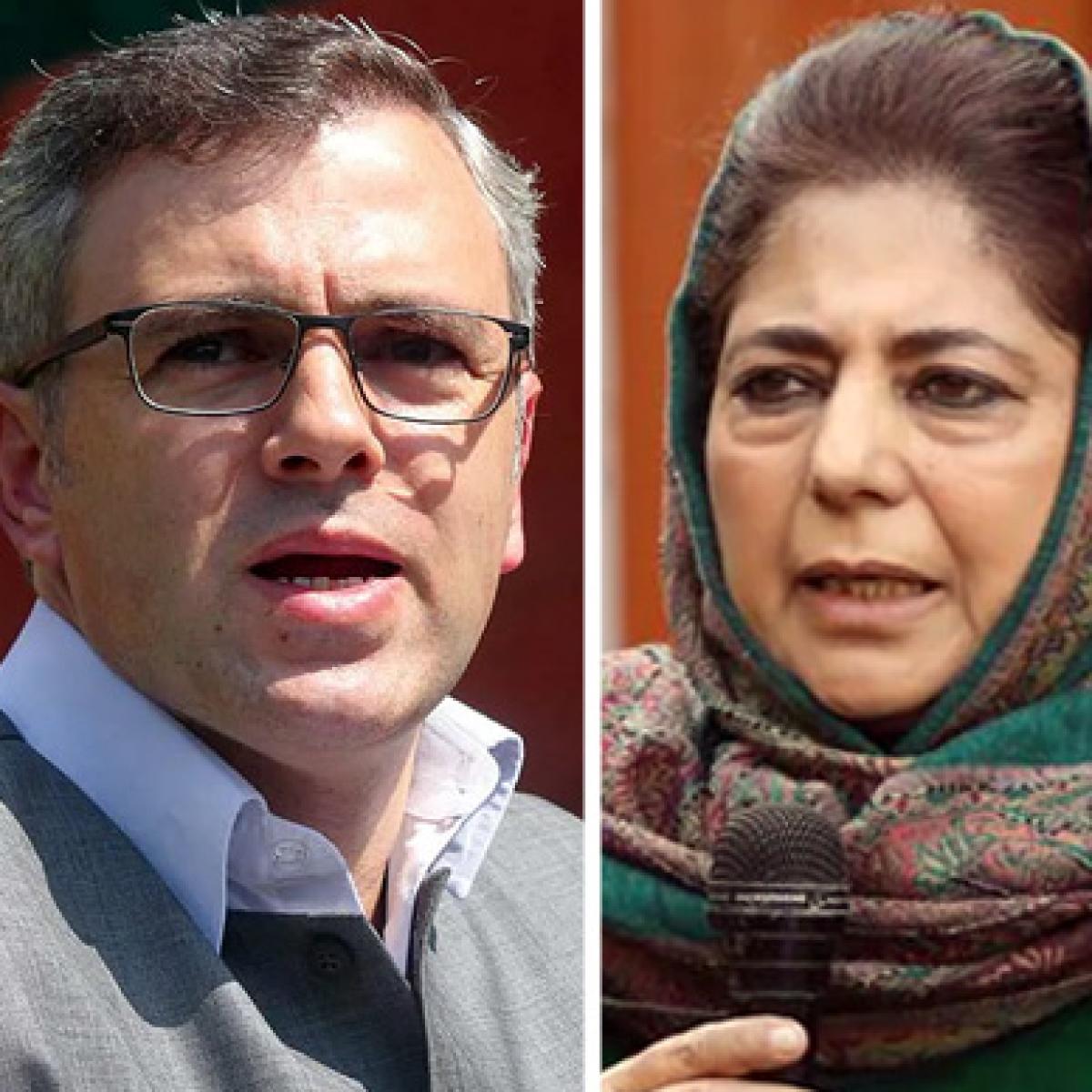
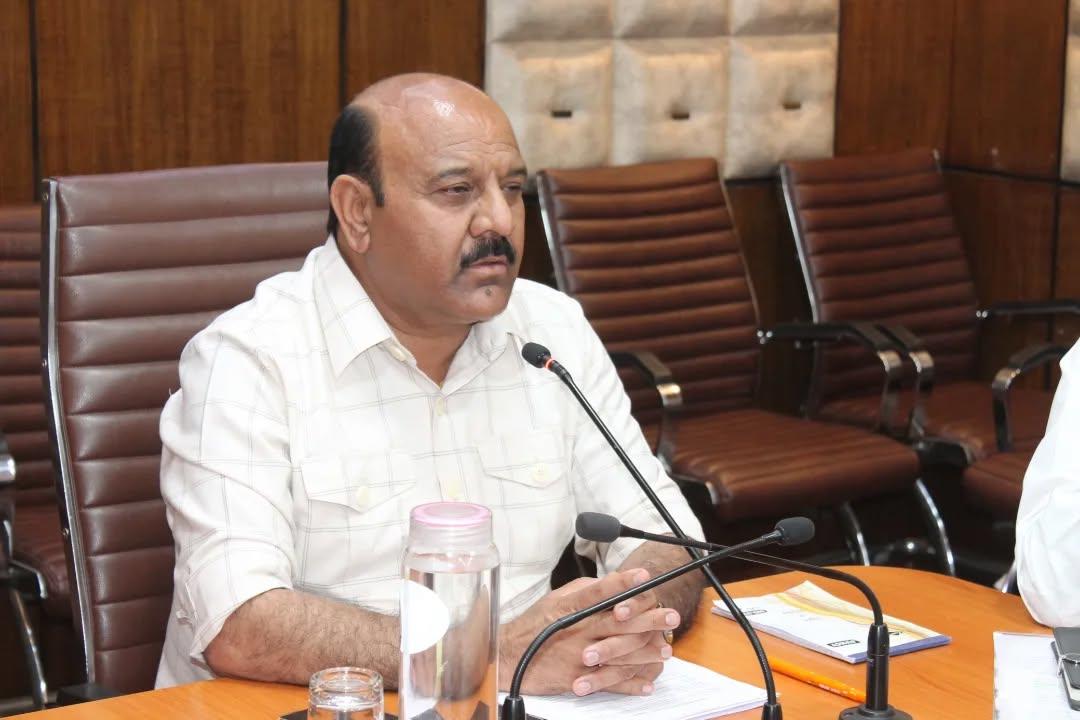
Srinagar: With political temperatures rising ahead of the June 3 meeting of legislators convened by Jammu and Kashmir Chief Minister Omar Abdullah, Deputy Chief Minister Surinder Choudhary has launched one of his sharpest attacks yet on the opposition, declaring that the People’s Democratic Party (PDP) and the Bharatiya Janata Party (BJP) are “birds of the same flock.”
The remark, laden with political symbolism, reflects an increasingly aggressive narrative being advanced by the ruling Jammu & Kashmir National Conference (NC) as it seeks to consolidate its support base and counter criticism from rival parties.
Choudhary’s comments come at a politically sensitive moment when debates over governance, development, public welfare, and the future political direction of Jammu and Kashmir continue to dominate public discourse.
A Direct Attack on Both Rivals
In his criticism, the Deputy Chief Minister argued that despite their public disagreements, the PDP and BJP have repeatedly found common political ground whenever it suited their interests.
The statement appears aimed at reviving public memory of the PDP-BJP coalition government that governed Jammu and Kashmir between 2015 and 2018, a period that remains a contentious chapter in the region’s political history.
According to Choudhary, both parties have often presented themselves as ideological opponents while simultaneously engaging in political arrangements that benefited them electorally and strategically.
The “same flock” remark was designed to challenge the credibility of both opposition parties and portray them as part of a shared political framework rather than genuine alternatives.
Why the Timing Matters
The political significance of the statement lies not only in its content but also in its timing.
Just days before Chief Minister Omar Abdullah’s meeting with legislators, the ruling establishment is attempting to project unity and confidence while facing increasing scrutiny over governance and public expectations.
Political analysts believe the NC is working to shape the narrative ahead of the high-level meeting by shifting attention toward opposition contradictions and historical alliances.
The June 3 gathering is expected to focus on governance priorities, administrative coordination, developmental challenges, and constituency-level concerns. Against that backdrop, Choudhary’s remarks also serve a broader political objective: rallying party workers and reinforcing the NC’s positioning as the principal political force in Jammu and Kashmir.
NC’s Strategy: Presenting Itself as the Distinct Alternative
At the heart of the Deputy Chief Minister’s remarks is an attempt to draw a clear distinction between the National Conference and its rivals.
The ruling party’s political messaging increasingly emphasizes three themes:
1. Consistency in Regional Politics
NC leaders argue that their party has maintained a consistent political position on issues concerning Jammu and Kashmir, unlike opponents whom they accuse of changing positions according to political convenience.
2. Governance-Focused Politics
The party seeks to highlight governance, development, employment generation, and public welfare as its primary priorities while portraying opposition parties as focused on political confrontation.
3. Historical Accountability
By repeatedly invoking past alliances and political arrangements, NC leaders are attempting to frame current political debates through the lens of accountability and public memory.
This strategy is particularly significant as parties begin positioning themselves for future electoral and political contests.
The PDP-BJP Alliance Continues to Cast a Long Shadow
Years after the coalition government collapsed, the PDP-BJP partnership remains a powerful political reference point in Jammu and Kashmir.
For the National Conference, it offers a potent argument to question the PDP’s claims of ideological distinctiveness.
The PDP, meanwhile, has often defended the alliance as a political experiment undertaken under exceptional circumstances, while also arguing that subsequent events demonstrated the limitations of the arrangement.
The BJP has consistently maintained that the coalition was formed within a democratic framework and reflected the electoral mandate of the time.
Yet the alliance continues to be invoked by rivals whenever questions of political credibility and consistency arise.
Opposition Likely to Push Back
Political observers expect strong responses from both the PDP and BJP.
The PDP is likely to accuse the ruling party of attempting to divert attention from governance challenges by focusing on political rhetoric rather than policy outcomes.
The BJP, on the other hand, may argue that the National Conference is resorting to political attacks because it is struggling to address issues such as unemployment, development delays, and administrative inefficiencies.
Both parties have previously accused the NC of engaging in selective political memory and using historical alliances as a convenient campaign tool.
As a result, Choudhary’s comments are unlikely to go unanswered.
Impact on Public Perception
One of the central objectives of the Deputy Chief Minister’s statement appears to be influencing public perception.
If the NC succeeds in convincing voters that the PDP and BJP are fundamentally similar despite their public disagreements, it could weaken the opposition’s ability to present itself as a credible alternative.
Political communication experts note that modern political campaigns often focus on shaping perceptions rather than merely debating policies.
By portraying rivals as indistinguishable, a party can attempt to consolidate support among undecided voters and strengthen its own political identity.
However, such narratives only succeed if they resonate with public experiences and broader political realities.
Risks of Escalating Political Rhetoric
While the statement may energize party supporters, it also carries risks.
Increased Polarization
Sharp political rhetoric can deepen divisions between competing political camps and make constructive dialogue more difficult.
Governance Taking a Back Seat
As political attacks intensify, substantive discussions on employment, infrastructure, healthcare, education, and economic growth risk being overshadowed.
Counter-Mobilization
Aggressive criticism can also galvanize opposition supporters, creating a stronger response from rival parties rather than weakening them.
Political analysts caution that voters often expect governments to balance political messaging with visible governance outcomes.
What It Means Ahead of the June 3 Meeting
The Deputy Chief Minister’s remarks provide an early indication of the political mood surrounding the June 3 legislators’ meeting.
While the official focus remains governance, development, public welfare, and administrative performance, the political battle for narrative dominance is clearly underway.
The ruling National Conference appears determined to frame itself as the only credible political alternative while portraying both the PDP and BJP as two sides of the same coin.
Whether that argument gains traction among voters will depend not only on political rhetoric but also on the government’s ability to deliver tangible improvements in people’s daily lives.
Conclusion
Deputy Chief Minister Surinder Choudhary’s assertion that the PDP and BJP are “birds of the same flock” marks a significant escalation in Jammu and Kashmir’s political discourse. The statement is more than a partisan jibe; it reflects a broader strategy by the ruling National Conference to challenge the credibility of its opponents and consolidate its own political narrative.
As the June 3 legislators’ meeting approaches, the contest is no longer just about governance and development. It is also about shaping public perception, defining political identities, and determining which party can most effectively claim to represent the aspirations of the people of Jammu and Kashmir.