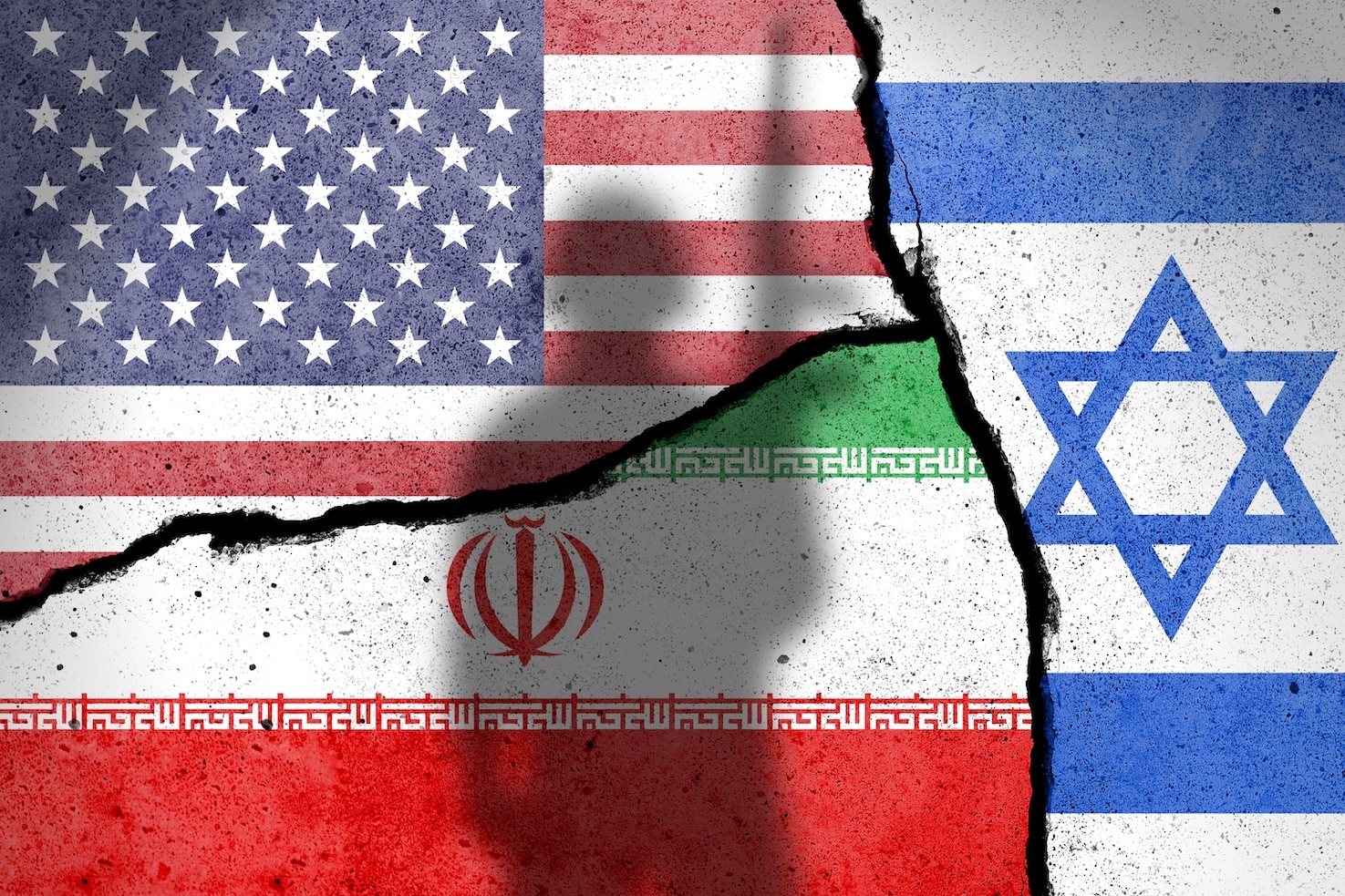
A Region on Fire: How the US–Israel War with Iran Is Expanding Into a Global Crisis
By: Javid Amin | 30 March 2026
Conflict Without Containment
As of March 30, 2026, the conflict involving the United States, Israel, and Iran has moved beyond a bilateral confrontation into a full-scale regional crisis. What began as targeted military strikes has now evolved into a multi-front war, with widening geographic reach, rising civilian casualties, and deepening economic consequences.
Diplomatic channels appear fractured. The collapse of peace talks in Islamabad signals not just a missed opportunity, but a broader failure of regional mediation efforts. Meanwhile, military escalation continues unabated, drawing in new actors and exposing vulnerabilities across the Middle East.
The implications are no longer confined to the region—they are global, systemic, and increasingly difficult to contain.
1. On-Ground Escalation: From Conflict to Regional War
Iran’s Hardline Response
Iran’s rejection of the Islamabad talks marks a decisive shift toward confrontation. By labeling diplomacy as a “cover,” Tehran has effectively signaled that it sees the current phase as existential rather than negotiable.
Its warning—that any US ground troop deployment would be “set on fire”—underscores a readiness to escalate asymmetrically, particularly through proxy networks and regional strikes.
Sustained US–Israel Military Campaign
The United States and Israel have intensified strikes on Iranian military and nuclear infrastructure. These operations aim to degrade Iran’s strategic capabilities but carry significant risks:
- Expansion of retaliatory attacks
- Civilian collateral damage
- Escalation into broader regional conflict
Iran’s Expanding Retaliation
Iran’s response is no longer limited to its own territory.
- Missile and drone strikes on US bases in Saudi Arabia
- Attacks extending to Kuwait and potentially Bahrain
- Rising American casualties
This geographic expansion signals a deliberate strategy: to increase the cost of engagement for US allies and stretch the battlefield across the Gulf.
2. The Houthis Factor: War Extends to Global Trade Routes
Opening a New Front
The entry of Yemen’s Houthi forces has fundamentally altered the conflict’s dynamics.
Their actions include:
- Missile strikes targeting Israel
- Threats to Red Sea shipping lanes
- Potential disruption of one of the world’s busiest maritime corridors
Why This Matters Globally
The Red Sea is a critical artery for global trade, particularly for:
- Oil shipments
- Container shipping between Asia and Europe
- Strategic maritime logistics
Any sustained disruption here could:
- Increase shipping costs dramatically
- Delay global supply chains
- Trigger inflation beyond energy markets
The conflict is no longer just about territory—it is now about control over global economic lifelines.
3. Regional Fallout: Fragile Alliances and Rising Civilian Costs
Saudi Arabia: Strategic but Vulnerable
Saudi Arabia finds itself in a precarious position:
- Hosting US military bases
- Absorbing Iranian-linked strikes on key oil infrastructure
- Avoiding direct retaliation to prevent full-scale war
The targeting of facilities such as Ras Tanura highlights a critical vulnerability: even heavily defended energy hubs are not immune.
Civilian Casualties and Expatriate Risk
The death of an Indian national in Kuwait underscores the widening human cost of the conflict.
This has broader implications:
- Heightened fear among expatriate communities
- Pressure on governments to initiate evacuations
- Disruption to remittance flows
For countries like India, the stakes are both humanitarian and economic.
Collapse of Diplomacy
Efforts by Pakistan, Turkey, Egypt, and Saudi Arabia to mediate have failed—for now.
Iran’s position is clear:
Any country hosting US forces may be treated as a legitimate target.
This effectively expands the conflict’s potential footprint across the Gulf.
4. Strategic Alignments: A Divided Region
Emerging Conflict Blocs
The region is increasingly polarizing into identifiable blocs:
Pro-US Alignment
- United States (leading military operations)
- Israel (direct confrontation)
- Gulf states like UAE and Bahrain (logistical support)
Iran-Led Axis
- Iran (central actor)
- Houthis (active military support)
- Potential backing from regional proxies
Neutral/Mediator Bloc
- Pakistan
- Turkey
- Egypt
- Saudi Arabia (strategically aligned but diplomatically cautious)
This fragmentation reduces the chances of quick resolution and increases the likelihood of miscalculation.
5. Forward-Looking Scenarios (April–June 2026)
Scenario 1: Continued Escalation (High Likelihood)
Trajectory
- Intensified US–Israel strikes on Iran
- Expanded Iranian retaliation across Gulf states
- Increased Houthi attacks on shipping routes
Global Impact
- Oil prices surge further beyond current highs
- Shipping insurance costs spike
- Supply chain disruptions intensify
Assessment
This scenario is currently the most probable given the collapse of diplomacy and entrenched positions on all sides.
Scenario 2: Partial Ceasefire (Moderate Likelihood)
Trajectory
- Temporary halt in major strikes
- Mediators push for limited de-escalation
- Proxy activity reduces but does not stop
Global Impact
- Short-term stabilization in oil markets
- Continued volatility due to uncertainty
- Partial recovery in trade flows
Assessment
Possible if backchannel diplomacy gains traction, but fragile and reversible.
Scenario 3: Diplomatic Breakthrough (Low Likelihood)
Trajectory
- Structured negotiations involving global powers
- Conditional agreements on nuclear activity and sanctions
- Gradual military de-escalation
Global Impact
- Oil prices stabilize or decline
- Shipping routes normalize
- Investor confidence returns
Assessment
Unlikely in the near term without intervention from major external powers.
6. Risk-Impact Matrix: A Systemic Shock Assessment
| Scenario | Oil Supply Risk | Regional Security Risk | Global Market Impact |
|---|---|---|---|
| Escalation | Severe | Severe | Severe |
| Partial Ceasefire | Moderate | Moderate | Moderate |
| Diplomatic Breakthrough | Low | Low | Low |
Interpretation
- Energy markets remain the most sensitive variable
- Regional security risks are directly tied to proxy expansion
- Global markets are reacting to both uncertainty and supply disruptions
7. Global Economic Implications
Oil and Energy Markets
- Sustained high prices could trigger inflation globally
- Import-dependent economies (like India) face severe pressure
- Strategic reserves may be deployed more aggressively
Shipping and Trade
- Red Sea and Gulf routes face elevated risk
- Insurance premiums and freight costs rising sharply
- Delays affecting global supply chains
Financial Markets
- Increased volatility in equities
- Safe-haven demand rising (gold, USD)
- Emerging markets facing capital outflows
8. Strategic Outlook: What Comes Next
Short-Term (Next 3 Months)
- Continued volatility in oil and financial markets
- Rising geopolitical risk premiums
- Increased military engagement across multiple fronts
Medium-Term (6–12 Months)
- Potential restructuring of global energy supply chains
- Greater focus on alternative routes and suppliers
- Strategic realignments among global powers
Long-Term
- Acceleration of energy diversification
- Reduced dependence on conflict-prone regions
- Emergence of new geopolitical blocs
Conclusion: A Conflict With Global Consequences
The US–Israel war with Iran is no longer a contained geopolitical event—it is a systemic global crisis in the making.
With multiple actors involved, critical trade routes under threat, and diplomacy stalled, the risks are escalating across economic, humanitarian, and strategic dimensions.
The next quarter will be decisive.
While a partial ceasefire remains possible, the dominant trajectory points toward continued escalation—one that could reshape not only the Middle East but also the global economic order.
For now, the world watches a conflict that is no longer regional, but unmistakably global.