No Eid Namaz at Srinagar’s Jama Masjid Again: Since When Have Restrictions Been in Place?
By: Javid Amin | 27 May 2026
Historic Mosque Remains Closed for Eid-ul-Adha 2026 as Restrictions Continue Into Another Year
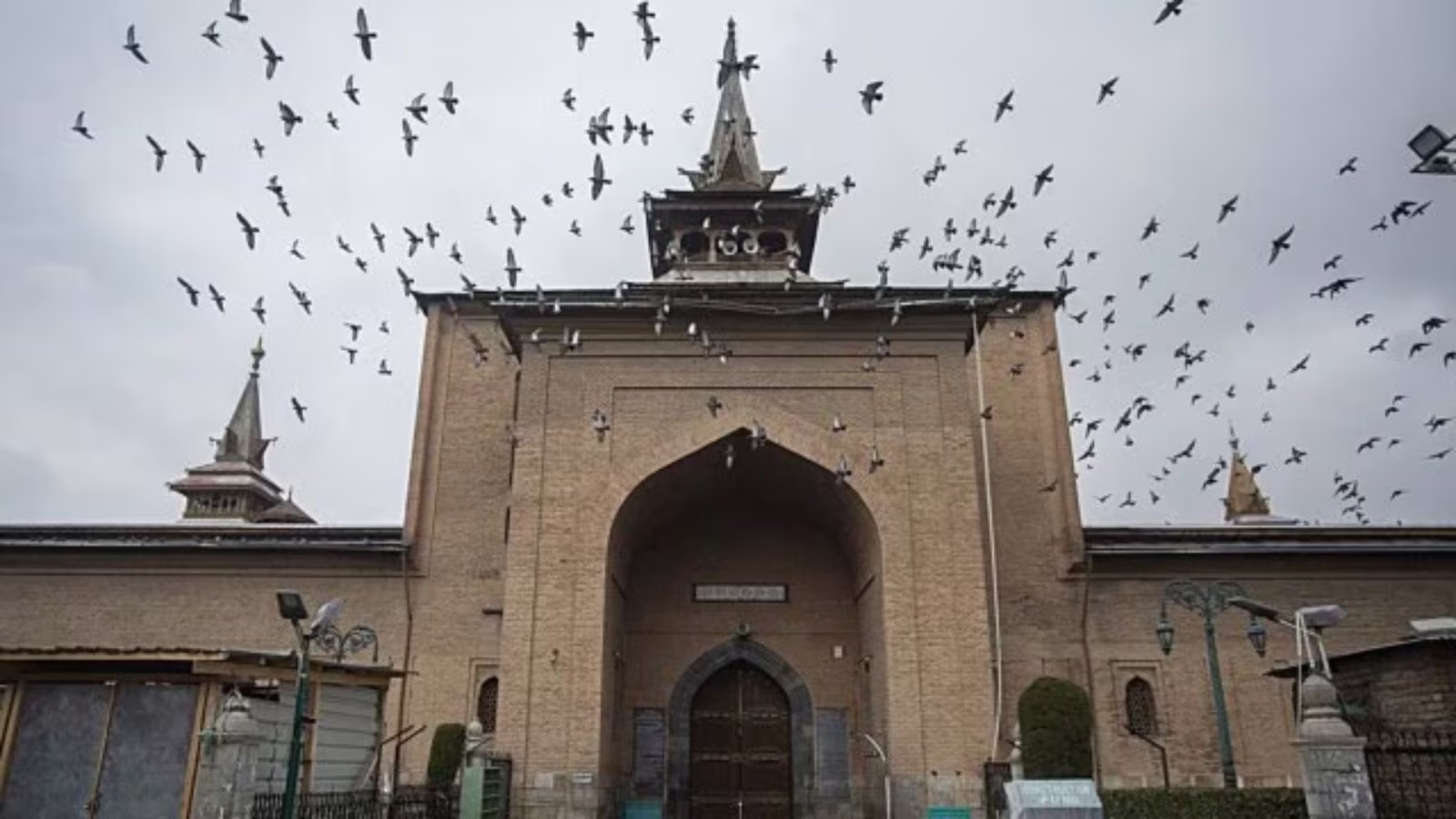
The historic Jamia Masjid Srinagar remained closed for Eid-ul-Adha prayers this year, continuing a prolonged pattern of restrictions on major congregational gatherings in Kashmir’s largest mosque.
Authorities did not permit Eid prayers at the mosque, citing security and law-and-order concerns, while heavy deployment of police and security personnel was witnessed across downtown Srinagar, particularly in the sensitive Nowhatta area.
For thousands of worshippers, the absence of Eid congregational prayers at Jamia Masjid once again left a deep emotional void. Many residents described the development as another reminder of the continuing restrictions surrounding religious gatherings in the Valley.
While Eid prayers were permitted at smaller mosques and selected Eidgahs under tight security arrangements, the closure of Kashmir’s spiritual heart overshadowed Eid-ul-Adha celebrations in Srinagar.
Since When Have Restrictions Been Imposed at Jamia Masjid?
Restrictions at Jamia Masjid Srinagar became significantly more frequent after the constitutional changes of August 5, 2019, when the Centre revoked Jammu and Kashmir’s special status under Article 370 and reorganized the former state into two Union Territories.
Although the mosque had occasionally faced curbs even before 2019 during periods of unrest, curfew, or separatist shutdown calls, the post-2019 period marked the beginning of recurring restrictions on:
- Eid congregations
- Friday prayers
- Religious gatherings
- Public sermons
- Major Islamic occasions
Since then, Jamia Masjid closures during sensitive political or religious events have become a repeated feature of Kashmir’s security landscape.
Jamia Masjid Restrictions Timeline (2019–2026)
August 2019 — Article 370 Abrogation
Following the Revocation of Article 370:
- Kashmir witnessed an unprecedented lockdown
- Communication services were suspended
- Major religious gatherings were restricted
- Eid-ul-Adha prayers were not permitted at Jamia Masjid
This marked the beginning of prolonged restrictions on large congregations at the mosque.
2020 — COVID-19 and Security Curbs
During the pandemic year:
- Congregational prayers remained heavily restricted
- Authorities cited both health protocols and security concerns
- Friday prayers were suspended multiple times
- Public gatherings inside the mosque remained tightly controlled
The mosque saw intermittent reopening, but normal religious activity remained disrupted.
2021 — Periodic Reopening, Continued Restrictions
Although daily and Friday prayers resumed periodically:
- Authorities continued restrictions during sensitive dates
- Security deployment remained heavy around Nowhatta
- Several important Friday congregations faced closure orders
Religious leaders repeatedly appealed for uninterrupted access.
2022 — Eid and Friday Restrictions Continue
Throughout 2022:
- Eid congregational prayers remained uncertain
- Friday prayers were occasionally disallowed
- Security checks intensified around downtown Srinagar
Public concern grew over recurring disruptions at Kashmir’s central mosque.
2023 — Debate Over Religious Freedom Intensifies
By 2023:
- Jamia Masjid closures had become a recurring political and religious issue
- Restrictions were imposed during major anniversaries and protests
- Religious groups criticized repeated curbs on worshippers
The issue increasingly became linked to broader discussions about religious freedom and civic normalcy in Kashmir.
2024 — Heightened Surveillance Around Major Congregations
In 2024:
- Security around the mosque was intensified during major Islamic occasions
- Barricades and checkpoints became common during Friday prayers
- Authorities allowed some gatherings while restricting others based on threat assessments
Officials maintained that the measures were preventive in nature.
2025 — Continued Eid and Friday Prayer Restrictions
During 2025:
- Several Friday congregations reportedly faced restrictions
- Eid-ul-Fitr prayers at Jamia Masjid were not fully permitted
- Religious organizations renewed calls for unrestricted access
The recurring closures deepened frustration among worshippers who viewed the mosque as central to Kashmir’s spiritual identity.
2026 — No Eid-ul-Adha Prayers Again
Ahead of Eid-ul-Adha 2026:
- Security advisories were intensified across downtown Srinagar
- No formal permission was granted for Eid prayers at Jamia Masjid
- Heavy deployment was witnessed around Nowhatta and adjoining localities
On Eid day:
- Congregational prayers were officially not held at the mosque
- Worshippers were redirected to smaller mosques and Eidgahs
- The atmosphere across Srinagar remained peaceful but subdued
Many residents described Eid without Jamia Masjid as emotionally incomplete.
Why Jamia Masjid Holds Special Importance in Kashmir
Jamia Masjid Srinagar is one of Kashmir’s most important religious and historical landmarks.
Built in the 14th century, the mosque has historically served as:
- Kashmir’s central congregational mosque
- A spiritual hub for major Islamic events
- A symbol of Kashmiri religious identity
- A major centre for public religious discourse
Thousands traditionally gather there for:
- Eid-ul-Fitr prayers
- Eid-ul-Adha congregations
- Friday sermons
- Ramadan prayers
- Shab-e-Qadr observances
Because of its historical and emotional significance, every closure of Jamia Masjid resonates deeply across the Valley.
Security Concerns vs Religious Freedom Debate
The repeated restrictions have fueled an ongoing debate between security management and religious freedom in Kashmir.
Authorities’ Position
Officials maintain that restrictions are preventive measures aimed at maintaining law and order and avoiding potential unrest in sensitive areas of downtown Srinagar.
Public and Religious Response
Religious leaders and worshippers argue that preventing congregational prayers at Kashmir’s grand mosque affects public sentiment and weakens the sense of normalcy in the region.
Several religious organizations have urged authorities to allow peaceful Eid and Friday congregations at the mosque, calling it essential for communal confidence and spiritual life.
More Than Just a Mosque Closure
For many Kashmiris, the issue surrounding Jamia Masjid is no longer only about access to a religious site.
It has evolved into a broader symbol connected to:
- Faith
- Identity
- Civil liberties
- Public space
- Political atmosphere in Kashmir
As Eid-ul-Adha 2026 passed without prayers at the Valley’s largest mosque, the continued restrictions once again highlighted the fragile intersection of religion, security policy, and public sentiment in Jammu and Kashmir.