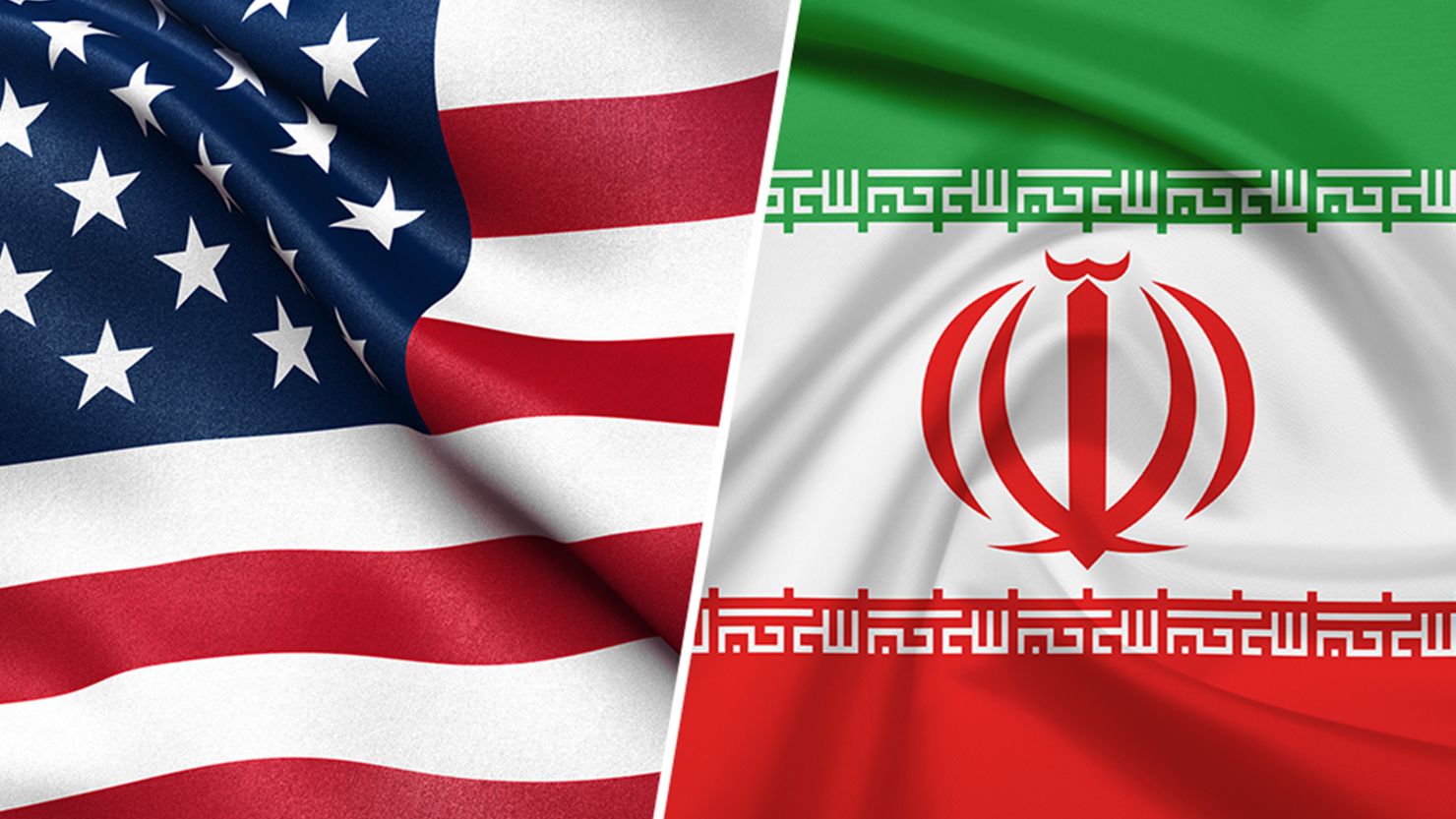
Global Crisis 2026 | Iran–Israel War, Jerusalem Blasts, Oil Shock Explained
By: Javid Amin | 31 March 2026
A System Under Stress: The World at an Inflection Point
The events of March 31, 2026, are not isolated incidents—they are systemic shocks converging at once.
- Missile strikes and explosions in Jerusalem
- Airstrikes on Iran’s nuclear facilities in Natanz and Isfahan
- A burning oil tanker off Dubai
- Continued closure of the Strait of Hormuz
Taken together, these developments point to a world moving toward a high-risk, fragmented equilibrium—not full global war, but something structurally unstable and economically disruptive.
Ground Reality: War Has Gone Multi-Domain
1. Urban Warfare Reaches Symbolic Centers
The reported 10 blasts in Jerusalem mark a dangerous escalation.
- Target zone: areas near the Old City—one of the most sensitive religious and geopolitical spaces globally
- Impact: structural damage, psychological shock, but limited mass casualties so far
This is significant because:
Conflict is no longer confined to military zones—it is entering symbolic and civilian epicenters.
2. Nuclear Infrastructure Under Fire
Strikes on Natanz and Isfahan represent a strategic escalation with global implications.
Verified Ground Indicators
- Natanz hit multiple times → visible structural damage
- No confirmed radiation leak (critical for preventing global panic)
- Isfahan strike → at least 26 fatalities reported
Why This Matters
- Nuclear sites are red-line targets in international conflict
- Even without radiation leakage, such strikes:
- Increase escalation risks
- Invite retaliatory symmetry
3. Maritime Warfare: النفط Becomes a Weapon
The attack on a Kuwaiti tanker near Dubai shifts the war decisively into economic warfare.
What Happened
- Fully loaded crude tanker struck by drone
- Fire and hull breach reported
- Risk of major oil spill in UAE waters
Strategic Signal
Iran is demonstrating:
It can disrupt not just supply—but also environmental and maritime stability.
Energy Shock: The Most Immediate Global Consequence
The closure of the Strait of Hormuz combined with tanker attacks creates a dual-layer crisis:
Key Facts & Figures
- ~20% of global oil supply passes through Hormuz
- Brent crude > $100/barrel
- March 2026 → biggest monthly oil surge since 1990
Secondary Effects
- Shipping insurance premiums skyrocketing
- Freight costs increasing globally
- Inflation pressure on energy-importing economies
Most Exposed Regions
- India
- China
- Japan
For these economies, this is not theoretical—it translates into:
- Higher fuel prices
- Currency pressure
- Slower growth
The Trump Factor: A Strategic Exit Without Resolution
Donald Trump signaling willingness to end the war even if Hormuz remains closed is a critical geopolitical pivot.
What This Means
- The U.S. may prioritize military objectives over economic stabilization
- Responsibility for reopening global trade routes could shift to:
- Regional powers
- Multilateral frameworks
Strategic Interpretation
This is not a traditional “victory” doctrine. It is:
Conflict decoupling — ending direct engagement while leaving systemic risks unresolved.
Regional Fallout: Expanding Rings of Instability
Israel
- Facing sustained missile threats
- Urban centers increasingly exposed
Iran
- Absorbing strikes on critical infrastructure
- Expanding retaliation across domains
Gulf States (Saudi Arabia, UAE, Kuwait)
- No longer buffer zones—now active risk zones
- Oil infrastructure directly threatened
Houthis
- Extending war into maritime and southern fronts
- Increasing pressure on Red Sea routes
What the Data Suggests: Not World War, But Systemic Disorder
Contrary to alarmist narratives, this is not yet a global war.
Instead, data points indicate:
1. Controlled Escalation
- High-intensity strikes, but calibrated
- No full mobilization of major global alliances
2. Economic Weaponization
- Oil routes targeted
- Shipping lanes disrupted
- Energy used as leverage
3. Distributed Conflict Model
- Multiple fronts: Iran, Israel, Lebanon, Gulf, Red Sea
- Multiple actors: state + non-state
Key Risks Ahead
1. Environmental Disaster
Oil spill near Dubai could:
- Damage marine ecosystems
- Disrupt Gulf shipping for weeks
2. Energy Market Shock 2.0
If Hormuz remains closed:
- Oil could spike well beyond $120–150/barrel
- Global recession risks increase
3. Escalation to Nuclear Threshold
Repeated strikes on nuclear facilities raise:
- Risk of miscalculation
- Potential doctrinal shifts
4. Diplomatic Fragmentation
- U.S. signaling exit
- Regional actors divided
- No unified global response
Strategic Trajectory: Where the World Is Heading
Short-Term (Next 2–4 Weeks)
- Continued missile exchanges
- Maritime disruptions intensify
- Oil prices remain volatile
Medium-Term (2–6 Months)
- Partial de-escalation possible if U.S. disengages
- Regional powers assume larger roles
- Persistent instability in energy markets
Long-Term (1–3 Years)
The world may transition into:
1. Fragmented Global Order
- Less centralized power
- More regional blocs
2. Permanent Energy Volatility
- Diversification away from chokepoints
- Accelerated shift to alternative energy
3. Normalization of Hybrid Warfare
- Drones, cyber, maritime disruption become standard
Final Insight: A Fragile Equilibrium, Not a Resolution
The current trajectory suggests the world is heading toward:
A prolonged, unstable balance—where conflict persists below total war, but above peace.
- Wars will be continuous but contained
- Economies will face recurring shocks
- Diplomacy will be reactive, not preventive
This is not the collapse of order—but it is the end of predictable stability.
Conclusion: The New Normal Has Arrived
Jerusalem’s blasts, Iran’s nuclear strikes, and burning tankers near Dubai are not just headlines—they are signals.
Signals that:
- যুদ্ধ is becoming multi-domain
- Energy is a battlefield
- Stability is no longer guaranteed
The world is not heading toward a single निर्णायक event.
It is moving into a prolonged era of uncertainty—where crises overlap, and resolution remains elusive.