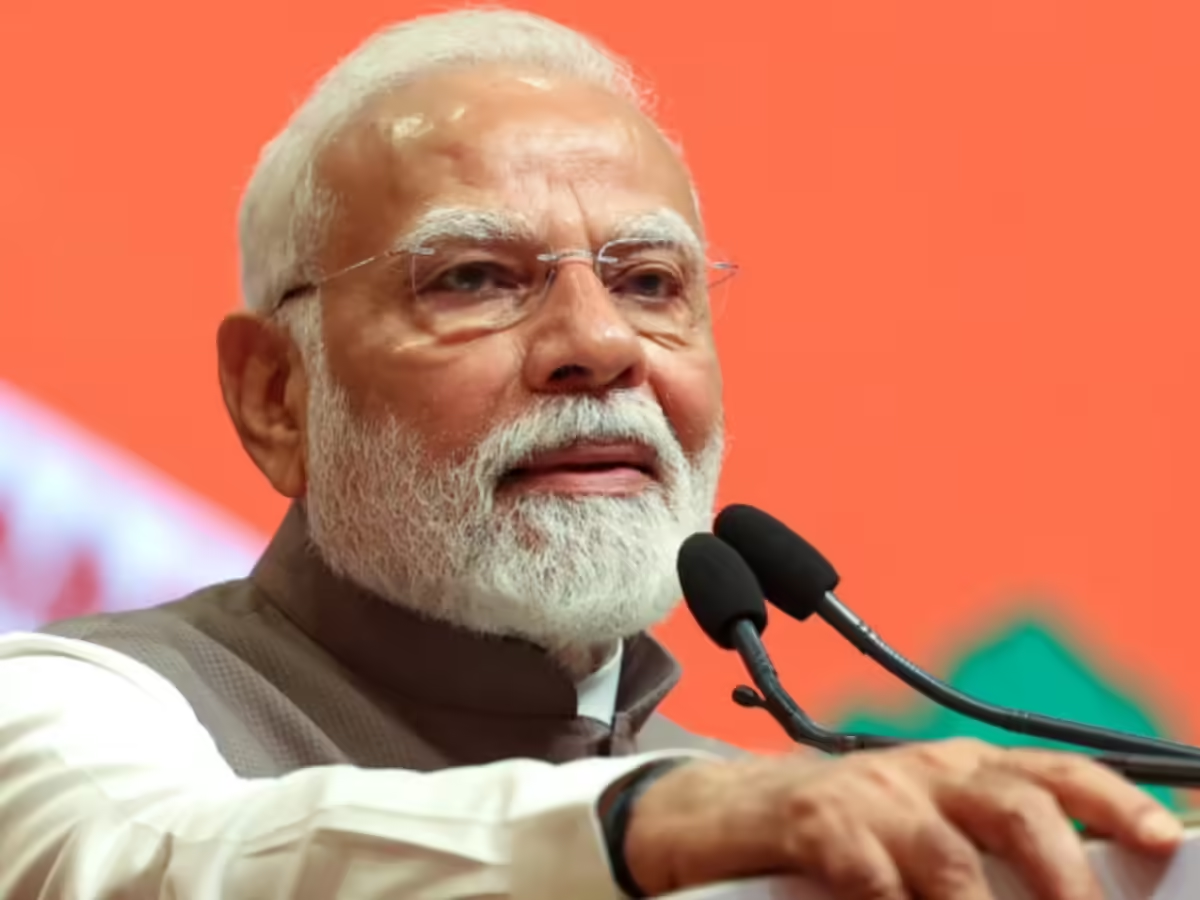
PM Modi Urges Indians to Save Fuel and Reduce Gold Consumption as West Asia Crisis Deepens
By: Javid Amin | 11 May 2026
Modi’s Economic Warning Comes Amid Rising Global Uncertainty
Prime Minister Narendra Modi has issued a fresh appeal to citizens to conserve fuel, reduce dependence on imported gold, and embrace work-from-home practices as escalating tensions in West Asia continue to shake global energy markets.
The message comes at a time when crude oil prices are climbing sharply due to disruptions in the Gulf region, particularly around the Strait of Hormuz — one of the world’s most critical oil shipping routes.
For India, which imports the majority of its crude oil requirements, the crisis is not just geopolitical. It is economic, strategic, and deeply connected to everyday life.
Why Modi Is Stressing Fuel Conservation Now
India’s Oil Dependence Is a Major Vulnerability
India imports nearly 85% of its crude oil needs, making the country highly sensitive to global price fluctuations.
As tensions intensify in West Asia:
- Oil supply chains are becoming uncertain
- Shipping and insurance costs are rising
- Global crude prices are witnessing sharp spikes
Every increase in international crude prices directly affects:
- Petrol and diesel rates
- Transport costs
- Food inflation
- Manufacturing expenses
- Household budgets
Modi’s appeal is therefore not merely symbolic. It is an attempt to prepare the country for prolonged global instability.
Fuel Saving as National Economic Strategy
“Every Drop Counts” Approach Returns
The Prime Minister’s latest remarks echo earlier campaigns focused on energy discipline and self-reliance.
The government is encouraging citizens to:
- Avoid unnecessary travel
- Use public transport more frequently
- Carpool whenever possible
- Shift toward fuel-efficient mobility
- Reduce energy wastage at homes and offices
Officials believe that even small behavioral changes at scale can reduce national fuel demand and ease pressure on India’s import bill.
Why Gold Imports Are Under Scrutiny Again
India’s Love for Gold Carries Economic Costs
India remains one of the world’s largest consumers of gold, with imports surging during wedding and festive seasons.
However, heavy gold imports create multiple economic challenges:
- Pressure on foreign exchange reserves
- Widening trade deficit
- Increased dependence on dollar outflows
During periods of global instability, governments often discourage excessive gold buying because it drains valuable foreign currency reserves needed for essential imports like oil and industrial goods.
Modi’s warning reflects concerns that rising oil prices combined with large gold imports could strain India’s external finances.
Work-From-Home Push Linked to Energy Security
Remote Work Seen as Fuel-Saving Tool
One of the most notable aspects of Modi’s message is the renewed emphasis on work-from-home culture.
While remote work gained momentum during the COVID-19 pandemic, the government now appears to view it through an economic and strategic lens.
Potential benefits include:
- Reduced fuel consumption from daily commuting
- Lower urban congestion
- Reduced pressure on public transport systems
- Lower operational energy usage in commercial hubs
The idea is simple: fewer vehicles on roads mean lower national fuel demand.
West Asia Crisis: Why India Is Concerned
Conflict in Gulf Region Threatens Global Energy Stability
The ongoing crisis in West Asia has intensified fears of disruptions near key oil-exporting zones.
The region is central to global energy supply chains, and any instability affects countries heavily dependent on imported energy — especially India.
Key concerns for New Delhi include:
- Disrupted crude shipments
- Higher import costs
- Currency pressure on the rupee
- Inflationary impact across sectors
India also has deep economic ties with Gulf nations through:
- Energy trade
- Indian expatriate workforce
- Remittance flows
- Maritime commerce
Any prolonged regional conflict therefore carries broad economic consequences.
The Bigger Message: Economic Nationalism and Self-Reliance
Modi’s Appeal Fits Into Broader Policy Thinking
The Prime Minister’s message aligns closely with the government’s larger push toward:
- Energy independence
- Renewable energy expansion
- Domestic manufacturing
- Reduced import dependence
India has already accelerated investments in:
- Solar energy
- Green hydrogen
- Electric mobility
- Ethanol blending programs
The latest appeal signals that conservation is being framed not just as personal responsibility, but as part of national resilience during a global crisis.
How Rising Oil Prices Affect Ordinary Indians
Impact Goes Beyond Petrol Pumps
When crude oil prices rise, the consequences spread through the entire economy.
For households
- Higher transport expenses
- Increased grocery prices
- Costlier cooking and logistics
For businesses
- Rising operational costs
- Expensive freight and transportation
- Inflationary pressure on goods and services
For the government
- Increased subsidy burden
- Fiscal pressure
- Challenges in controlling inflation
This is why the government is trying to reduce consumption before the crisis deepens further.
Could India Announce More Measures Soon?
Possible Policy Responses
Economic observers believe additional measures may follow if global crude prices continue rising.
Potential government responses could include:
- Greater push for hybrid work models
- Incentives for renewable energy adoption
- Public campaigns promoting fuel conservation
- Measures to discourage non-essential imports
- Expanded electric vehicle infrastructure
The government may also intensify diplomatic engagement with Gulf nations to ensure stable energy supplies.
Key Takeaway
Prime Minister Narendra Modi’s latest appeal reflects growing concern inside New Delhi over the economic fallout of the West Asia crisis. With oil prices rising and global supply chains under pressure, the government is urging citizens to adopt practical lifestyle changes that can collectively reduce economic strain.
From conserving fuel and limiting gold purchases to embracing work-from-home culture, the message is clear: in an interconnected global economy, national resilience begins with individual choices.


