US–Iran Tensions Explode After UAE Missile Alert: Strait of Hormuz Crisis Deepens in 2026
By: Javid Amin | 05 May 2026
A Sudden Escalation in a Supposed Ceasefire
For the first time since the April 8 ceasefire, the Gulf woke up to the sound of emergency alerts. On May 4, 2026, residents across Dubai, Sharjah, and Fujairah received urgent mobile notifications warning of incoming missile threats. What followed was not just a localized security incident—it was a clear signal that the fragile truce between the United States and Iran is under serious strain.
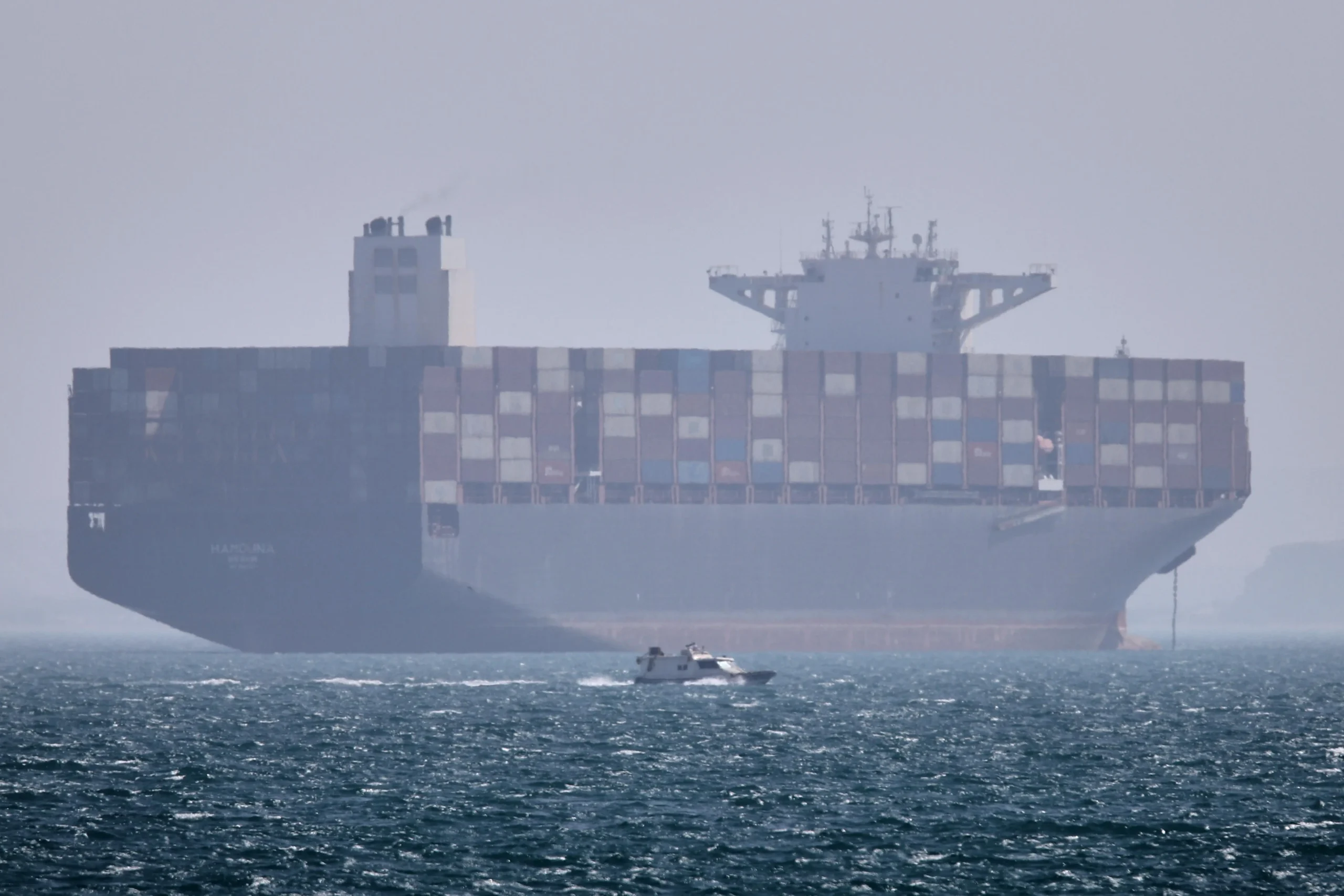
The attacks, attributed to Iranian drones and missiles, targeted oil infrastructure and maritime assets near the Strait of Hormuz—arguably the world’s most strategically sensitive energy chokepoint.
What Exactly Happened on May 4?
The UAE confirmed that multiple aerial threats were launched toward its eastern coastline, particularly near Fujairah’s oil facilities and shipping lanes.
- Targets: Oil storage zones and a tanker linked to ADNOC
- Weapons Used: Ballistic missiles, cruise missiles, and armed drones
- Interceptions: UAE air defense systems neutralized the majority of incoming threats
- Impact: Fires in oil zones, at least three injuries, and temporary disruption of port activity
Despite high interception success, the psychological impact was immediate. Civilian life paused. Schools shifted online. Flights were rerouted under NOTAM A1722/26, restricting airspace access for nearly a week.
Military Precision vs Strategic Messaging
The scale and composition of the attack suggest more than symbolic retaliation. Iran’s use of a mixed arsenal—ballistic missiles, cruise systems, and drones—demonstrates layered strike capability designed to test and potentially overwhelm air defense systems.
From a strategic standpoint, this was not just about damaging infrastructure—it was about sending a calibrated message:
- To the UAE: Your energy assets remain vulnerable
- To the US: Your regional security umbrella is being challenged
- To global markets: The Strait of Hormuz is no longer predictable
The UAE’s rapid interception response indicates strong preparedness, but also underscores a reality—defense systems are being stress-tested in real time.
The Strait of Hormuz: The Real Battleground
At the center of this crisis lies the Strait of Hormuz—a narrow maritime corridor through which nearly 20% of the world’s oil supply flows.
Any disruption here has immediate global consequences:
- Oil prices surged, with Brent crude jumping nearly 6%
- Insurance premiums for tankers are expected to rise sharply
- Shipping companies may reroute or delay cargo
Iran has long used Hormuz as leverage in geopolitical disputes. By targeting vessels and infrastructure linked to this corridor, it is effectively weaponizing geography.
Why Is Iran Acting Now?
The timing is crucial. The April 8 ceasefire between the US and Iran was never a comprehensive peace agreement—it was a tactical pause.
Iran’s current posture appears driven by multiple overlapping factors:
1. Perceived US Provocation
Tehran has accused Washington of violating maritime understandings, particularly through increased naval patrols and escort missions in the Gulf.
2. Economic Pressure
Sanctions continue to strain Iran’s economy. Targeting oil infrastructure in the Gulf indirectly pressures global markets—and by extension, Western economies.
3. Regional Signaling
By striking near UAE assets, Iran is warning Gulf states against deeper military alignment with the US.
The US Response: Containment or Confrontation?
The United States has not yet launched direct retaliatory strikes following the May 4 incident, but its posture is evolving.
Reports indicate expanded naval deployments and escort missions near Hormuz—moves that increase the probability of direct encounters with Iranian forces.
This creates a dangerous dynamic:
- High العسكرية presence
- Low trust environment
- Short decision windows in case of miscalculation
Historically, such conditions have often led to unintended escalation.
UAE’s Calculated Defensive Strategy
The UAE’s response has been swift, structured, and notably civilian-focused:
- Immediate activation of missile defense systems
- Temporary airspace restrictions to minimize aviation risk
- Shift to online education to ensure public safety
- Controlled communication to prevent panic
This reflects a hybrid defense doctrine—military readiness combined with civilian resilience planning.
Global Reactions and Market Shockwaves
International reactions have been sharp. France labeled the strikes “unjustified and unacceptable,” while other Western allies expressed concern over maritime security.
The energy markets reacted instantly:
- Brent crude surged past $114/barrel
- Shipping risk premiums increased
- Investors moved toward safe-haven assets
This underscores a critical reality: even limited strikes in the Gulf can trigger global economic ripples.
Ceasefire in Name Only?
The April 8 ceasefire now appears increasingly symbolic. What exists today is not peace—but a managed confrontation.
Key indicators of fragility:
- Continued proxy and indirect attacks
- Absence of a formal diplomatic framework
- Escalatory rhetoric from both sides
The UAE missile alert is less an isolated incident and more a symptom of a deeper unresolved conflict.
What Comes Next: Three Possible Scenarios
1. Controlled Escalation
Limited strikes continue without full-scale war. Both sides test boundaries while avoiding direct confrontation.
2. Direct US–Iran Clash
A miscalculation—such as a strike on US assets—could trigger open military engagement.
3. Renewed Diplomacy
International pressure, especially from energy-dependent nations, could push both sides back to negotiations.
Key Takeaway
The May 4 missile alert in the UAE is a stark reminder that the Gulf remains one of the world’s most volatile geopolitical flashpoints. The ceasefire between the US and Iran is holding only on paper, while realities on the ground point toward a slow-burning escalation.
With the Strait of Hormuz at the center, the stakes extend far beyond the region—touching global energy security, economic stability, and the broader balance of power in international affairs.