Kashmir Winter Vacation 2026: Nursery to Class 5 May Get December 1 Break; Private School Fee and Book Practices Back in Focus
Education | Kashmir | Socio-Economic Affairs | Srinagar | November 24, 2026
The approaching winter has once again put Kashmir’s school education system under the spotlight, with parents waiting for the government’s decision on winter vacations while raising broader questions about the affordability, regulation and accountability of private educational institutions.
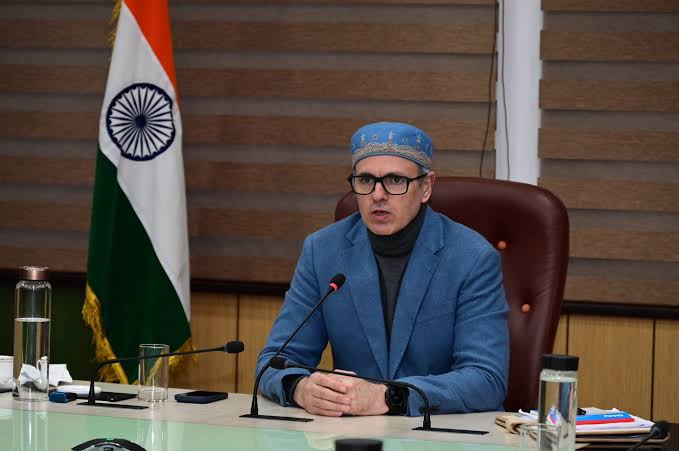
Education Minister Shamima Firdous has indicated that the Jammu and Kashmir government is considering announcing winter vacations for students from Nursery to Class 5 from December 1, 2026, keeping in view the falling temperatures and the health concerns of younger children.
The indication comes after the government revised school timings across Kashmir earlier this month. However, the proposed vacation schedule is not yet an officially notified order. The final decision will depend on the government’s assessment of weather conditions and the competing concerns expressed by parents.
The discussion has also revived a larger issue that frequently gets overshadowed by the annual winter vacation debate: the growing financial burden on families sending their children to private schools.
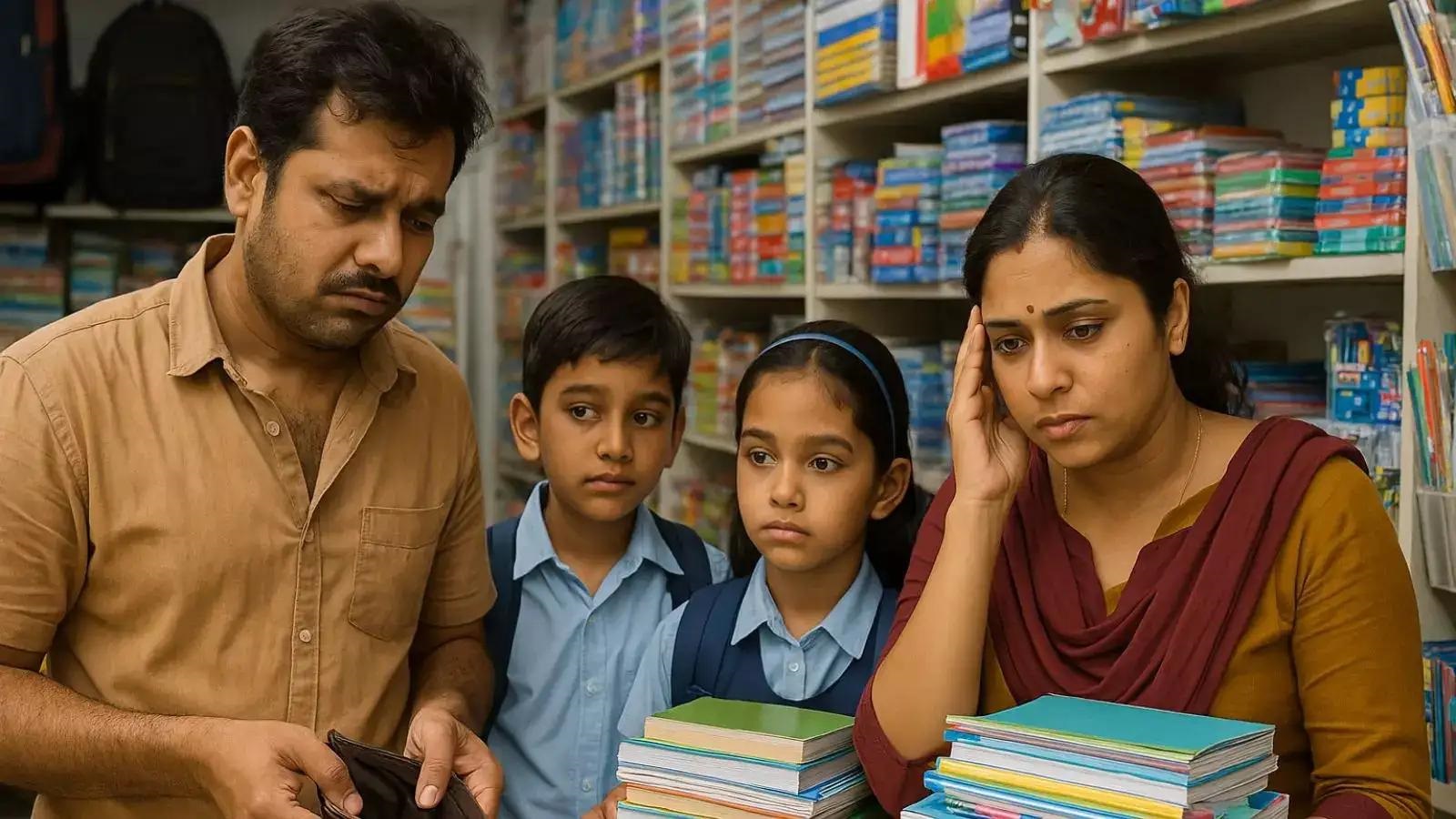
From admission charges and annual fees to prescribed textbooks, supplementary material and additional collections, parents have repeatedly raised concerns about the cost of education. The Education Minister has reiterated that schools cannot compel parents to purchase books from particular vendors or impose unauthorised charges.
For thousands of families, therefore, the question is no longer limited to when schools will close for winter. It is also about whether education in Kashmir is becoming increasingly expensive and whether the existing regulatory mechanisms are sufficient to protect parents.
Kashmir Winter Vacation 2026: What Shamima Firdous Has Said
The government’s position has developed over the past few days.
On November 21, Firdous said that the possibility of announcing winter vacations for younger students was being examined in view of the prevailing cold conditions. She indicated that the government was monitoring the weather and would take an appropriate decision if temperatures fell further.
On November 23, she gave a more specific indication, saying the government was considering a winter break from December 1 for elementary-level students, covering Nursery to Class 5.
She also acknowledged that parents were divided over the timing.
Some parents favour an early winter break because of the difficulties children face during cold mornings. Others believe that schools should continue functioning for some more time so that students can maintain their academic routine and adapt to winter conditions.
The minister’s stated position is that children’s health remains a priority, while educational requirements must also be considered.
This distinction is important. December 1 is a proposed commencement date under consideration, not a confirmed vacation schedule. Parents should wait for the formal notification from the School Education Department before treating the date as final.
Revised School Timings Already in Force Across Kashmir
The government has already taken an interim step by changing school timings across the Kashmir division.
Under the revised schedule issued by the Directorate of School Education Kashmir, effective November 17, 2026:
-
Nursery to Class 8: 10:30 am to 2:30 pm.
-
Classes 9 to 12: 10:30 am to 3:30 pm.
The revised timings apply to government and recognised private schools in both urban and rural areas of Kashmir.
The change replaced the earlier arrangement, under which schools within Srinagar municipal limits operated from 10 am to 3:30 pm, while institutions outside those limits functioned from 10:30 am to 4 pm.
The revised timetable provides a common starting time across the division and reduces students’ exposure to the coldest part of the morning.
However, changing school hours is only a partial response. It does not necessarily resolve the difficulties faced by children travelling long distances, waiting for school transport or attending institutions where heating facilities are inadequate.
Why Younger Children Are Being Considered First
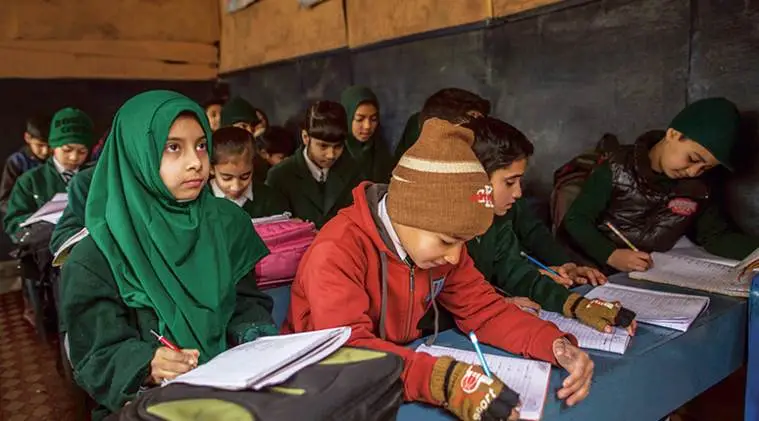
The decision to consider primary classes separately reflects the different challenges faced by younger students during Kashmir’s winter.
Children in Nursery, Kindergarten and primary classes are generally more dependent on parents and school transport. They also have less flexibility in managing prolonged exposure to cold conditions, particularly during early-morning travel.
For families living in areas where temperatures fall sharply overnight, even a short journey to school can become difficult when roads, vehicles and waiting areas remain extremely cold.
The issue is not restricted to Srinagar. Rural and peripheral areas of the Valley can experience particularly harsh morning conditions, while children travelling from distant villages may have to leave home considerably earlier than the official school starting time.
There is also an important distinction between daytime temperatures and the conditions children encounter while travelling to school. A relatively comfortable afternoon does not necessarily mean that early-morning exposure is safe or convenient.
This is why school vacation decisions require more than a general assessment of the weather. Authorities must consider minimum temperatures, local conditions, transport arrangements, the availability of heating and the age of students.
An early break for younger children, if formally announced, would therefore be a measure directed at reducing their exposure to winter conditions while allowing older students to continue their academic schedules.
Kashmir’s Winter Vacation Debate: Health Versus Academic Continuity
The differing opinions among parents highlight a genuine dilemma for the education system.
One section believes that winter vacations should begin early, particularly for younger children. Their concern is that prolonged exposure to cold mornings can affect children’s health and increase the difficulties of daily school attendance.
Another section prefers a later vacation schedule. Parents in this category are concerned about academic continuity, particularly for students preparing for annual examinations and those who have already experienced interruptions during the academic year.
Both concerns deserve consideration.
Winter vacations are necessary in Kashmir’s climatic conditions, but the timing and duration of the break also influence the academic calendar. Schools must complete their prescribed syllabi, conduct assessments and ensure that students are adequately prepared for examinations.
The challenge becomes more complicated when schools operate with different infrastructure standards. An institution equipped with adequate heating, insulated classrooms and reliable transport may offer a different experience from a school where students remain exposed to cold classrooms and poorly heated facilities.
A uniform vacation decision may be administratively convenient, but its practical impact can differ across districts and institutions.
The government therefore needs to balance weather assessments with the realities of school infrastructure, student age groups and academic requirements.
Private School Fees in Kashmir: The Bigger Issue Parents Want Addressed
While winter vacations dominate the immediate discussion, the financial burden of private education remains a recurring concern among parents.
For many families, school expenses extend well beyond monthly tuition fees. Admission-related payments, annual charges, transport costs, textbooks, notebooks, uniforms, examination fees and supplementary learning material can collectively consume a substantial portion of household income.
The problem becomes more complicated when parents are uncertain about which charges are officially approved and which are being collected at the discretion of individual school managements.
Some parents have also raised concerns about repeated changes in prescribed textbooks, additional books from private publishers and pressure to purchase educational material through particular vendors.
These concerns should not automatically be treated as established violations by every private school. Private institutions also have legitimate operating expenses, including salaries, infrastructure maintenance, utilities, transport and educational resources.
However, the distinction between legitimate institutional expenditure and unauthorised commercial practices must remain clear.
The purpose of regulating school fees is not to undermine private education. It is to ensure that educational institutions operate transparently, provide the facilities they claim to offer and do not place unreasonable financial demands on families.
For parents, predictability matters just as much as affordability. Knowing the approved fee structure and the complete list of compulsory educational expenses before the academic session begins can prevent disputes later.
What the Rules Say About Private School Fees
Jammu and Kashmir already has a statutory mechanism for regulating private school fees.
The Committee for Fixation and Regulation of Fee of Private Schools (FFRC) operates under the provisions of the Jammu and Kashmir School Education Act, 2002, as amended.
The legal framework gives the committee authority to determine and regulate private school fees and prevent commercialisation and undue profiteering.
Under Section 20E of the Act, private schools cannot simply introduce additional compulsory charges under different names. The provision identifies permissible categories, including tuition fees, annual fees and transport fees, alongside voluntary special-purpose charges and other fees approved under the prescribed procedure.
The rules also require schools to follow the committee’s approved fee structures. The FFRC’s official website lists the 2022 fee-fixation rules and subsequent government directions, including orders issued during 2026.
This is particularly important because a charge does not become legitimate merely because a school describes it as an annual, development, activity or miscellaneous expense. Its legality depends on the applicable statutory provisions and the approval governing the institution’s fee structure.
The regulatory framework also provides parents with a channel to raise complaints when schools fail to comply with approved fee orders.
In other words, parents are not entirely without legal recourse. The challenge is ensuring that the existing mechanism is accessible, responsive and consistently enforced.
Compulsory Books and Selected Vendors: What Schools Are Allowed to Do
The issue of compulsory textbook purchases is not new in Jammu and Kashmir. Government authorities have issued instructions over the years prohibiting private schools from forcing parents to purchase books, stationery or uniforms from specific shops.
The Directorate of School Education Jammu, in an April 2023 circular, reiterated that schools must publish the prescribed book lists and cannot compel parents to purchase educational material from particular vendors. It also warned that violations could invite action, including de-recognition or withdrawal of recognition-related approvals.
More importantly, the FFRC’s own 2026 records show that the matter remains an active regulatory concern.
On April 17, 2026, the committee listed a specific circular concerning complaints about the purchase of books from private publishers. It also listed a separate circular concerning the creation of parents’ associations.
In another important development, an FFRC-approved fee order dated February 25, 2026, explicitly prohibited a concerned school from selling books or uniforms on its premises or entering into arrangements with specific vendors. It directed that parents must retain the freedom to purchase educational material from the open market.
The same order required the approved fee structure to be displayed on the school’s notice board and uploaded to its official website.
These developments demonstrate that the regulatory framework is not limited to broad instructions. The FFRC has also incorporated specific compliance conditions into individual school fee orders.
The important question is whether these directions are being followed consistently across institutions.
Parents should be able to select booksellers based on price, availability and convenience. They should not face pressure to purchase the same material from a designated shop when the regulations prohibit such restrictions.
There is also a legitimate question about supplementary books and privately published material. Schools may have academic reasons for recommending additional learning resources, but recommendations and compulsory purchases are two different things. Any compulsory prescription must comply with the applicable board affiliation, curriculum requirements and regulatory directions.
The Hidden Financial Burden: Admission Charges, Annual Fees and Additional Collections
Another area requiring attention is the growing number of charges that parents encounter during the admission process and throughout the academic session.
For a household with two or three school-going children, even relatively small additional payments can accumulate into a significant annual expense.
The FFRC’s official records contain several directions addressing precisely these concerns.
Its circular and order listings include:
-
Clarifications concerning admission fees and other prohibited collections.
-
Directions regarding advance fee collection.
-
Instructions on mandatory disclosure of fee heads in receipts.
-
Action concerning schools that have not submitted their fee-regulation documents.
-
Orders relating to the suspension of fee collection by defaulting institutions.
One particularly relevant development was the September 8, 2025, circular concerning the mandatory mention of fee heads in school receipts. This is significant because itemised receipts make it easier for parents to identify what they are paying for and question charges that do not appear in the approved fee structure.
The FFRC also listed a February 2026 order constituting a committee to fix transport fees for private schools, showing that transport charges have also received regulatory attention.
The broader objective should be straightforward: every school should disclose its approved fee structure, issue proper receipts and explain any permitted additional charge.
Parents should not have to depend on informal communication or repeated requests to understand their children’s annual education expenses.
Why School Infrastructure and Heating Facilities Matter
The winter vacation debate also exposes another issue that deserves greater attention: the condition of school buildings and classroom facilities during the cold season.
A school timetable may look reasonable on paper, but its effectiveness depends on the conditions inside classrooms.
In Kashmir, winter preparedness should involve more than changing the school opening time. Proper heating arrangements, insulated classrooms, adequate ventilation, safe electrical systems and appropriate transport facilities are all important components of student welfare.
There is a difference between reducing exposure to cold and ensuring that children can comfortably continue learning during winter.
A school with functional heating and suitable infrastructure may be better equipped to maintain classes during colder periods. An institution without adequate facilities may struggle even after the government introduces revised timings.
This raises an important regulatory question: should winter preparedness be assessed more systematically while schools undergo inspections and recognition-related evaluations?
The FFRC’s February 2026 fee order provides a useful example of the connection between financial regulation and educational standards. It considered factors such as infrastructure, administrative expenditure, student-teacher ratios, staff salaries and school performance while examining the proposed fee structure.
The same order directed the concerned management to maintain infrastructure according to the standards reported to the committee.
Such requirements matter because parents paying school fees are not simply purchasing classroom instruction. They are also paying for the facilities, resources and educational environment promised by the institution.
Winter preparedness should therefore become part of the wider conversation about school accountability.
What Parents Can Do If a School Violates Fee or Book Regulations
The existence of regulations is important, but their practical value depends on whether parents know how to use them.
Families facing questionable fee demands or compulsory book purchases should maintain documentary evidence rather than relying exclusively on verbal complaints.
A practical approach includes:
1. Request the approved fee structure: Ask the school to provide its FFRC-approved fee schedule for the relevant academic session.
2. Demand itemised receipts: Every payment should be properly documented, with the individual fee heads clearly identified.
3. Preserve book lists and communications: Keep copies of prescribed book lists, vendor details, payment receipts and messages from school management.
4. Question compulsory additional charges: Ask the school to explain the regulatory approval or provision under which a particular charge is being collected.
5. Approach the appropriate authority: Complaints concerning fee violations can be submitted to the FFRC, while issues involving recognition, curriculum compliance or school administration can also be brought to the attention of the relevant education authorities.
The official FFRC website lists its contact number for Srinagar as 0194-4034841 and provides access to government orders and regulatory circulars through jkffc.in.
A documented complaint is more useful than a general allegation because it allows the regulatory authority to examine the specific institution, charge or practice involved.
The Government’s Challenge: Moving Beyond Seasonal Announcements
The government now faces two connected responsibilities.
The immediate one is to take a timely decision on winter vacations, keeping children’s health and academic requirements in mind.
The longer-term responsibility is to strengthen the regulatory environment in which schools operate.
The annual winter vacation announcement receives considerable public attention because it directly affects students, teachers and working parents. But the concerns surrounding private school fees, books and infrastructure continue throughout the academic year.
A more consistent approach would involve regular inspections, transparent publication of approved fee structures, effective complaint monitoring and action against institutions found violating applicable regulations.
The government should also ensure that parents’ associations function meaningfully. The FFRC’s April 2026 circular concerning the creation of parents’ associations provides an existing institutional route through which parental concerns can be organised and communicated.
Such associations could help identify recurring problems, represent families collectively and improve communication between school managements and regulatory authorities.
The objective should not be to create unnecessary confrontation between parents and schools. Private educational institutions are an important part of Kashmir’s education system, and their financial sustainability also matters.
The challenge is to maintain a fair balance: schools should be able to meet legitimate operating expenses, teachers should receive appropriate salaries, and parents should be protected against unauthorised collections and restrictive commercial practices.
Winter Vacation Is Only One Part of Kashmir’s Education Debate
The proposed December 1 winter vacation decision is important, particularly for younger children who face the greatest difficulties during the coldest months.
But the larger education debate should not end when the government issues its winter vacation notification.
Parents need more than seasonal relief. They need affordable education, transparent fee structures, freedom to purchase books from the open market, proper school infrastructure and an effective mechanism to address complaints.
The government has already established a regulatory framework through the FFRC. Its official orders and circulars demonstrate that several of the concerns raised by parents have been recognised by the authorities.
What remains important is consistent implementation.
If a school is charging fees, it must be able to justify those charges under the applicable rules. If it prescribes books, it must comply with curriculum and regulatory requirements. If it collects money for infrastructure and facilities, parents should be able to see the standards being maintained.
Similarly, winter vacations should be decided through a transparent assessment of weather conditions and children’s welfare rather than becoming an annual exercise in uncertainty.
Kashmir’s education system needs a year-round accountability mechanism, not just seasonal adjustments.
As December approaches, parents will be waiting for the government’s final decision on winter vacations. But alongside that notification, they will also be looking for meaningful action on the issues that affect their household budgets and their children’s educational experience throughout the year.
The real measure of progress will be whether the government can translate existing regulations into everyday accountability for schools across Jammu and Kashmir.