Major Governor and LG Reshuffle Across India: What President Murmu’s Move Means for Delhi, West Bengal, Ladakh and Key Election States
By: Javid Amin | 05 March 2026
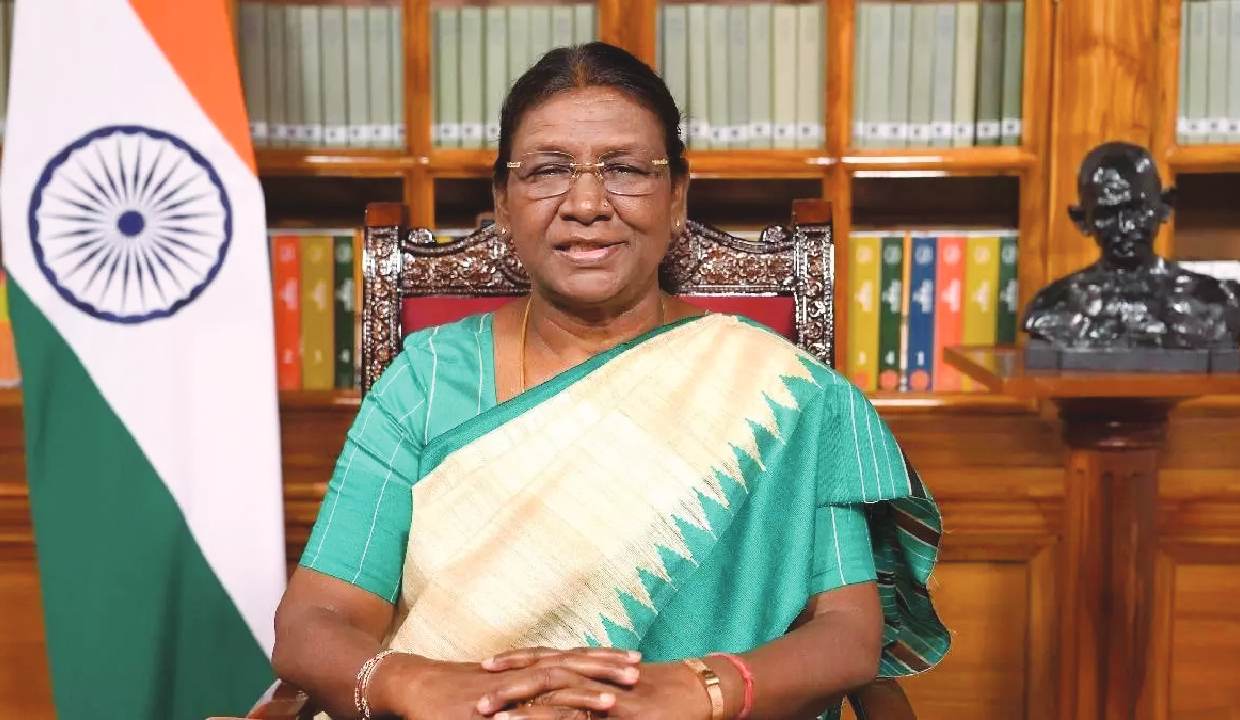
India witnessed a major administrative and political reshuffle in Raj Bhavans and Lieutenant Governor offices after Droupadi Murmu approved new appointments and transfers across nine states and Union Territories.
The sweeping changes affect Delhi, Ladakh, West Bengal, Telangana, Maharashtra, Nagaland, Bihar and Himachal Pradesh, and come at a politically sensitive moment when several states are preparing for critical assembly elections and complex policy negotiations with the Union government.
The reshuffle includes diplomats, politicians, and a decorated military officer, reflecting what analysts describe as a calibrated administrative strategy balancing political oversight and governance stability.
Among the most notable appointments are former US ambassador Taranjit Singh Sandhu as the new Lieutenant Governor of Delhi, former Delhi LG Vinai Kumar Saxena moving to Ladakh, and R. N. Ravi taking charge as Governor of West Bengal.
The reshuffle has triggered political debate across multiple states, particularly those where Centre–State tensions are already high.
Full List of Governor and LG Changes
| State / UT | Outgoing | Incoming | Notes |
|---|---|---|---|
| Delhi LG | Vinai Kumar Saxena | Taranjit Singh Sandhu | Former Ambassador to US |
| Ladakh LG | Kavinder Gupta | Vinai Kumar Saxena | Transfer from Delhi |
| West Bengal Governor | C.V. Ananda Bose | R.N. Ravi | Shifted from Tamil Nadu |
| Telangana Governor | Shiv Pratap Shukla | Shiv Pratap Shukla | Transferred from Himachal |
| Maharashtra Governor | Jishnu Dev Varma | Jishnu Dev Varma | Shifted from Telangana |
| Nagaland Governor | — | Nand Kishore Yadav | Senior BJP leader |
| Bihar Governor | — | Lt Gen (Retd) Syed Ata Hasnain | Former Army commander |
| Himachal Pradesh Governor | Shiv Pratap Shukla | Kavinder Gupta | Former Ladakh LG |
Why the Reshuffle Matters
The changes approved by Droupadi Murmu are not merely administrative. In India’s constitutional structure, Governors and Lieutenant Governors often play crucial roles in legislative processes, political negotiations, and crisis management.
With several states approaching elections, analysts say the reshuffle reflects three major strategic objectives:
-
Strengthening administrative oversight in politically sensitive regions
-
Managing Centre–State conflicts in opposition-ruled states
-
Placing experienced figures in states facing security or political volatility
This combination of political leaders, diplomats and military figures suggests the Union government is recalibrating its institutional presence across India’s federal system.
Delhi: Diplomat Taranjit Singh Sandhu Takes Over as Lieutenant Governor
The most prominent change is in the national capital, where Taranjit Singh Sandhu has been appointed the new Lieutenant Governor of Delhi.
Sandhu previously served as India’s Ambassador to the United States and later contested the 2024 Lok Sabha elections from Amritsar.
Why This Appointment Is Significant
Delhi’s governance structure often produces friction between the Union government and the elected state government led by the Aam Aadmi Party.
The Lieutenant Governor plays a powerful role in:
-
Administrative approvals
-
Control of bureaucratic appointments
-
Law and order oversight
Sandhu’s diplomatic background may introduce a more strategic and negotiation-oriented style of governance, particularly in dealing with ongoing disputes between the Centre and Delhi’s elected leadership.
Observers say his appointment also indicates the central government’s preference for politically aligned administrators in high-stakes territories.
Ladakh: Vinai Kumar Saxena Moves to a Region Facing Political Unrest
Former Delhi LG Vinai Kumar Saxena has been appointed the Lieutenant Governor of Ladakh.
This region has witnessed sustained protests demanding:
-
Statehood for Ladakh
-
Inclusion under the Sixth Schedule of the Constitution
Local civil society groups argue these measures are necessary to protect Ladakh’s tribal identity, environment, and land rights.
Governance Challenges Ahead
Saxena will now face a complex administrative environment that includes:
-
Ethnic and regional political movements
-
Environmental concerns linked to Himalayan ecology
-
Strategic security issues due to proximity to China and Pakistan
His administrative experience in Delhi may help address governance challenges, but Ladakh’s demands are deeply political and identity-driven, making the role particularly sensitive.
West Bengal: RN Ravi’s Appointment Sparks Political Debate
One of the most politically charged transfers is the appointment of R. N. Ravi as the new Governor of West Bengal.
He replaces C. V. Ananda Bose, who resigned from the post.
A Controversial Administrative Figure
During his tenure as Governor of Tamil Nadu, Ravi frequently clashed with the state government led by the Dravida Munnetra Kazhagam.
Issues included:
-
Delays in approving state legislation
-
Public disagreements with the chief minister
-
Constitutional disputes over gubernatorial powers
His transfer to West Bengal has immediately drawn attention because the state is governed by Mamata Banerjee and the All India Trinamool Congress.
Possible Political Impact
With assembly elections approaching, Ravi’s appointment could intensify Centre–State tensions.
Governors in opposition-ruled states often become central figures in political disputes involving:
-
Legislative approvals
-
Law-and-order narratives
-
Administrative coordination with the Union government
Telangana: Shiv Pratap Shukla’s Strategic Transfer
Shiv Pratap Shukla has been transferred from Himachal Pradesh to become Governor of Telangana.
Telangana’s political environment has become increasingly competitive since the rise of opposition forces against the ruling party.
Shukla’s experience as a senior politician could help strengthen coordination between the Centre and the state government.
Maharashtra: A Politically Sensitive Posting
Jishnu Dev Varma has been shifted from Telangana to serve as Governor of Maharashtra.
Maharashtra’s politics remains highly fluid following multiple coalition shifts and party realignments over the past few years.
The Governor’s office has frequently been involved in:
-
Government formation decisions
-
Legislative disputes
-
Constitutional interpretations
This makes the role particularly influential in the state’s political ecosystem.
Nagaland: Political Appointment Amid Peace Negotiations
Senior BJP leader Nand Kishore Yadav has been appointed Governor of Nagaland.
Nagaland remains central to the long-running Naga peace process, which involves negotiations between the Indian government and insurgent groups.
The appointment of a political leader rather than a bureaucrat suggests an attempt to strengthen political dialogue alongside security mechanisms.
Bihar: Military Leadership at Raj Bhavan
In a notable shift, the government appointed decorated army officer Syed Ata Hasnain as Governor of Bihar.
Hasnain previously served as a senior commander in the Indian Army and has extensive experience in security management.
Why a Military Leader?
Bihar’s strategic location along the India–Nepal border often requires coordination on issues related to:
-
cross-border crime
-
migration management
-
regional security concerns
The appointment signals the government’s emphasis on administrative discipline and strategic governance.
Himachal Pradesh: Kavinder Gupta’s New Role
Former Ladakh LG Kavinder Gupta has been appointed Governor of Himachal Pradesh.
Gupta previously served as Deputy Chief Minister of Jammu and Kashmir, giving him significant experience in managing politically sensitive regions.
The Broader Political Strategy Behind the Reshuffle
Political analysts say the appointments reveal a dual strategy.
1. Political Management in Election States
States such as:
-
West Bengal
-
Telangana
-
Maharashtra
are politically volatile, and Governors in these states often become key actors in constitutional debates.
2. Strategic Governance in Sensitive Regions
Regions like:
-
Ladakh
-
Nagaland
-
Bihar
require strong administrative oversight due to security, identity politics, or geopolitical concerns.
The mix of diplomats, politicians, and military leaders reflects a multi-dimensional governance approach.
Centre–State Relations: A Continuing Debate
The reshuffle also reignites the long-running debate about the role of Governors in India’s federal structure.
Opposition parties frequently argue that Raj Bhavans are used to expand central influence in state politics.
The Union government, however, maintains that Governors act strictly within constitutional mandates to ensure governance stability.
Legal experts note that while Governors are appointed by the President, they operate within the framework of the Indian Constitution’s federal balance.
What Happens Next
The newly appointed Governors and Lieutenant Governors will soon assume office and begin administrative transitions.
Their actions in the coming months will likely influence:
-
State legislative processes
-
Centre–State relations
-
Political developments ahead of elections
For several states, the reshuffle marks the beginning of a new phase in political governance.
Conclusion
The sweeping reshuffle approved by Droupadi Murmu is more than a routine administrative exercise.
By placing experienced diplomats, political leaders, and military officers in key constitutional roles, the government appears to be preparing for a period of heightened political competition, governance challenges, and strategic policymaking across India.
As these appointees settle into their roles, their interactions with state governments will shape the evolving dynamics of India’s federal democracy.