Islamabad Talks Collapse Triggers Fresh Escalation: Iran Defiant, US Mobilizes, China Backs Tehran
By: Javid Amin | 12 April 2026
Diplomacy Fails, Escalation Returns
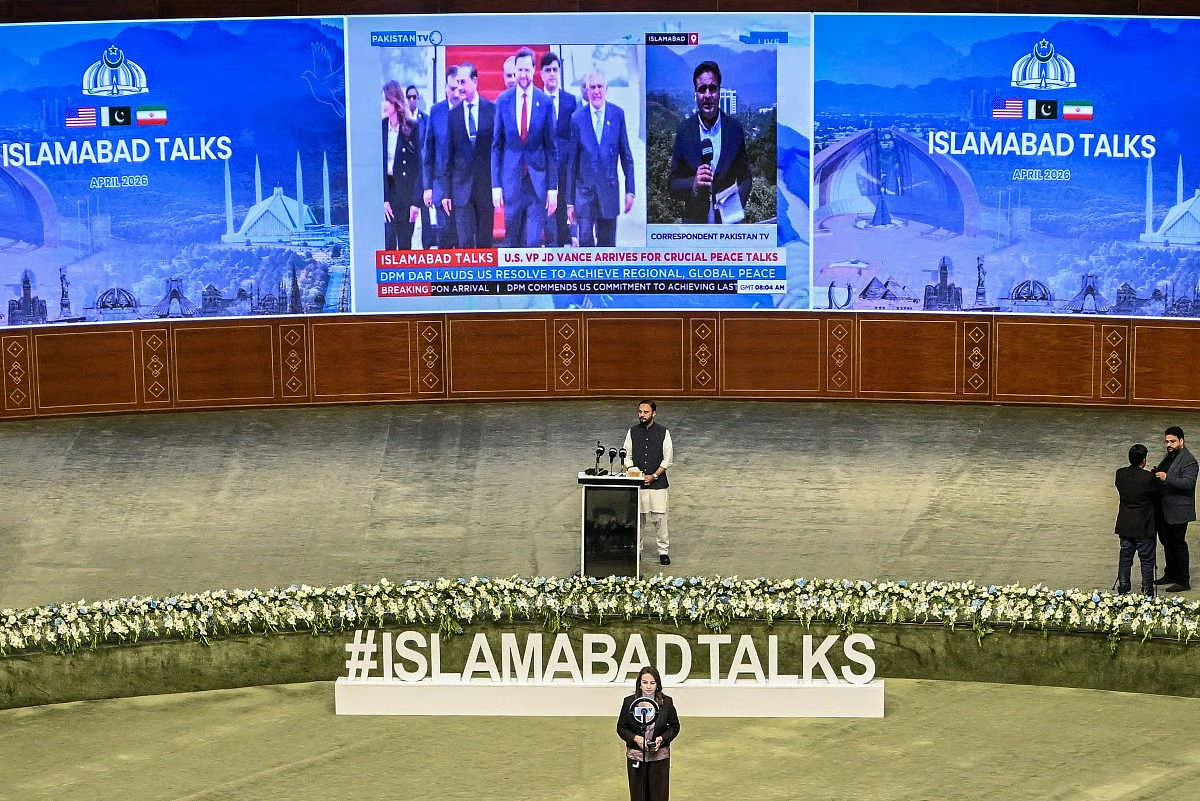
The collapse of high-stakes negotiations in Islamabad has pushed the already volatile confrontation between Iran and the United States into a renewed escalation cycle.
What was briefly a fragile pause under a two-week ceasefire is now unraveling into military posturing, hardened rhetoric, and global economic anxiety. Iran has rejected U.S. terms outright, framing diplomacy as an extension of war, while Washington has begun visible military preparations across the Gulf.
Compounding the crisis, China is now reported to be deepening its strategic support for Tehran—introducing a broader geopolitical dimension that could reshape regional alignments.
Iran’s Hardline Shift — “Resistance by Any Means”
Strategic Messaging
Iran’s leadership has adopted an uncompromising stance:
- Rejects U.S. proposals as “dishonest”
- Frames negotiations as coercion
- Reaffirms commitment to “sacred defense”
Interpretation
This marks a transition from conditional diplomacy → strategic defiance.
Iran is signaling:
- Willingness to escalate militarily
- Readiness to endure economic pressure
- Refusal to concede on sovereignty issues
Implication
Diplomatic off-ramps are narrowing rapidly, increasing the likelihood of confrontation.
US Military Buildup — Preparing for Gulf Operations
The United States Central Command (CENTCOM) has confirmed operational preparations.
Key Movements
- Heavy-lift aircraft (C-17, C-5) transporting munitions to Gulf bases
- Naval readiness for potential maritime operations
- Planning for mine-clearing missions in the Strait of Hormuz
Strategic Objective
- Restore freedom of navigation
- Secure energy shipping lanes
- Deter Iranian interference
Risk Factor
Mine-clearing operations are inherently escalatory:
- Could trigger direct confrontation with Iranian forces
- Raise probability of accidental clashes
China’s Expanding Role — Strategic Backing for Iran
Military Support Signals
U.S. intelligence suggests that China is supplying:
- Advanced air defense systems
- Strategic military assistance
Geopolitical Meaning
China’s involvement reflects:
- Expanding influence in West Asia
- Strategic counterweight to U.S. power
- Protection of energy interests
Long-Term Implication
This could transform the conflict into a proxy geopolitical contest, with:
- U.S.–aligned Gulf states
- China-leaning Iranian bloc
Regional Reactions — Allies on Edge
Gulf States & Israel
Countries across the region, including Israel and Gulf monarchies, are reacting sharply:
- Frustration over failed ceasefire
- Pressure on the U.S. for stronger action
- Heightened military alert levels
Pakistan’s Diminished Role
Pakistan, which had positioned itself as a mediator, now faces:
- Reduced diplomatic credibility
- Limited leverage in further negotiations
Oil Markets in Turmoil — Volatility Returns
Current Market Snapshot (April 12, 2026)
- Brent crude remains highly volatile
- WTI trading at elevated levels
- Price swings driven by geopolitical uncertainty
Market Dynamics
Ceasefire Effect (Earlier)
- Prices dropped 15–18%
- Markets anticipated stability
Post-Collapse Reaction
- Renewed fears of Hormuz blockade
- Increased speculative trading
- Rising hedging activity
Key Drivers of Volatility
- U.S. military buildup
- Iran’s continued blockade posture
- China’s involvement
- Regional pressure for escalation
Global Economic Ripple Effects
Financial Markets
- Equities losing earlier gains
- Increased volatility across indices
Currency Impact
- India’s rupee briefly strengthened but faces renewed pressure
- Oil-importing nations most vulnerable
Safe-Haven Assets
- Gold prices up ~3%
- Bitcoin crossing key thresholds
- Indicates rising investor risk aversion
India & Kashmir — Direct Economic Impact
Fuel Prices
India’s heavy reliance on imported crude means:
- Immediate pass-through to petrol and diesel prices
- Increased inflationary pressure
Kashmir-Specific Effects
In regions like Srinagar:
- Higher transport costs
- Tourism sector vulnerability
- Agricultural logistics under strain
Policy Options
- Strategic reserve utilization
- Diversification of oil imports
- Acceleration of renewable energy
Strategic Risk Matrix
| Actor | Likely Next Step | Risk Level |
|---|---|---|
| Iran | Maintain blockade, strengthen defenses | High |
| United States | Mine-clearing, military readiness | High |
| China | Expand military aid | Medium–High |
| Gulf States | Push for US intervention | High |
| Israel | Possible unilateral escalation | High |
Scenario Outlook
Worst Case
- Hormuz fully blocked
- U.S.–Iran direct clashes
- Regional war expands
Impact: Oil spike 20–30%, global recession risk
Most Likely
- Continued standoff
- Limited skirmishes
- Diplomatic paralysis
Impact: Persistent volatility
Best Case
- Backchannel diplomacy resumes
- Partial de-escalation
- Controlled reopening of Hormuz
Impact: Gradual stabilization
Key Variables to Watch
- U.S. naval operations in Hormuz
- Iran’s military response thresholds
- China’s level of involvement
- Israel’s independent actions
- Any reopening of diplomatic channels
Conclusion: A Crisis Entering Its Second Phase
The collapse of the Islamabad talks marks a turning point.
What follows is not just a continuation—but an escalation into:
- Military readiness on both sides
- Expanded geopolitical involvement
- Heightened economic risk
Final Takeaway
This crisis is evolving into a multi-layered global flashpoint:
- Military tensions in the Gulf
- Strategic rivalry involving China
- Economic shock through oil markets
Without urgent diplomatic intervention, the probability of a second, more dangerous phase of conflict is rising rapidly.
The Strait of Hormuz remains the निर्णायक pressure point—and the world is watching.