US-Iran War Escalates: Gulf Allies Drawn Into Conflict as Strait of Hormuz Crisis Deepens
By: News Desk | 18 July 2026
US-Iran Conflict Enters Most Dangerous Phase Yet as War Spreads Across the Gulf
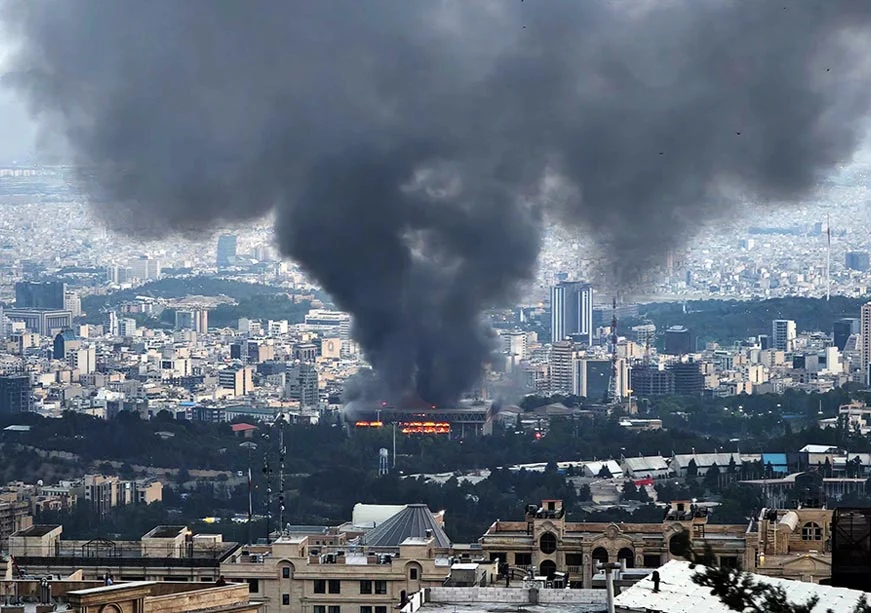
The military confrontation between the United States and Iran has entered one of its most volatile stages, transforming from a bilateral conflict into a broader regional security crisis. Fresh rounds of U.S. air and missile strikes have targeted Iranian military infrastructure across the country’s southern coastline, while Iran has responded with missile and drone attacks against American forces and allied states across the Gulf.
The expanding battlefield now stretches from southern Iran to Jordan, Kuwait, Bahrain, Iraq and Saudi Arabia, significantly raising the risk of a prolonged regional war. Alongside the military escalation, the conflict is disrupting commercial shipping through the Strait of Hormuz, unsettling global oil markets and increasing concerns about the wider economic consequences.
US Intensifies Air Campaign Against Iran
The latest U.S. military offensive focused on degrading Iran’s ability to threaten international shipping and regional military assets.
According to U.S. Central Command, American fighter aircraft, naval forces and long-range precision weapons struck multiple military targets across Hormozgan Province and along Iran’s southern coast. The targets reportedly included:
- Air defence batteries
- Missile launch complexes
- Drone launch facilities
- Coastal surveillance systems
- Revolutionary Guard naval installations
- Command-and-control centres
Some reports also indicate damage to transport infrastructure, bridges and electrical facilities in areas linked to Iranian military logistics, although Tehran disputes the scale of the destruction.
Military analysts say Washington’s objective is to weaken Iran’s capability to threaten shipping through the Strait of Hormuz while reducing the operational capacity of the Islamic Revolutionary Guard Corps (IRGC).
Iran Responds With Regional Missile and Drone Attacks
Iran answered the latest U.S. strikes with one of its broadest waves of retaliatory attacks since the conflict intensified.
Among the most significant developments was a ballistic missile strike on the Muwaffaq Salti Air Base in Jordan, where the Pentagon confirmed that two U.S. service members were killed, one remains missing and several others were injured. The attack marked one of the deadliest direct Iranian strikes against U.S. forces during the current phase of the conflict.
Iran also launched missiles and drones toward:
- Kuwait
- Bahrain
- Saudi Arabia
- Iraq
- Other U.S. military facilities across the Gulf
Air defence systems across the region were activated repeatedly as governments attempted to intercept incoming projectiles.
Civilian Areas Increasingly Affected
Beyond military installations, the conflict is beginning to inflict a growing humanitarian cost.
Reports from southern Iran indicate that fishing communities around Bandar Abbas, Qeshm Island and nearby coastal settlements have experienced casualties and infrastructure damage following repeated airstrikes. Iranian authorities have reported civilian deaths and injuries, although independent verification of all casualty figures remains difficult.
Meanwhile, Gulf countries have warned that attacks on civilian infrastructure could have long-lasting humanitarian consequences.
Kuwait Faces Water Security Concerns
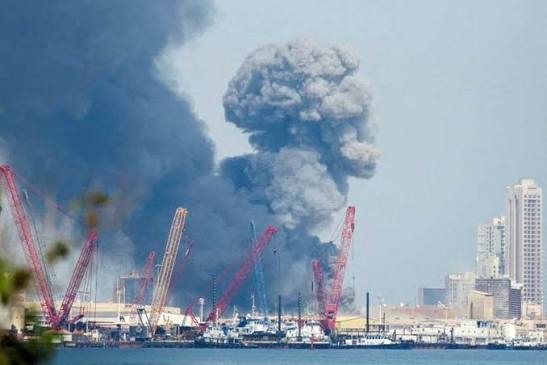
One of the most alarming regional developments has been reported damage to Kuwait’s critical desalination and power infrastructure.
Kuwaiti authorities say attacks caused fires and disrupted facilities that are essential for producing drinking water in the desert nation, increasing concerns over water security if hostilities continue. The incidents highlight how modern conflicts increasingly target infrastructure that directly supports civilian populations.
Saudi Arabia, Bahrain and Iraq Drawn Deeper Into Conflict
The conflict is no longer confined to U.S. and Iranian territory.
Saudi Arabia activated air defence systems after detecting incoming missiles, while Bahrain experienced repeated warning sirens as regional military installations remained on high alert. In northern Iraq, security forces intercepted drones near Irbil, illustrating the widening geographic scope of the confrontation.
Regional governments continue to insist they do not want a broader war, yet their military infrastructure is increasingly becoming part of the battlefield.
Strait of Hormuz Becomes the Strategic Center of the War
The Strait of Hormuz remains the single most important strategic flashpoint.
Iran has continued asserting control over access to the waterway, while the United States maintains that maritime traffic can still move through alternative southern approaches near Oman under naval protection. Despite these competing claims, commercial shipping has been significantly disrupted.
The strait normally carries roughly one-fifth of globally traded crude oil and substantial volumes of liquefied natural gas, making any disruption a matter of international concern.
Shipping companies have responded by delaying voyages, rerouting vessels where possible and paying sharply higher insurance premiums.
Oil Markets Feel the Pressure
Energy markets reacted immediately to the deteriorating security situation.
Brent crude has climbed above $86 per barrel, reflecting concerns over reduced shipping capacity and the possibility of longer-term supply disruptions if the conflict expands further. Analysts warn that sustained instability around Hormuz could increase transportation costs, fuel prices and inflation worldwide.
Diplomatic Efforts Collapse
The military escalation comes after the breakdown of earlier diplomatic efforts aimed at reducing tensions.
Officials on both sides have accused each other of violating previous understandings, leaving no active negotiation process capable of halting the conflict. International appeals for restraint from Gulf governments and other global powers have so far failed to produce a breakthrough.
Ground Realities at a Glance
| Hotspot | Current Situation | Strategic Impact |
|---|---|---|
| Hormozgan Province | U.S. strikes on military infrastructure | Iran’s coastal defence capability weakened |
| Jordan | Iranian ballistic missile attack killed two U.S. troops | Major escalation against U.S. forces |
| Kuwait | Damage to desalination and power facilities | Civilian water security concerns |
| Saudi Arabia & Bahrain | Missile and drone attacks trigger air defences | Regional conflict widens |
| Iraq | Drones intercepted near Irbil | Risk of further spillover |
| Strait of Hormuz | Shipping disrupted amid military confrontation | Global energy supply threatened |
What Comes Next?
Security experts increasingly view the conflict as a regional war rather than a limited exchange between Washington and Tehran.
Iran continues demonstrating an ability to launch coordinated missile and drone attacks across multiple countries, while the United States is expanding operations aimed at degrading Tehran’s military capabilities and securing maritime routes through the Strait of Hormuz.
Unless a credible diplomatic initiative emerges, the conflict risks entering a prolonged phase marked by repeated retaliatory strikes, expanding humanitarian consequences and sustained disruption to global energy markets. For Gulf states, the challenge is no longer simply avoiding involvement—it is managing the growing reality that the war has already reached their borders.