Punjab Assures Action to Ease Livestock Transport for J&K Traders After Ministerial Intervention
By: News Desk | 09 July 2026
Fresh Hope for Kashmir’s Meat Supply Chain
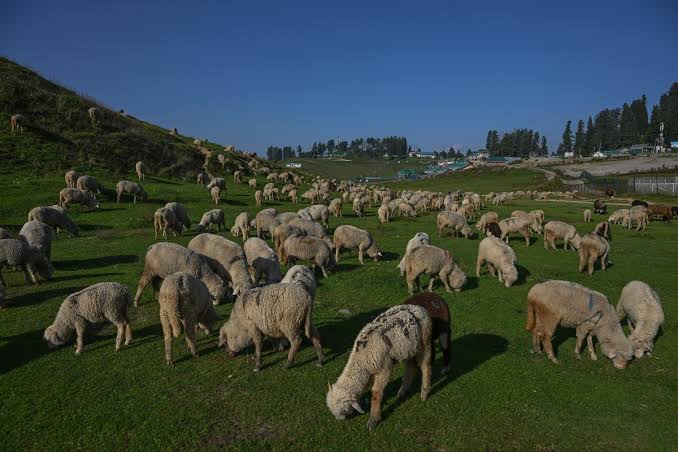
After weeks of disruption in the movement of livestock consignments to Jammu & Kashmir, Punjab authorities have assured action to address the concerns of livestock traders following a ministerial-level intervention.
The assurance comes amid growing anxiety over repeated interruptions in the transportation of sheep and other livestock destined for Kashmir’s wholesale markets. Traders had raised concerns over alleged harassment of truck drivers, delays in transit and unauthorized demands during highway movement, prompting intervention by Jammu & Kashmir representatives.
If the assurances translate into effective action on the ground, they could provide much-needed relief to traders, consumers and businesses dependent on the Valley’s meat supply chain.
Ministerial Intervention Brings the Issue to the Forefront
The issue gained momentum after Jammu & Kashmir leaders took up the matter with Punjab authorities, highlighting the challenges faced by livestock transporters moving through the state.
During discussions, concerns were reportedly raised regarding:
- Delays in the movement of livestock trucks.
- Alleged harassment of transporters.
- Claims of unauthorized levies by some enforcement personnel.
- The need to ensure uninterrupted transportation of essential commodities.
In response, Punjab officials assured that the concerns would be examined and that steps would be taken to facilitate smoother passage of livestock vehicles while ensuring lawful enforcement on highways.
The discussions underscore the importance of coordination between neighbouring states in maintaining uninterrupted supplies of essential goods.
Weeks of Disruption Triggered Market Uncertainty
The latest assurances come after Kashmir witnessed recurring disruptions in livestock arrivals over recent weeks.
Reduced inflow of sheep into wholesale markets affected meat availability across several districts, leading to:
- Temporary shortages in retail markets.
- Increased wholesale prices.
- Higher retail prices for consumers.
- Uncertainty among traders and transporters.
The disruption demonstrated how quickly transportation bottlenecks outside the Union Territory can influence local food markets.
Livestock Trade Is Vital to Kashmir’s Economy
The livestock trade forms an essential link in Kashmir’s food supply chain.
A significant share of sheep consumed in the Valley is transported from outside Jammu & Kashmir, particularly from northern and western Indian states.
Every day, livestock trucks travel hundreds of kilometres before reaching Kashmir’s wholesale markets, where animals are distributed to:
- Retail meat sellers.
- Restaurants.
- Hotels.
- Catering businesses.
- Local butchers.
Any interruption in this supply chain has immediate economic consequences.
Mutton Holds Special Cultural Importance
Unlike many regions of India, mutton occupies a central place in Kashmiri cuisine and social traditions.
It is an indispensable part of:
- Weddings.
- Family celebrations.
- Religious gatherings.
- Community feasts.
- Traditional Wazwan banquets.
During periods of supply disruption, households often face higher prices, while caterers and restaurant owners struggle to secure adequate stock for advance bookings.
Consequently, the issue extends beyond commerce and directly affects social and cultural life in the Valley.
Traders Welcome the Assurance but Remain Cautious
Livestock dealers have welcomed the intervention but say confidence will depend on visible improvements rather than verbal assurances alone.
Many transporters argue that previous commitments did not fully prevent recurring difficulties during interstate transit.
They believe sustained monitoring, transparent enforcement and prompt resolution of grievances will be necessary to restore confidence in the transportation network.
For businesses operating on tight delivery schedules, predictability is as important as the assurance itself.
Why Interstate Coordination Matters
The episode highlights the broader importance of cooperative federalism in managing essential supply chains.
When agricultural products, livestock and other commodities move across state boundaries, smooth coordination between governments becomes critical.
Efficient interstate cooperation helps ensure:
- Timely transportation of goods.
- Stable market supplies.
- Fair treatment of transporters.
- Consumer price stability.
- Reduced logistical disruptions.
Such coordination becomes even more important for geographically sensitive regions like Jammu & Kashmir, where road transport remains the primary mode of supply.
Economic Impact Extends Beyond Traders
Disruptions in livestock transportation affect multiple sectors simultaneously.
Consumers
Reduced supplies often translate into higher retail prices and limited availability.
Businesses
Hotels, restaurants and catering services face operational challenges when meat supplies become irregular.
Transport Sector
Truck operators and logistics providers experience financial losses due to delays and uncertainty.
Local Economy
Price volatility affects market confidence and increases operational costs across the supply chain.
What Needs to Happen Next?
For the latest assurances to deliver meaningful results, experts believe attention should focus on:
- Ensuring lawful and consistent highway enforcement.
- Establishing a grievance mechanism for transporters.
- Improving coordination between Punjab and Jammu & Kashmir authorities.
- Monitoring interstate livestock movement in real time.
- Preventing unnecessary delays while maintaining legal compliance.
Effective implementation will be the key factor in determining whether the latest intervention brings lasting stability to the supply chain.
Snapshot
| Issue | Current Situation | Potential Outcome |
|---|---|---|
| Livestock Transport | Traders reported delays and alleged harassment during transit | Smoother movement of consignments if assurances are implemented |
| Market Supply | Reduced arrivals affected meat availability | Improved supplies and greater market stability |
| Consumer Prices | Supply disruptions contributed to higher mutton prices | Prices could stabilize with regular arrivals |
| Interstate Coordination | Ministerial intervention prompted discussions | Stronger cooperation between Punjab and J&K authorities |
The Bottom Line
Punjab’s assurance to address the concerns of Jammu & Kashmir livestock traders offers cautious optimism for restoring the Valley’s meat supply chain. The ministerial intervention reflects the importance of interstate cooperation in safeguarding the movement of essential commodities and preventing market disruptions.
However, traders remain watchful. Their confidence will depend not on announcements but on consistent enforcement, smoother transportation and a measurable reduction in transit-related difficulties. If implemented effectively, the latest assurances could help stabilize mutton supplies, protect consumer interests and strengthen trade links between Punjab and Jammu & Kashmir.