US–Saudi Airstrikes in Iraq Deepen Middle East Tensions; Iran Denies Responsibility, Warns Against Further Military Action
By: Javid Amin | 28 July 2026
Proxy War Expands Across the Gulf as US–Saudi Military Action Meets Iranian Retaliation
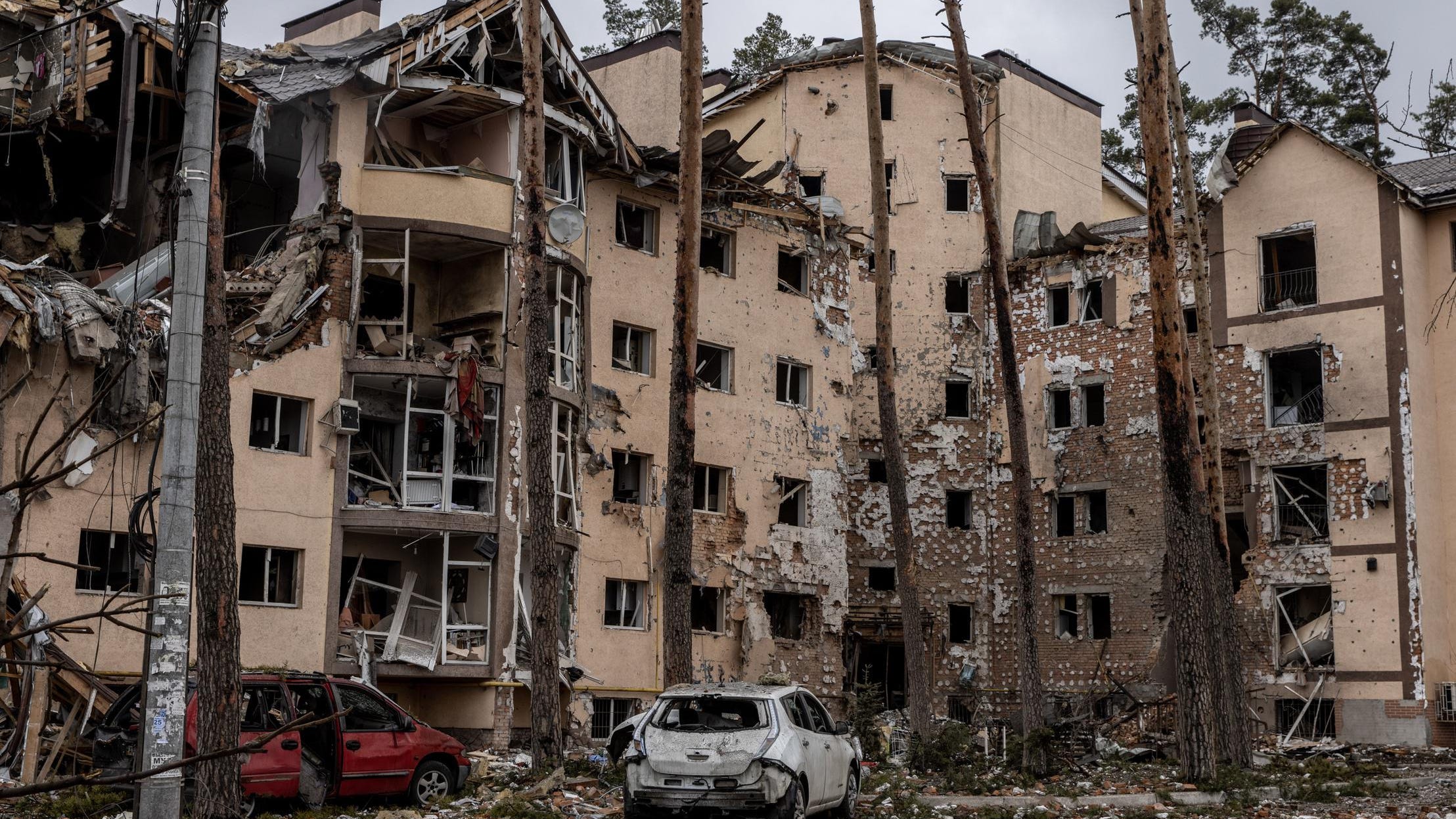
The Middle East has entered another dangerous phase after the United States and Saudi Arabia launched coordinated airstrikes against Iran-backed militia positions in eastern Iraq, marking one of the most significant escalations in the regional proxy conflict in recent months.
According to US Central Command (CENTCOM), the strikes targeted logistics facilities, weapons depots and operational infrastructure allegedly used by militias supported by Iran’s Islamic Revolutionary Guard Corps (IRGC). Washington described the operation as a direct response to a wave of drone attacks targeting American military installations and Saudi energy infrastructure.
Iran has rejected the accusations, insisting that Iraqi militias operate independently and warning that any attempt to hold Tehran responsible represents a “serious miscalculation.” Iranian officials have simultaneously vowed that any further military action against Iranian interests or its regional allies will be met with retaliation.
US and Saudi Arabia Launch Precision Strikes in Eastern Iraq
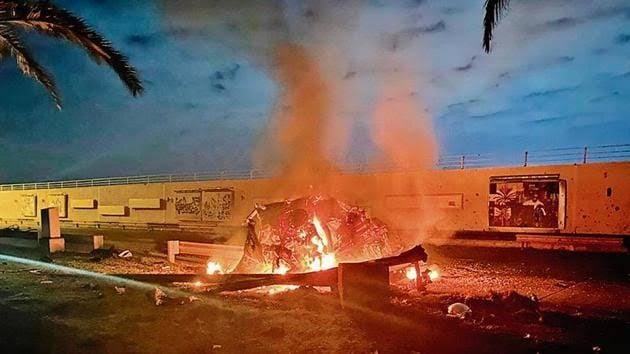
The joint operation focused on militia facilities in eastern Iraq that US officials say were being used to coordinate drone attacks and store weapons.
CENTCOM stated that the strikes were intended to degrade the operational capability of Iran-backed armed groups after a series of drone attacks against US personnel and Saudi oil infrastructure. American officials warned that further attacks would trigger additional military action.
The latest operation also highlights growing security cooperation between Washington and Riyadh as both countries face increasing threats from armed groups aligned with Tehran.
What Triggered the Military Response?
US officials say the decision followed more than 30 drone attacks directed at American positions and Saudi facilities over recent days.
Saudi air defence systems reportedly intercepted several drones approaching strategic energy installations, preventing significant damage but reinforcing concerns over the vulnerability of critical infrastructure.
Washington argues that the frequency and sophistication of the attacks indicate coordination by Iran-backed networks operating across Iraq.
Iran Rejects Allegations and Accuses Washington of Escalation
Iranian authorities have firmly denied directing attacks on US or Saudi targets.
Tehran maintains that Iraqi militia groups make their own operational decisions and accused Washington of using Iran as a pretext for expanding military operations in the region.
Iran also reiterated its long-standing “eye for an eye” deterrence doctrine, warning that any attack on Iranian interests or its allies would receive a proportional response.
Reports of Iranian Retaliatory Action Raise Regional Alarm
Following the airstrikes, regional tensions intensified further.
According to US and international reports, Iranian forces launched ballistic missiles toward a US military installation in Jordan, while additional drone activity was reported involving American assets in Kuwait. Air defence systems were activated to intercept incoming threats.
The exchange underscores how rapidly the confrontation is expanding beyond Iraq into multiple theatres across the Middle East.
Strait of Hormuz Once Again at the Centre of Global Concern
The strategic Strait of Hormuz has emerged as another major flashpoint.
Iran’s Revolutionary Guards have asserted greater control over shipping activity in the waterway and reportedly detained several commercial tankers, arguing they had violated maritime regulations. The United States has rejected any Iranian attempt to control international navigation through the strait.
Roughly one-fifth of the world’s seaborne oil trade passes through the Strait of Hormuz, making any disruption a matter of global economic concern.
Iraq Faces Growing Pressure Amid Proxy Conflict
Baghdad finds itself increasingly caught between competing regional powers.
While Iraqi authorities continue to stress that the country’s territory should not be used to launch attacks against neighbouring states, military operations by foreign forces inside Iraq have also renewed concerns over national sovereignty.
The latest strikes are expected to intensify political pressure on the Iraqi government as it attempts to balance relations with both Washington and Tehran.
Oil Markets React to Rising Geopolitical Risk
Energy markets responded quickly to the renewed military confrontation.
Concerns surrounding shipping security in the Strait of Hormuz and repeated attacks on Gulf energy infrastructure pushed crude oil prices higher, reflecting fears that prolonged instability could disrupt global supplies.
Analysts warn that sustained military escalation could place additional pressure on fuel prices worldwide and increase inflation risks for energy-importing economies.
Regional Impact at a Glance
| Region | Latest Development | Potential Impact |
|---|---|---|
| Eastern Iraq | US–Saudi airstrikes on militia facilities | Militia casualties, renewed sovereignty debate |
| Saudi Arabia | Drone threats against oil infrastructure | Higher security around energy facilities |
| Jordan | Missile activity targeting US positions | Increased military alert |
| Kuwait | Drone-related security incidents | Air defence systems activated |
| Strait of Hormuz | Iranian enforcement measures and tanker disruptions | Risk to global shipping and oil exports |
| Global Energy Markets | Rising geopolitical uncertainty | Higher crude oil prices and market volatility |
Why This Escalation Matters
Military analysts warn that the latest exchange demonstrates how the conflict has evolved beyond isolated incidents into a broader regional confrontation involving multiple actors.
Unlike previous flare-ups confined to Iraq or Syria, the current crisis now stretches across Iraq, Saudi Arabia, Jordan, Kuwait and the Strait of Hormuz, increasing the possibility of wider regional instability.
A prolonged cycle of retaliation could further threaten civilian populations, disrupt international trade routes and deepen humanitarian challenges across the region.
What Comes Next?
Diplomatic efforts are expected to intensify as regional and international stakeholders attempt to prevent further escalation.
However, with Washington insisting it will respond to future attacks, and Tehran maintaining that it will retaliate against any perceived aggression, prospects for immediate de-escalation remain uncertain.
Unless diplomatic channels regain momentum, the Middle East could face an extended period of proxy warfare marked by military exchanges, energy market instability and heightened security risks across the Gulf.