NFHS-6 Reveals a Changing Health Landscape in J&K: Fertility Rises, Family Planning Slips, Obesity Emerges as Major Concern
By: Javid Amin | 30 May 2026
New Survey Paints a Mixed Picture of Health and Demographic Trends
The latest findings from the National Family Health Survey (NFHS-6) have revealed a complex and evolving public health picture in Jammu and Kashmir, highlighting a combination of demographic shifts, reproductive health concerns, and growing lifestyle-related risks.
Among the most striking findings is a rise in the Total Fertility Rate (TFR) in Jammu and Kashmir from 1.4 in NFHS-5 (2019–21) to 1.8 in NFHS-6 (2023–24), indicating a reversal of the sharp fertility decline recorded over the previous decade.
At the same time, concerns are emerging over declining family planning indicators, persistently high caesarean-section deliveries, and rising obesity levels, particularly in urban and semi-urban populations.
Health experts say the findings underscore the need for a more balanced public health strategy — one that simultaneously addresses reproductive healthcare, maternal health ethics, and the growing burden of non-communicable diseases (NCDs).
Fertility Rate Rises After Years of Decline
J&K Records Rebound in Total Fertility Rate
One of the most discussed findings from the J&K profile is the increase in the Total Fertility Rate to 1.8 children per woman.
In NFHS-5, Jammu and Kashmir had recorded one of the lowest fertility rates in India at around 1.4, well below the replacement level of 2.1.
The increase to 1.8 suggests that the steep fertility decline seen in previous years may be stabilising.
While the figure remains below replacement level, demographers say the rise is significant because it interrupts a long-term downward trend that had generated debate about changing family structures, delayed marriages, economic pressures, migration, and declining birth rates in the region.
Why Is Fertility Rising?
Experts point to several possible factors:
- Post-pandemic demographic adjustments
- Earlier delayed pregnancies being realised
- Improved maternal healthcare access
- Shifts in marriage patterns
- Regional social and economic variations
However, health researchers caution that fertility trends should be interpreted carefully, as NFHS data reflects sampled population estimates rather than real-time census counts.
Family Planning Indicators Raise Concerns
Contraceptive Use Reportedly Declines
Despite the rise in fertility, another finding drawing attention is the reported decline in contraceptive prevalence across Jammu and Kashmir.
Health experts say falling use of family planning methods could have long-term implications if access gaps continue widening.
According to the assessment, the unmet need for:
- Birth spacing
- Limiting pregnancies
- Reproductive counselling
has reportedly increased.
This trend contrasts with broader national NFHS-6 findings, where contraceptive prevalence improved at the all-India level.
Why Family Planning Matters
Public health specialists note that family planning is not merely about controlling fertility rates.
Effective reproductive health services help:
- Improve maternal health outcomes
- Reduce unintended pregnancies
- Lower high-risk births
- Improve child nutrition and healthcare planning
A decline in contraceptive uptake could place additional pressure on healthcare systems if fertility continues rising.
High C-Section Deliveries Remain a Major Red Flag
Surgical Births Continue Far Above WHO Recommendations
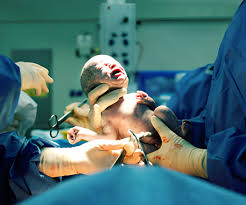
One of the most serious healthcare concerns emerging from NFHS-6 relates to caesarean-section (C-section) deliveries.
Across India, NFHS-6 recorded a significant increase in C-section births, rising from 21.5% to 27.2%.
The World Health Organization (WHO) recommends that population-level C-section rates ideally remain between 10% and 15%, beyond which additional medical benefits become limited.
In Jammu and Kashmir, health observers say surgical delivery rates remain particularly high and continue to generate concern among maternal health experts.
Private Hospitals Under Scrutiny
A recurring concern is the disproportionately high use of C-sections in private healthcare facilities.
National NFHS-6 data showed:
- Private hospitals recorded C-section rates above 54%
- Public facilities remained significantly lower at around 17%
Healthcare advocates argue that excessive reliance on surgical births raises questions about:
- Medical necessity
- Commercial incentives
- Patient counselling practices
- Maternal healthcare ethics
Risks Associated with Unnecessary C-Sections
While caesarean delivery can be life-saving when medically required, experts warn that unnecessary procedures may increase risks such as:
- Post-surgical complications
- Longer recovery periods
- Future pregnancy risks
- Higher healthcare costs
- Increased burden on health infrastructure
Public health researchers say closer monitoring and stronger medical oversight may be required to ensure C-sections are performed only when clinically justified.
Obesity Emerges as a Growing Public Health Challenge
Lifestyle Diseases Becoming More Visible
NFHS-6 also highlights the growing prevalence of overweight and obesity among adults.
The findings reflect a broader national trend where India faces a “double burden” of health challenges — persistent undernutrition alongside rising obesity and lifestyle diseases.
In Jammu and Kashmir, obesity appears increasingly common in:
- Urban populations
- Semi-urban households
- Middle-income groups
- Younger working-age adults
Health experts link the trend to changing lifestyles and dietary habits.
Why Obesity Is Rising in J&K
Several factors are contributing to growing obesity levels:
Sedentary Lifestyle
Increasing dependence on:
- Desk-based work
- Digital entertainment
- Reduced outdoor activity
has lowered physical activity levels.
Processed Food Consumption
Nutritionists point to increased consumption of:
- Fast food
- Sugary beverages
- Packaged snacks
- Processed meals
as major contributors to weight gain.
Urban Lifestyle Changes
Rapid urbanisation has altered traditional dietary and activity patterns, particularly among younger populations.
The Looming Burden of Non-Communicable Diseases
Obesity Linked to Diabetes and Hypertension
Public health experts warn that rising obesity is not merely a cosmetic concern.
It significantly increases the risk of:
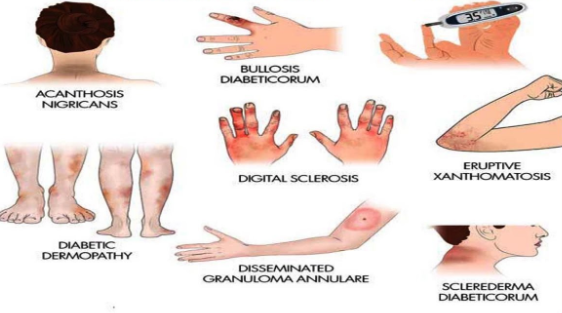
- Type-2 diabetes
- Hypertension
- Heart disease
- Stroke
- Kidney disorders
NFHS-6 nationally has already highlighted growing concerns about lifestyle-related diseases across India.
For Jammu and Kashmir, this could create long-term pressure on healthcare infrastructure and public health spending.
Mixed Progress Across Health Indicators
Despite the concerns, the broader NFHS-6 findings also reflect several positive developments nationally.
The survey recorded improvements in:
- Maternal healthcare coverage
- Institutional deliveries
- Antenatal care
- Vaccination coverage
- Health insurance access
- Women’s financial inclusion
These gains indicate that healthcare access has expanded substantially in recent years.
However, experts say the emerging challenges in Jammu and Kashmir demonstrate that healthcare priorities are shifting.
The focus is no longer only on infectious diseases and maternal-child survival, but increasingly on:
- Reproductive health quality
- Lifestyle diseases
- Ethical medical practices
- Preventive healthcare
Policy Challenges Ahead for J&K
Balancing Population Health and Healthcare Reform
The NFHS-6 findings present policymakers with a complicated health policy landscape.
Key Areas Requiring Attention
1. Strengthening Family Planning Services
Authorities may need to improve access to:
- Contraceptive counselling
- Reproductive healthcare awareness
- Birth-spacing services
2. Monitoring C-Section Practices
Health regulators may face increasing pressure to examine:
- Private hospital delivery trends
- Medical justification standards
- Maternal care protocols
3. Tackling Obesity Through Prevention
Public health experts recommend:
- Community fitness programmes
- Nutrition awareness campaigns
- School-based health education
- Promotion of active lifestyles
4. Expanding NCD Screening
Early detection systems for:
- Diabetes
- Hypertension
- Cardiovascular diseases
could become increasingly important.
A Health System at a Crossroads
The NFHS-6 findings suggest that Jammu and Kashmir is entering a new phase of public health transition.
The rise in fertility rates indicates demographic stabilisation after years of decline. Yet the simultaneous fall in family planning indicators, persistently high C-section rates, and growing obesity levels reveal deeper structural challenges.
The data shows that healthcare progress is no longer measured only by access to hospitals or institutional deliveries. Increasingly, it depends on the quality of reproductive healthcare, ethical medical practices, preventive health strategies, and lifestyle awareness.
For policymakers, the message from NFHS-6 is clear: Jammu and Kashmir’s next public health challenge will not simply be expanding healthcare access — it will be managing the complex social, medical, and lifestyle transformations reshaping the region.
Fact Check & Data Context
- NFHS-6 (2023–24) was released by the Ministry of Health and Family Welfare in May 2026 and covered nearly 6.79 lakh households nationwide.
- NFHS-5 had recorded Jammu and Kashmir’s Total Fertility Rate at 1.4.
- National NFHS-6 data showed rising C-section deliveries and increasing concern over obesity and lifestyle diseases.
- WHO continues to cite 10–15% as the broadly recommended population-level benchmark for C-section rates.