Ladakh Bandh Over Excise Policy, Land Rights and Power Crisis: Growing Political Discontent Explained
By: Javid Amin | 23 June 2026
Ladakh Shutdown: A Warning Signal Over Growing Public Frustration
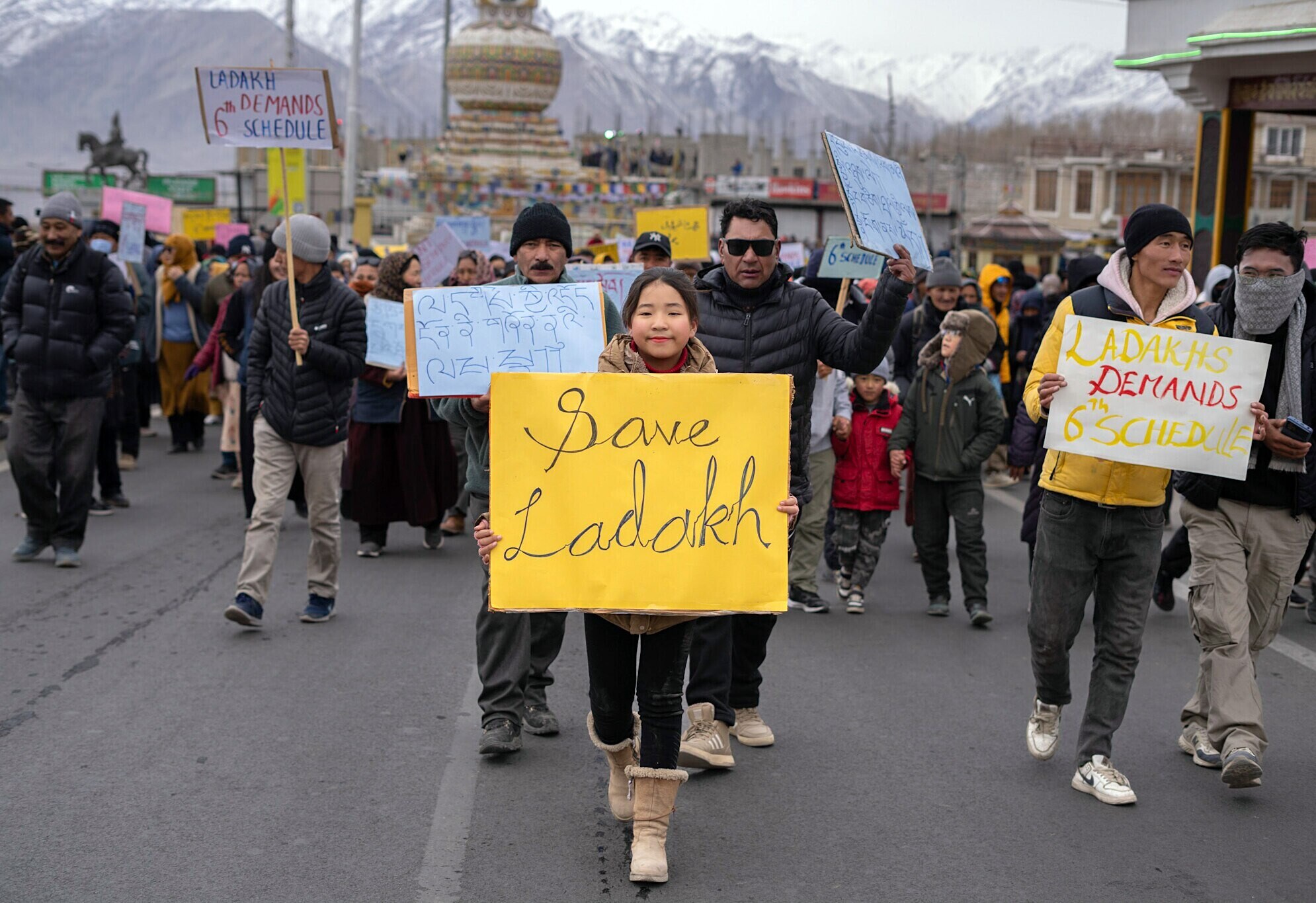
Ladakh witnessed a complete shutdown as public anger intensified over a combination of issues including the new excise policy, concerns over land protection, and continuing problems related to electricity supply.
Markets, businesses and transport services remained closed across major centres including Leh and Kargil, with local organisations describing the bandh as a symbolic protest against what they see as unresolved governance concerns.
The shutdown was not limited to one policy issue. Instead, it reflected a wider debate over Ladakh’s future after it became a Union Territory in 2019.
For many residents, questions around land rights, economic protection, political representation and development have become interconnected.
Why Ladakh Shut Down: Three Major Issues Driving Protest
Excise Policy: Fear Over Local Economy and Traditional Livelihoods
One of the major triggers behind the protest was opposition to the new excise policy.
Local communities have expressed concerns that changes in regulations could impact traditional businesses and create opportunities for larger outside players to dominate the market.
The argument raised by protesters is that Ladakh’s fragile economy requires policies designed around local realities.
Many residents fear that:
- Small local traders may struggle to compete
- Outside companies could gain greater influence
- Traditional economic practices may face pressure
For a region where tourism, small businesses and local entrepreneurship form an important part of the economy, policy changes are viewed with caution.
Land Rights: The Demand for Constitutional Safeguards
Land protection remains one of the most sensitive issues in Ladakh.
After becoming a Union Territory, local groups have repeatedly raised concerns about protecting land ownership rights and demographic balance.
Many organisations, including the Leh Apex Body and Kargil Democratic Alliance, have demanded constitutional safeguards, including protection under the Sixth Schedule.
Supporters argue that such protections would help safeguard:
- Indigenous communities
- Land ownership patterns
- Cultural identity
- Environmental interests
The concern is that without stronger safeguards, outside investment and migration could create long-term social and economic changes.
Sixth Schedule Demand: Why It Matters in Ladakh
The Sixth Schedule of the Indian Constitution provides special protections for certain tribal areas through autonomous councils.
Ladakh groups have argued that similar protections could help preserve the region’s unique cultural and ecological character.
The demand is based on concerns that Ladakh’s:
- Mountain ecosystem
- Limited resources
- Tribal population structure
require special governance mechanisms.
However, the issue remains politically complex, with debates over the exact structure of future protections.
Power Crisis: Electricity Becomes a Daily Struggle
Another major issue behind public frustration is unreliable power supply.
Despite Ladakh’s potential as a renewable energy hub, several remote areas continue to experience electricity problems.
Residents have raised concerns over:
- Frequent outages
- Lack of reliable supply
- Slow integration of renewable energy solutions
For villages located in difficult terrain, electricity shortages affect:
- Daily household life
- Tourism facilities
- Small businesses
- Education and communication services
The contradiction between Ladakh’s huge solar energy potential and local power challenges has become a major public discussion point.
Bandh Impact: Business, Tourism and Daily Life Affected
The shutdown affected normal activity across Ladakh.
Observed impacts included:
- Closed markets
- Suspended transport services
- Disrupted commercial activity
- Public rallies and demonstrations
While the protests remained peaceful, the economic impact was significant.
Ladakh’s economy depends heavily on tourism, and prolonged disruptions could affect local businesses that rely on seasonal visitors.
Political Background: Ladakh’s Unresolved Post-2019 Questions
The latest protests cannot be viewed only as reactions to individual policies.
They are connected to a larger political conversation that began after the 2019 reorganisation of Jammu & Kashmir.
When Ladakh became a separate Union Territory, many residents welcomed greater administrative focus.
However, over time, demands emerged around:
- Statehood
- Constitutional safeguards
- Local decision-making powers
- Protection of land and culture
The current protests reflect these unresolved concerns.
Government Challenge: Balancing Development and Local Identity
The central challenge for policymakers is finding a balance between:
Development Goals
Including:
- Infrastructure growth
- Investment
- Tourism expansion
- Connectivity improvement
and:
Local Concerns
Including:
- Environmental protection
- Land security
- Cultural preservation
- Political representation
For Ladakh residents, development without safeguards is a concern.
For policymakers, the challenge is creating a governance model suitable for a strategically important and environmentally sensitive region.
Risks Ahead: What Continued Anger Could Mean
Economic Impact
Frequent shutdowns can affect:
- Tourism businesses
- Local trade
- Employment opportunities
Political Mobilisation
If concerns remain unresolved, organisations demanding safeguards and greater political powers may intensify their campaigns.
Growing Public Distrust
Repeated protests often indicate a gap between government policies and public expectations.
Without meaningful dialogue, frustration could deepen.
The Bigger Picture: Ladakh’s Search for a New Political Identity
The shutdown shows that Ladakh’s concerns are not limited to one excise policy or one administrative issue.
At the core is a larger question:
How should Ladakh be governed after becoming a Union Territory?
Residents are seeking a model that protects their identity while ensuring development.
The coming months will test whether dialogue and policy adjustments can address these concerns.
Conclusion: Ladakh’s Protest Is About More Than a Bandh
The Ladakh shutdown represents a broader political and social message.
Excise rules, land rights and electricity problems may appear separate, but together they reflect growing concerns about governance, representation and identity.
The demand from Ladakh’s communities is clear: development must move alongside protection of local interests.
How the administration responds will shape Ladakh’s political direction in the years ahead.