Omar Abdullah Unveils Roadmap to Make Jammu & Kashmir a Global Film Destination
By: Javid Amin | 10 May 2026
J&K Film Industry Revival: Omar Abdullah Pushes for Cheaper Shoots, Local Talent & Global Productions
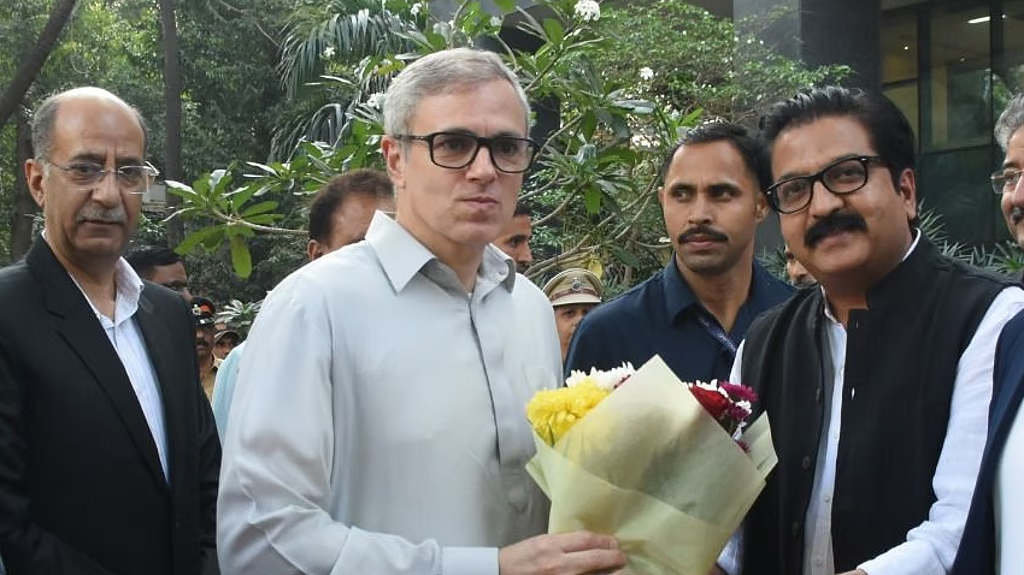
Omar Abdullah has unveiled an ambitious roadmap to position Jammu & Kashmir as one of India’s leading film production destinations, with a strong focus on reducing production costs, training local youth, and attracting both Bollywood and international filmmakers.
The initiative marks a major shift in the Union Territory’s economic and cultural strategy — aiming to transform Jammu & Kashmir from a scenic tourist destination into a full-fledged creative economy and cinematic ecosystem.
At the heart of the vision lies a simple idea: make filmmaking in J&K easier, cheaper, and locally driven.
“We Need to Make It Easier and Cheaper”: Omar Abdullah’s Film Vision
Speaking about the future of filmmaking in Jammu & Kashmir, Omar Abdullah stressed the importance of affordability and skilled local manpower.
“We need to make it easier and cheaper because production costs are extremely high. So one of the things we’re trying to do is to create a pool of talented youngsters who are trained.”
The Chief Minister’s remarks reflect growing recognition that the film industry can become a major engine of employment, tourism, entrepreneurship, and global branding for the region.
Rather than relying solely on breathtaking landscapes to attract filmmakers, the government now wants to build a sustainable production ecosystem powered by local talent and modern infrastructure.
Also Read | Beautiful Tourist Places to Explore in Jammu, Kashmir & Ladakh Complete Travel Guide 2026
Why Jammu & Kashmir Remains a Dream Destination for Filmmakers
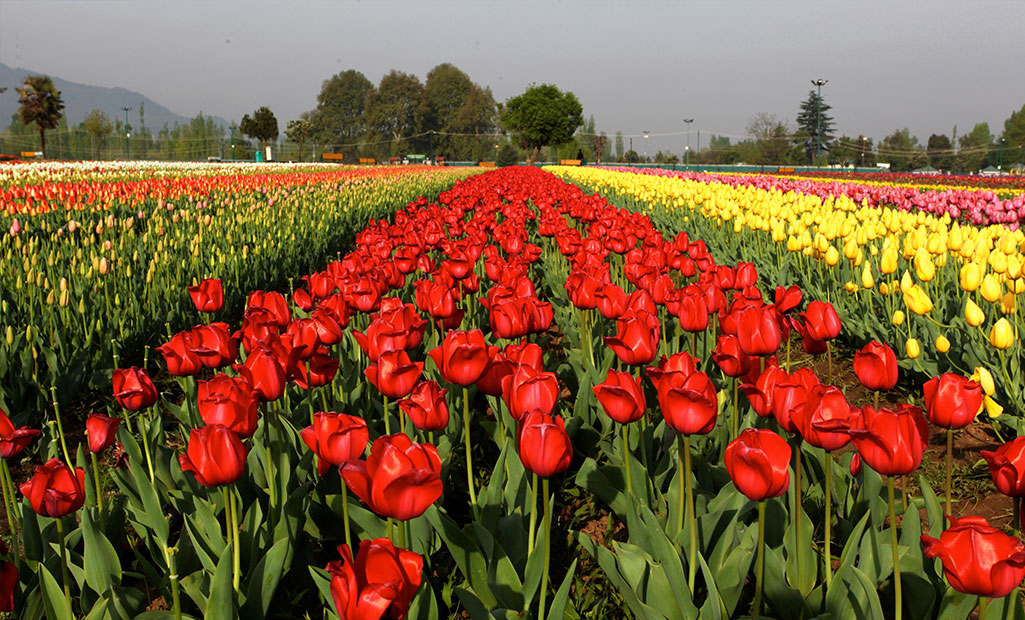
For decades, Kashmir’s valleys, lakes, gardens, and snow-covered mountains served as the backdrop for some of Bollywood’s most iconic films. From romantic classics of the 1960s and 1970s to modern cinematic productions, Kashmir has long been associated with visual grandeur.
Destinations like:
- Srinagar
- Gulmarg
- Pahalgam
- Dal Lake
- Sonamarg
have historically attracted filmmakers looking for natural beauty that rivals international shooting locations.
However, industry experts often cited logistical hurdles, high operational costs, inconsistent permissions, and limited local technical support as barriers to large-scale production.
The new roadmap seeks to address exactly those issues.
Key Pillars of J&K’s Film Development Roadmap
1. Training Local Youth for the Film Industry
A major component of the strategy is skill development.
The government plans to create a trained workforce in:
- Cinematography
- Video editing
- Sound engineering
- Scriptwriting
- Production management
- Camera operations
- Costume and makeup
- Post-production support
Officials believe this will reduce dependency on external crews while generating employment opportunities for Kashmiri youth.
The long-term objective is to establish Jammu & Kashmir not just as a filming location, but as a talent-producing region for India’s entertainment industry.
2. Making Film Production More Affordable
One of the strongest concerns raised by production houses has been the high cost of shooting in remote or mountainous regions.
The Omar Abdullah-led administration is reportedly exploring:
- Subsidized filming packages
- Lower permit fees
- Simplified clearance systems
- Faster single-window permissions
- Reduced logistical costs
- Support for accommodation and transport
The aim is to compete with other emerging film-friendly states in India by offering cost-effective and filmmaker-friendly policies.
3. Building Film Infrastructure in Jammu & Kashmir
The roadmap also emphasizes the need for better production infrastructure.
Possible developments include:
- Film studios
- Equipment rental hubs
- Editing and post-production facilities
- Dedicated shooting zones
- Improved transport coordination
- Production support centers
Industry observers say such infrastructure could significantly increase the number of long-duration projects filmed in the region.
4. Linking Cinema with Tourism Promotion
The government sees cinema as a powerful tourism multiplier.
Films shot in scenic destinations often inspire travelers to visit those locations in real life. Officials believe renewed film activity can boost tourist arrivals across Jammu, Kashmir, and even remote regions of Ladakh.
Locations likely to benefit include:
- Gurez Valley
- Yusmarg
- Doodhpathri
- Aru Valley
- Pangong Lake
Tourism stakeholders say film tourism has the potential to create a ripple effect across hotels, transport operators, restaurants, guides, artisans, and local businesses.
Economic Impact: A New Creative Economy for J&K
The proposed film ecosystem could generate thousands of direct and indirect jobs.
Sectors Expected to Benefit
- Hospitality industry
- Local transport services
- Event management
- Catering businesses
- Handicrafts and local markets
- Adventure tourism
- Photography and media services
Film productions often involve large crews, long stays, and heavy logistical spending — creating economic opportunities far beyond the entertainment industry itself.
Experts believe that if implemented effectively, the initiative could diversify Jammu & Kashmir’s economy beyond traditional tourism and agriculture.
Also Read | Premium Kashmir Domains for Sale (15+ Years Old): Turn Ideas into Powerful Digital Brands with Instant Trust
Reviving Kashmir’s Historic Connection with Bollywood
Kashmir once held a near-mythical place in Indian cinema.
Classic films frequently used the Valley’s gardens, lakes, and snowfields as romantic settings. However, changing political and security conditions over the years reduced film activity in the region.
Recent improvements in tourism infrastructure and administrative support have already encouraged a gradual return of film shoots.
The latest roadmap signals a stronger institutional push to reclaim Kashmir’s historical status as one of Asia’s most visually stunning filming destinations.
International Filmmakers Also on the Radar
Officials are not limiting the vision to Bollywood alone.
The government hopes to attract:
- OTT productions
- Web series
- Documentary filmmakers
- International cinema projects
- Adventure and travel productions
With global demand rising for visually unique destinations, Kashmir and Ladakh offer cinematic landscapes that few regions can match.
The combination of alpine valleys, Mughal gardens, glaciers, deserts, monasteries, lakes, and Himalayan passes provides extraordinary visual diversity within a relatively compact geography.
Challenges That Still Need Attention
Despite the optimism, several challenges remain.
Key Concerns
- Weather-related disruptions
- Connectivity limitations in remote areas
- Seasonal accessibility
- Need for skilled technical institutions
- Reliable internet and power infrastructure
- Faster inter-department coordination
Industry professionals say consistency in policy execution will be crucial to sustaining filmmaker confidence.
Also Read | Kashmir Summer Travel Guide 2026: Smart, Scenic & Affordable Escapes with JKL Travels
A Strategic Shift Beyond Traditional Tourism
The Omar Abdullah government’s approach reflects a broader understanding of how creative industries can shape regional economies.
Instead of viewing cinema only as entertainment, the administration is positioning filmmaking as:
- An employment generator
- A branding tool
- A tourism accelerator
- A youth engagement platform
- A cultural storytelling medium
This signals a transition toward a modern creative economy model where local talent, digital media, tourism, and entrepreneurship intersect.
Final Analysis
Omar Abdullah’s film roadmap represents more than a tourism announcement — it is an attempt to reimagine Jammu & Kashmir as a global creative destination.
If the government successfully combines policy incentives, infrastructure upgrades, youth training, and streamlined permissions, the region could emerge as one of South Asia’s most attractive filming ecosystems.
With its unmatched natural beauty and growing focus on local empowerment, Jammu & Kashmir may once again become a cinematic paradise — this time backed not only by landscapes, but by a sustainable creative industry built from within.