Kashmir Freezes Further as Shopian Records -3.9°C; Frost Raises Concerns for Orchards, Water Lines
By: Javid Amin | November 23, 2026
Kashmir’s winter chill is intensifying, with temperatures dipping below the freezing point across several parts of the Valley and Shopian emerging as the coldest recorded location at minus 3.9°C, signalling an increasingly harsh start to the winter season.
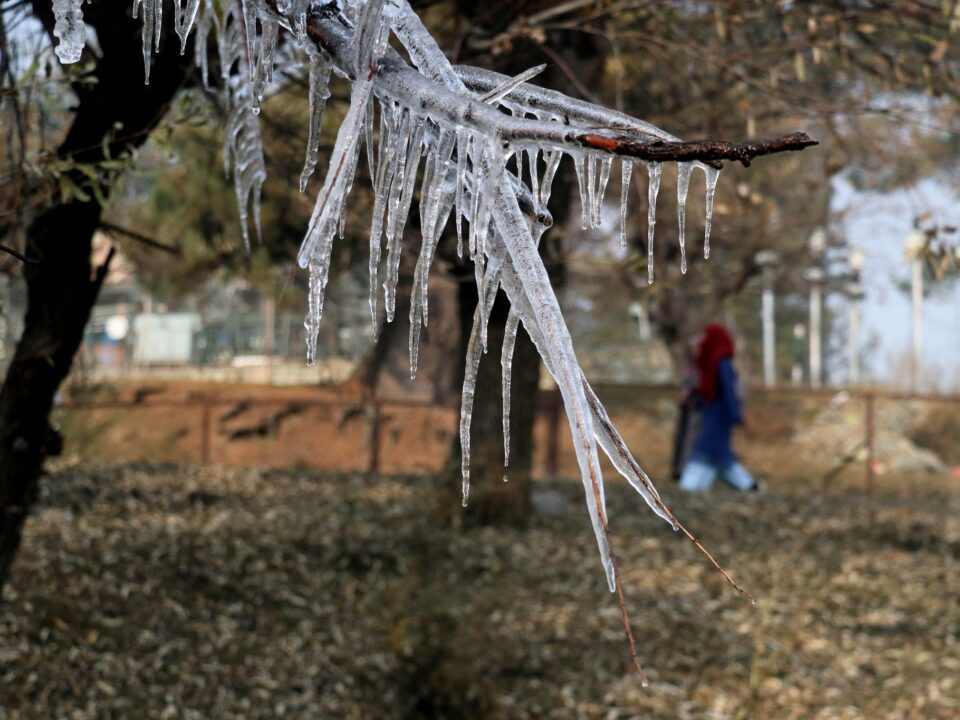
The temperature drop has brought frost-covered fields, frozen patches of water and bitterly cold mornings to several areas, as residents begin adjusting to the growing demands of winter. While the cold is a familiar feature of Kashmir’s seasonal cycle, early sub-zero temperatures are once again raising concerns among farmers, orchardists, people living in poorly insulated homes and households dependent on exposed water supply infrastructure.
With Chillai-Kalan, Kashmir’s 40-day period of intense winter cold, still ahead, the latest temperature readings offer a reminder that the Valley’s winter transition is already well underway.
The cold is not just being felt outdoors. It is beginning to affect daily routines, agricultural concerns, water access and household heating needs across the region.
Kashmir’s coldest locations: Shopian, Pahalgam and Gulmarg among the freezing zones
According to the Meteorological Department figures reported on November 23, the overnight temperatures included:
| Location | Minimum temperature |
|---|---|
| Shopian | -3.9°C |
| Pahalgam | -3.8°C |
| Pulwama | -2.7°C |
| Qazigund | -1.6°C |
| Konibal, Pampore | -1.6°C |
| Gulmarg | -2.0°C |
| Srinagar Airport | -1.6°C |
| Kupwara | -1.4°C |
| Awantipora | -1.8°C |
| Budgam | -1.8°C |
| Anantnag | -1.8°C |
| Srinagar City | -0.4°C |
| Ganderbal | -0.7°C |
| Bandipora | -0.3°C |
| Baramulla | 0.2°C |
| Kokernag | 1.5°C |
Temperature readings reported for the overnight period cited in November 23 weather reports. Station temperatures can differ from nearby localities depending on altitude, terrain and exposure.
Shopian’s minus 3.9°C reading placed it at the bottom of the Valley’s temperature chart, while Pahalgam followed closely at minus 3.8°C. Srinagar also experienced a sub-zero night, with its minimum dipping to minus 0.4°C, reportedly the season’s lowest so far.
The figures underline how quickly the winter chill is spreading across Kashmir’s plains, orchard belts and tourist destinations.
Why clear skies are making Kashmir colder at night
This process is known as radiational cooling.
During the day, the ground absorbs energy from sunlight. After sunset, it releases that stored heat back into the atmosphere. When skies are clear and cloud cover is limited, heat escapes more efficiently, allowing surface temperatures to fall sharply overnight.
Clouds, by contrast, act like a partial blanket by absorbing and re-emitting some of the outgoing heat, which can keep nighttime temperatures relatively higher.
Dry weather and calm or light winds can further favour sharp temperature drops in certain locations. Valleys and low-lying areas may also experience cold-air pooling, where denser cold air settles near the ground.
This helps explain why Shopian, Pulwama and other inland locations can record colder minimums than places that might appear equally or more exposed to winter conditions.
The pattern is consistent with the current forecast of dry weather and falling nighttime temperatures across Jammu and Kashmir. Reports quoting the Meteorological Centre Srinagar indicate generally dry conditions through the end of November, with a further decline in minimum temperatures expected in parts of the Valley.
Frost returns to fields and orchards, but the agricultural impact will depend on duration
The first sustained sub-zero nights of the season are particularly important for Kashmir’s agricultural economy.
Frost forms when surfaces cool sufficiently for water vapour to deposit as ice, or when moisture freezes on exposed surfaces. Grass, leaves, rooftops, vehicle windscreens and irrigation infrastructure can become coated in a thin layer of ice during the coldest hours.
For orchardists and farmers, however, the temperature recorded by a weather station is only part of the story.
The actual impact of frost depends on several factors:
-
The temperature at the crop or plant surface, which may differ from the standard air temperature measurement.
-
How long temperatures remain below freezing.
-
The crop species and its growth stage.
-
Soil moisture, wind conditions and local topography.
-
Whether the frost is light, moderate or severe.
A brief dip below zero does not automatically mean widespread crop damage. Many apple orchards are entering or already in their dormant period, when trees are generally more tolerant of cold than during flowering, fruit development or active growth. Nonetheless, young plants, exposed nursery stock, late-season vegetation and vulnerable water systems can be affected.
The greatest concern is often for those whose work continues outdoors through the coldest hours, including farmers, orchard workers, livestock handlers and people who lack protected storage or insulated facilities.
For agricultural communities, an early cold spell is also a reminder to complete winter preparation, protect vulnerable plants where practical and ensure that irrigation and other exposed systems are secured against freezing.
Water supply lines and daily life face the winter test
As night temperatures fall below freezing, exposed water pipes, taps, storage tanks and poorly insulated plumbing become increasingly vulnerable.
Water can freeze inside pipes when temperatures remain sufficiently low, particularly where plumbing is exposed to open air, strong winds or inadequate insulation. As ice forms and expands, it can restrict flow and, in some circumstances, damage pipes, resulting in leaks when temperatures rise.
In villages, peripheral areas and higher elevations, where water infrastructure may be exposed to the elements, winter maintenance becomes a recurring challenge.
Residents typically begin taking preventive measures, such as insulating vulnerable pipes, covering water tanks, disconnecting hoses and checking exposed fittings. Households dependent on outdoor plumbing may face additional difficulties when temperatures remain below freezing for extended periods.
The cold also changes daily life. People delay morning activities, outdoor workers face uncomfortable conditions, elderly residents may find it harder to keep homes warm, and families begin relying more heavily on heating appliances.
These pressures are especially significant for households with limited insulation or access to safe heating.
Cold weather brings health risks beyond discomfort
A drop in temperature can be more than a seasonal inconvenience. Prolonged exposure to cold can increase the risk of hypothermia, while cold indoor environments may aggravate respiratory and cardiovascular problems, particularly among older adults and people with existing health vulnerabilities.
Children, elderly residents, outdoor workers and people living in poorly insulated homes require greater attention during extended cold spells.
Winter heating also carries its own risks. Improperly ventilated combustion heaters, charcoal-burning devices and unsafe heating arrangements can cause carbon monoxide poisoning, which can be fatal.
Residents should:
-
Keep heating equipment in safe condition and follow manufacturer instructions.
-
Avoid using charcoal or fuel-burning devices in enclosed rooms without proper ventilation.
-
Wear multiple layers of clothing and keep extremities covered outdoors.
-
Check on elderly neighbours and people living alone during severe cold.
-
Avoid prolonged exposure to freezing temperatures, particularly during early morning hours.
The need for heating is rising, but safe heating is just as important as warmth.
Is this officially a cold wave?
The phrase “cold wave” is widely used in everyday reporting whenever temperatures fall sharply. However, in meteorological terminology, a cold wave is classified using defined criteria, including the minimum temperature and its departure from the climatological normal, with separate thresholds for different regions and station types.
A sub-zero reading alone does not necessarily mean an official cold-wave warning has been issued.
The latest reports confirm a sharp drop in temperatures and widespread freezing conditions, but the weather information cited does not establish a formal cold-wave alert for Kashmir. Indeed, the broader IMD forecast discussed in its recent extended outlook indicated no probability of a cold wave across the country during the forecast period, despite expectations of declining nighttime temperatures.
India Meteorological Department+1
The distinction is important for readers. Kashmir can experience severe frost and uncomfortable sub-zero nights without the conditions necessarily meeting the official criteria for a cold-wave declaration.
Dry weather may keep nights colder as Kashmir approaches Chillai-Kalan
The immediate weather outlook offers little indication of widespread precipitation, with the Meteorological Centre Srinagar forecasting generally dry conditions through November 30. A dry spell, particularly when accompanied by clear skies, can allow nighttime temperatures to fall further even if daytime sunshine provides some relief.
Kashmir’s traditional winter calendar is divided into three phases:
Chillai-Kalan
December 21 – January 29
The 40-day harshest phase of winter, traditionally associated with intense cold and a greater likelihood of snowfall.
Chillai-Khurd
January 30 – February 19
The 20-day lesser cold period, as winter gradually begins to ease.
Chillai-Bachha
February 20 – March 2
The final 10-day phase, marking the gradual transition towards spring.
Although Chillai-Kalan is still weeks away, the current temperature pattern signals the gradual transition into Kashmir’s deeper winter. Residents are likely to face colder mornings, frost, frozen surfaces and increasing heating requirements before the traditional coldest period begins.
The dry forecast also means that colder nights may not necessarily be accompanied by fresh snowfall. Winter conditions can vary significantly depending on the arrival of Western Disturbances, which bring precipitation to the western Himalayas.
The absence of frequent snowfall during a dry spell can leave the Valley colder overnight, while snowfall during an active weather system may temporarily alter temperatures and conditions.
Winter is arriving, but the bigger concern is preparedness
Kashmir’s latest temperature decline is a familiar seasonal event, but its consequences are felt differently across the region.
For Shopian’s orchard communities, the concern is protecting crops and preparing exposed infrastructure. For Srinagar residents, it means colder mornings, increased heating use and the return of frost. For people in remote and higher-altitude areas, it may mean more difficult access, frozen water supplies and greater exposure to the elements.
With the Valley heading towards Chillai-Kalan, the coming weeks will test winter preparedness across households, public infrastructure and essential services.
The message from the latest readings is clear: Kashmir’s winter has begun tightening its grip. The question now is how effectively residents, farmers and authorities prepare for the colder weeks ahead.